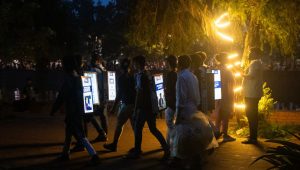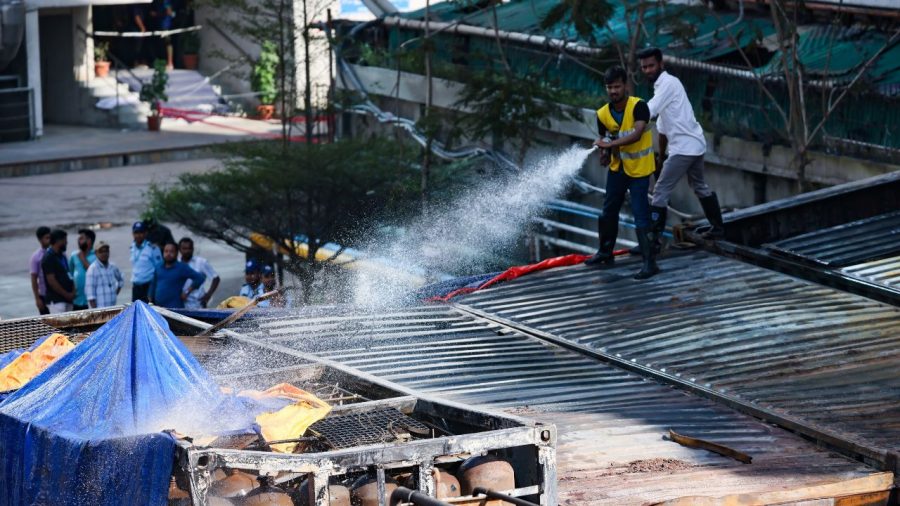

On a quiet Sunday evening in Jamgora, Ashulia, the routine evening shift inside S Suhi Industrial Park was shattered by an inferno of flying metal and fire.
Around 6:45pm on 20 September 2026, an explosion ripped through a covered van parked in the open yard of the Pretty Group factory compound.
Within seconds, a chain reaction of exploding high-pressure gas cylinders turned the industrial yard into a raging battlefield, leaving at least eight people dead and over two dozen severely injured.
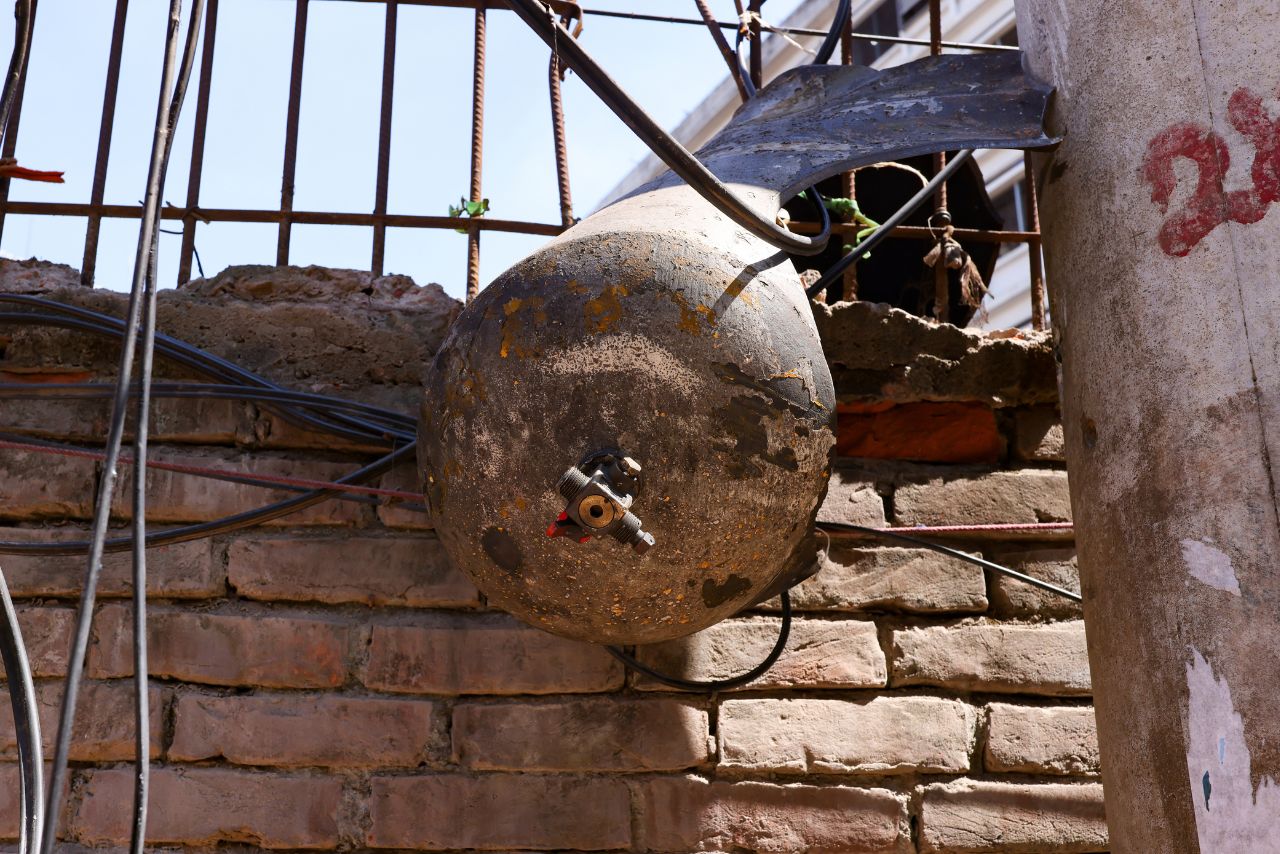
The physical force of the blast was staggering. Shrapnel and dislodged steel cylinders hurtled through the air, crashing into nearby residential structures and shattering windowpanes at adjacent facilities, including FNF Trend Fashion Limited, nearly 50 metres away.

Outside the compound gate, a female passerby died on the spot after being struck by a flying cylinder.
Inside the manufacturing complex, smoke billowed through stairwells as panic gripped thousands of workers.
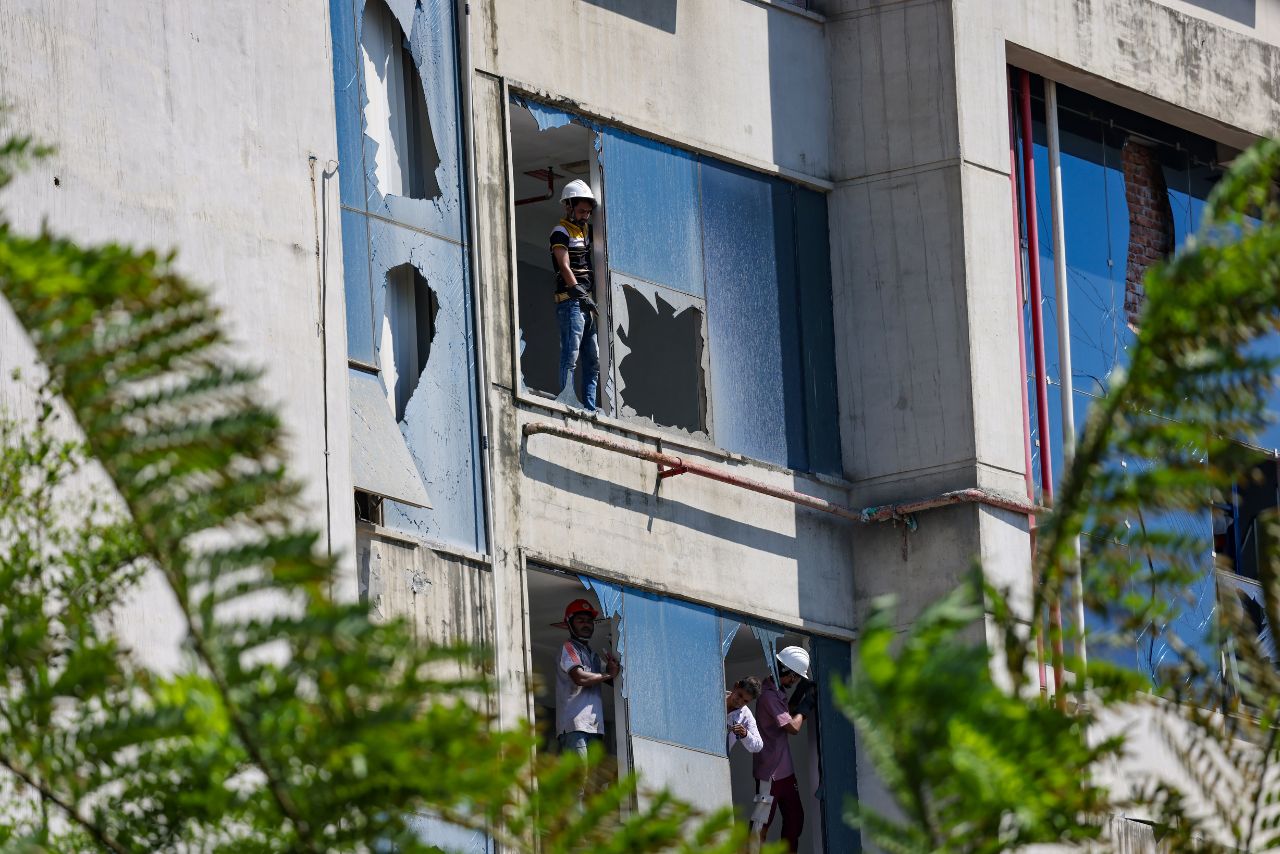
On the ninth floor, garment workers who spotted the flames outside rushed down, only to find exit gates locked.




Desperate to escape, many jumped from elevated heights into adjacent courtyards, suffering broken limbs and severe impact injuries in the chaotic scramble.
When four units from the DEPZ and Zirabo fire stations brought the blaze under control around 8pm, firefighters encountered a horrific scene.
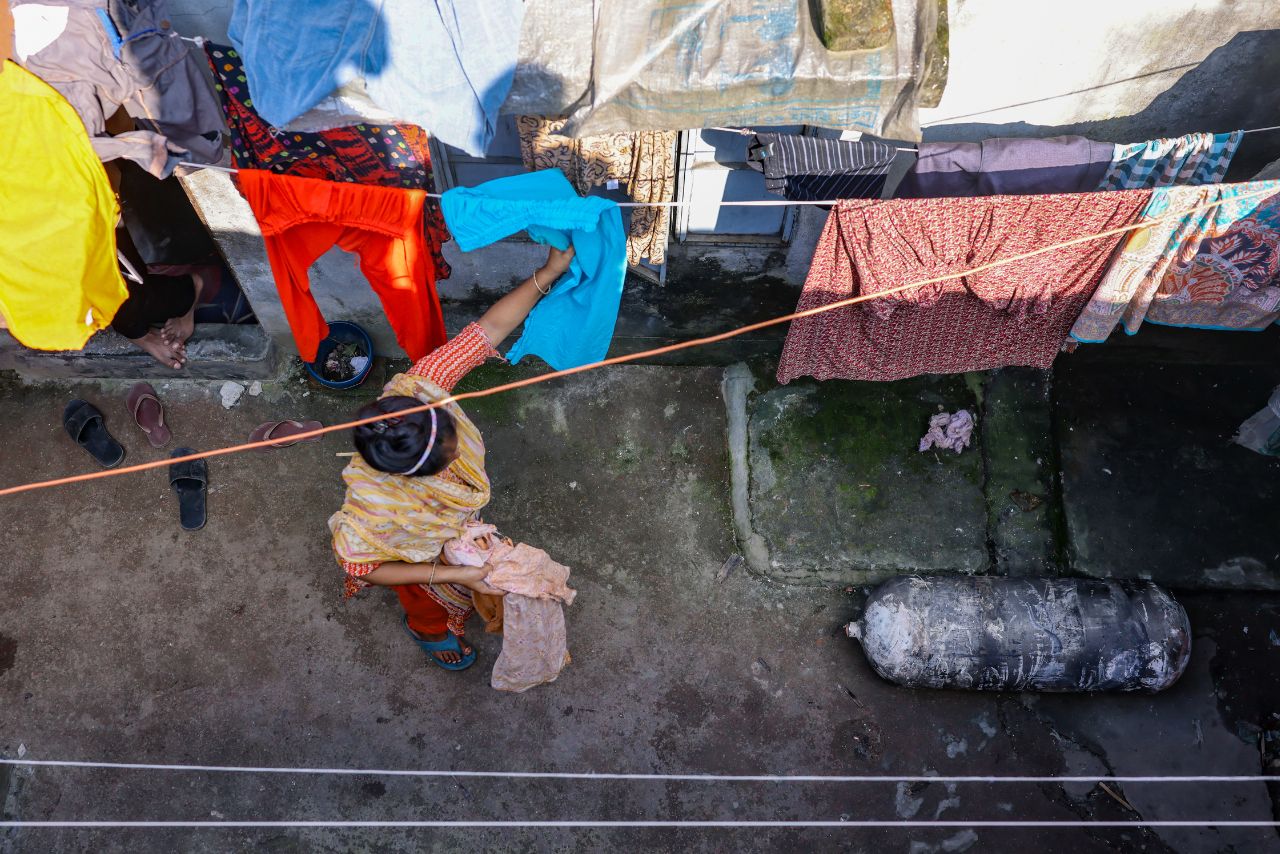
Five charred bodies were recovered from inside the twisted carcass of the primary covered van.
At Ashulia Women and Children Hospital, 25 injured victims arrived in waves, including street vendors and transport workers.
Yet, beyond the human toll lies a damning revelation regarding industrial compliance.
Pretty Composite Textile Ltd boasts a prestigious LEED Platinum green certification from the US Green Building Council.
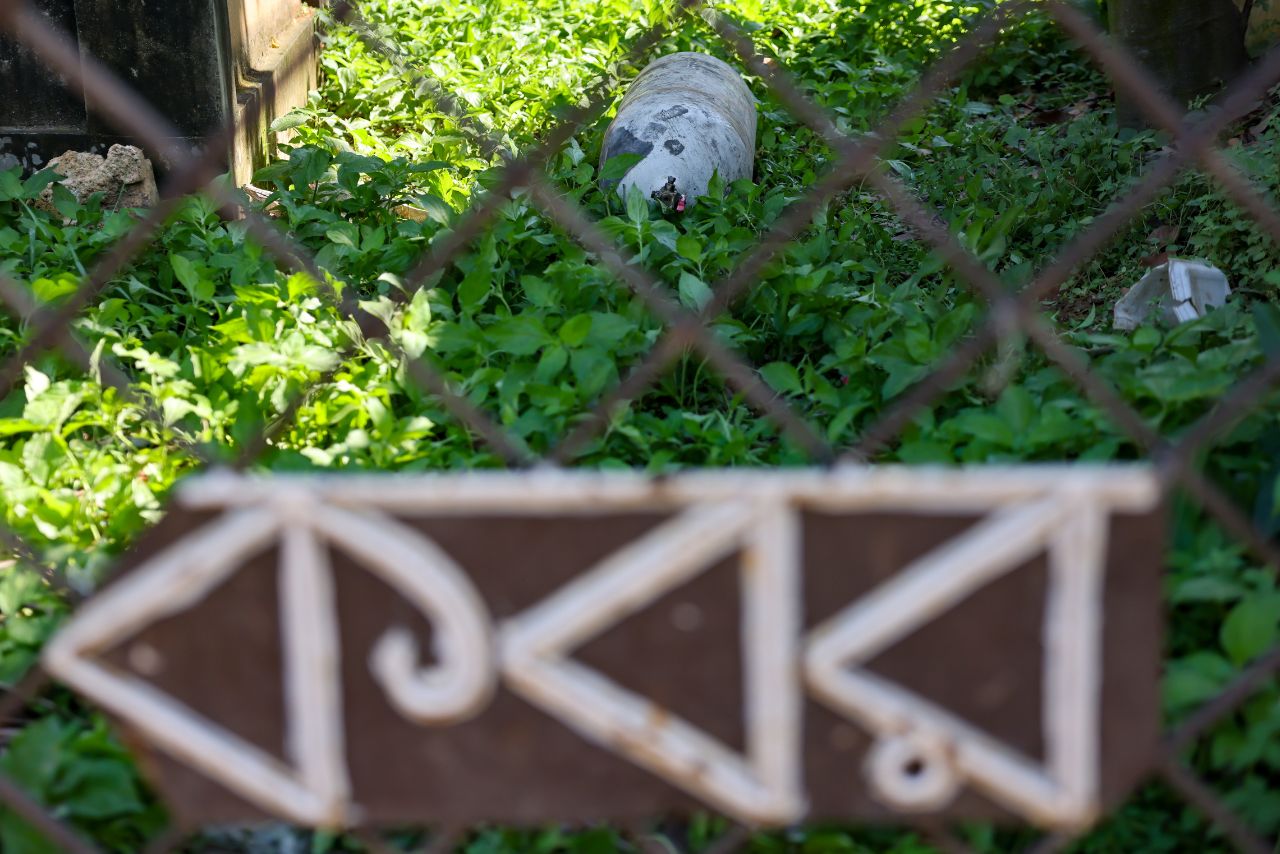
However, inspections by the Fire Service revealed that the facility operated a completely illegal and highly dangerous gas supply system, with reporters at the scene stating that most of the gas cylinders had expiration dates long overdue.
The Ashulia disaster exposes the stark reality of Bangladesh’s RMG sector: while green certificates hang on office walls, unsafe energy workarounds continue in factory yards, leaving vulnerable workers to pay the ultimate price.