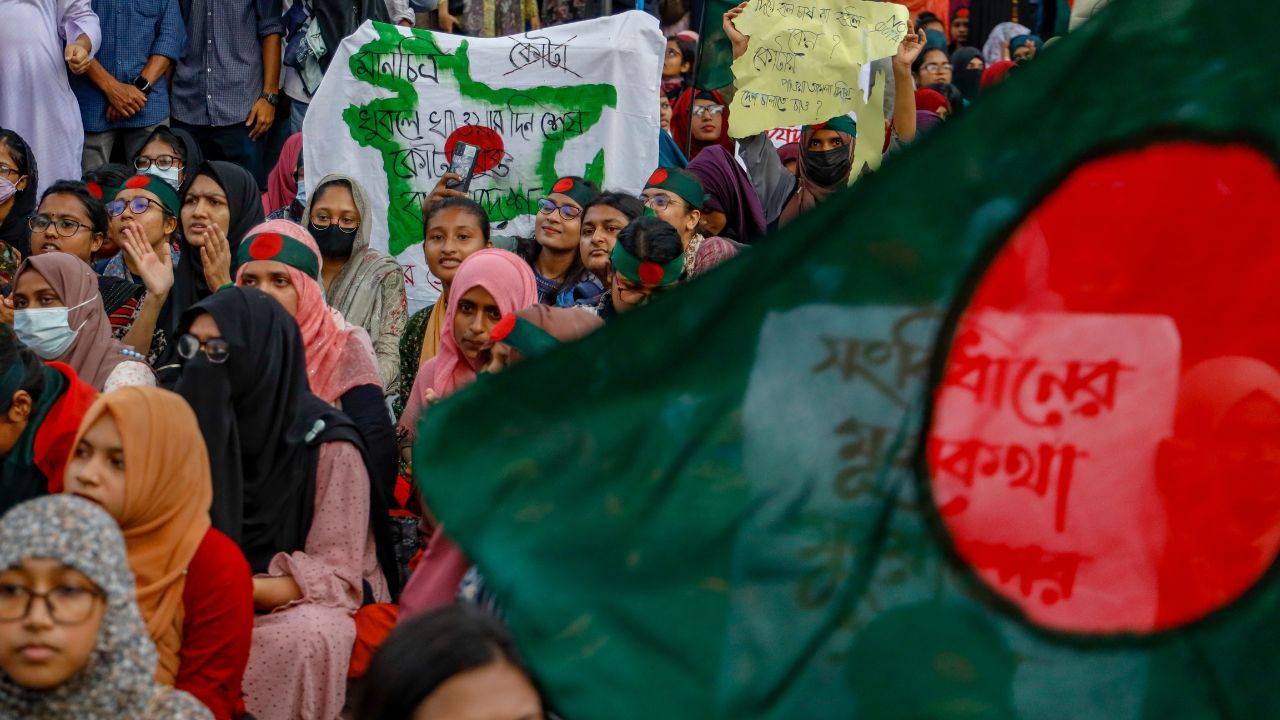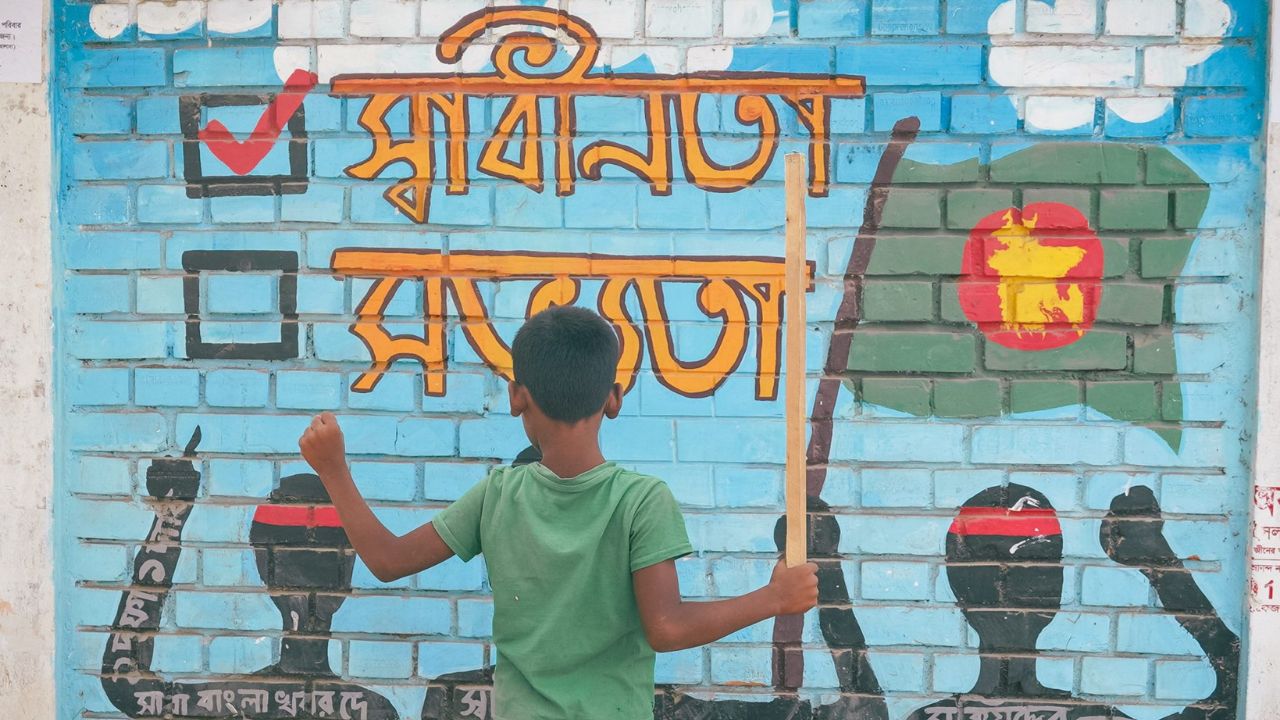



The implementation of the July National Charter, drafted during the interim government’s tenure to reflect the aspirations of the 2024 mass uprising, has emerged as a major source of political tension between BNP and Jamaat-e-Islami.
BNP has rejected the outcome of the referendum on the charter and shown little interest in forming a Constitutional Reform Council despite opposition demands, fuelling debate over how far the ruling party is prepared to go in implementing the document.
Questions are mounting over which provisions BNP will ultimately implement, how it intends to do so and what final position the party will adopt.
The party’s top leadership, however, has repeatedly maintained that BNP remains committed to the July Charter, adopted through national consensus, and will not retreat from the promises it made to the people.
Following lengthy discussions under the National Consensus Commission, the charter was signed on 17 October 2025. BNP Secretary General Mirza Fakhrul Islam Alamgir and Standing Committee member Salahuddin Ahmed represented the party at the signing ceremony.

Representatives of 25 political parties signed the charter, although BNP had already raised objections to several of its provisions. More than 60 per cent of votes cast in the referendum on 12 February this year, held alongside the general election, were in favour of the charter.
Senior BNP leaders spoke little about the referendum during the election campaign. Party Chairman Tarique Rahman urged voters to back the “Yes” vote at only one campaign event, while videos later showed grassroots leaders and activists campaigning for a “No” vote.
After the election, Salahuddin Ahmed, who became home minister, told parliament, “We were concerned that they might use the excuse of reforms to prevent the election from taking place. That is why we compromised on everything and even signed the July National Charter.”
BNP, however, has never formally said that it rejects the charter.




Prime Minister Tarique Rahman has repeatedly said that the charter’s core principles are democracy, accountability, the rule of law and the independence of state institutions. He has also said that the government will implement those goals gradually while giving the highest priority to national consensus.
Mirza Fakhrul Islam Alamgir told TIMES of Bangladesh, “Issues on which there was no prior political consensus or sufficient discussion will go through the necessary discussions and constitutional process.”
Several of BNP’s election pledges on constitutional reform—including the creation of an upper house of parliament, the appointment of a deputy speaker from the opposition and the restoration of the caretaker government system—are also included in the July Charter.
BNP has already formed a 12-member parliamentary committee to pursue state reforms and constitutional amendments based on the charter.
Jamaat-e-Islami and its ally, the National Citizen Party (NCP), have not joined the committee, raising questions over whether constitutional amendments could ultimately proceed without their participation.
“If the opposition cooperates, reforms will be completed more quickly because the July Charter can only be implemented in parliament through discussion,” Mirza Fakhrul said.
Salahuddin Ahmed has also repeatedly described the charter as historically and politically significant, saying that it will be implemented in line with the Constitution, the law and the realities of the state.
Party leaders said policy-level discussions on implementation were continuing, particularly over provisions requiring constitutional amendments, legislation or administrative reforms. Expert opinions and legal reviews are also being sought before any measures are taken.
Political analysts said some provisions could face constitutional and administrative complications and might require parliamentary debate, all-party consensus or consultation with relevant constitutional bodies.
They said the pace and method of implementation would therefore depend largely on political compromise and legal procedures.
Party leaders insist that BNP remains committed to implementing provisions on which national consensus was reached. Analysts, however, say the government should state its position clearly on every provision and publish an implementation roadmap to prevent public confusion and renewed political controversy.
BNP Standing Committee member Khandaker Mosharraf Hossain told TIMES, “Alongside constitutional amendments, the government will also implement the July Charter. Opposition parties have been asked to nominate representatives for discussions on constitutional amendments. But instead of joining those discussions, the opposition wants to launch a movement against the government.”