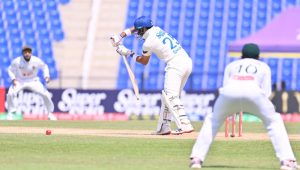



Nathan Smith expects a similar pitch in the second ODI at the Sher-e-Bangla National Cricket Stadium after New Zealand’s win over Bangladesh national cricket team in the first match.
The opening game was played on a slow wicket. The ball did not come on well. There was uneven bounce at times. Even then, New Zealand handled the conditions better and won by 26 runs.
Now the focus is on the second ODI. Many are talking about how the pitch will play. Smith said he expects it to be close to the first game.

Smith said, “It looks like a second wicket has been prepared. I think it will be quite similar to the first match. We will see. I saw the pitch today and there was a bit of grass as well. I expect it to be close to that.”
He added, “It will probably be a similar kind of pitch. I know Bangladesh are trying to prepare a better surface. They have many quality pace bowlers. They will want to use them. We expected uneven bounce and prepared for it. The way we batted in the nets, we did the same in the match. Overall, we prepared well.”




Smith also spoke about how New Zealand read the pitch during the first ODI. He said the players shared ideas from the middle. That helped the team adjust fast.
“Yeah, it all comes from the sort of the communication from the batters in the first innings. We were getting relayed back the comms around the wicket. And we could see from side on as well. I think Shoriful’s first ball went low and nearly bowled Nick Kelly, so we could see the lengths that Shoriful bowled were the lengths that we were trying to hit and we just tried to do that for as long as possible. Keep the stumps in play.”
He said the bowlers also used that information well.
“And yeah, there was a little bit of variable bounce throughout and then as you saw later on with Tickner bowling a few more slow balls that sort of died in the wicket. So it was just about relaying the comms to the bowlers and we managed to keep the stumps in play for long periods of time and had some success.”
New Zealand stayed simple in their plan. They kept the ball on the right length and used the pitch well. That helped them control the match. The same approach may be key again in the second ODI.