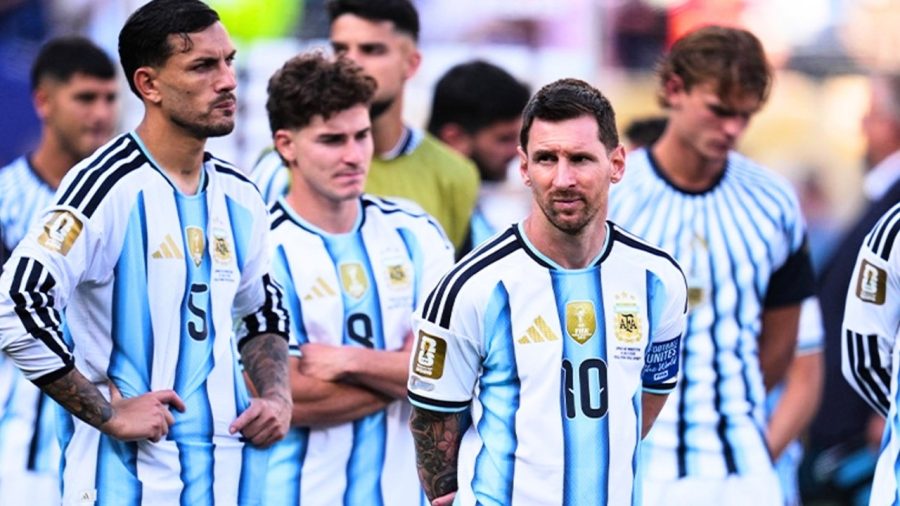



Argentina received more online abuse than any other national team during the 2026 FIFA World Cup, according to a new report released by FIFA.
The report examined millions of social media posts during the tournament and found that Argentina faced the highest number of hateful messages among all participating teams.
According to TyC Sports, the abuse against Argentina increased as the competition went on, with many comments targeting head coach Lionel Scaloni over claims that his team received favourable refereeing decisions.

FIFA released the findings ahead of World Mental Health Day. Its Social Media Protection Service (SMPS) studied online activity between June 9 and July 20, 2026.
The study covered more than 17.1 million posts and comments across X, Instagram, Facebook and TikTok. England received the second highest number of abusive messages, followed by Spain, Brazil and Norway.




Although Argentina topped the list for abuse directed at national teams, its players ranked fourth among those who faced individual attacks. Players from France, England and Portugal received more personal abuse than Argentine footballers.
Racism played a major role in these attacks. Several players of African descent faced hateful comments throughout the tournament. FIFA did not reveal the identity of the player who suffered the most abuse. However, the report confirmed that the player faced racist, homophobic, sexist and anti transgender comments.
The study also found widespread abuse linked to nationality and immigration. South Africa, Argentina and England were among the main targets of such messages. Argentina also appeared on the other side of the findings. The report identified Argentine supporters as the largest source of racist messages during the tournament.
European users accounted for the highest share of abusive posts overall, while South America ranked second. Referees also faced serious online threats during the World Cup.
Many match officials became victims of doxxing, a practice in which people share someone’s private information online to encourage harassment. Some users accused referees of corruption and match fixing after controversial decisions. Others went further by exposing their personal details.
The findings showed that online abuse affected not only players and coaches but also match officials throughout football’s biggest tournament.