In a country blessed with some of the most fertile soil on the planet, Bangladesh’s growing dependence on imported fruits raises an uncomfortable question. Why are foreign apples and grapes dominating our markets while local orchards struggle to thrive?
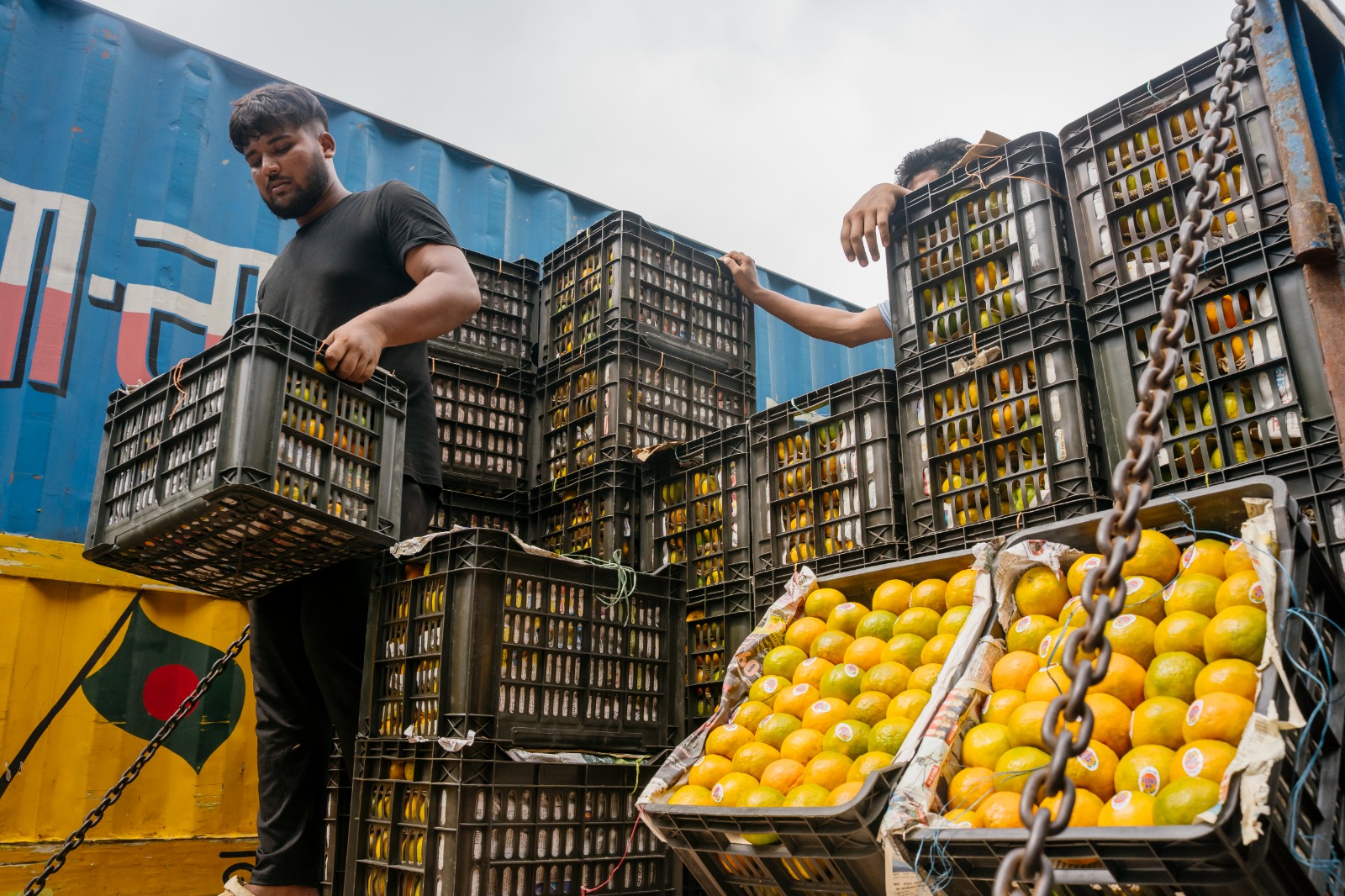
The paradox becomes clear every morning at Badamtoli Fruit Market, the country’s largest wholesale hub for fruits. Long before sunrise, the riverside market bursts into life. Trucks rumble in carrying crates from seaports, border crossings and orchards across the country.
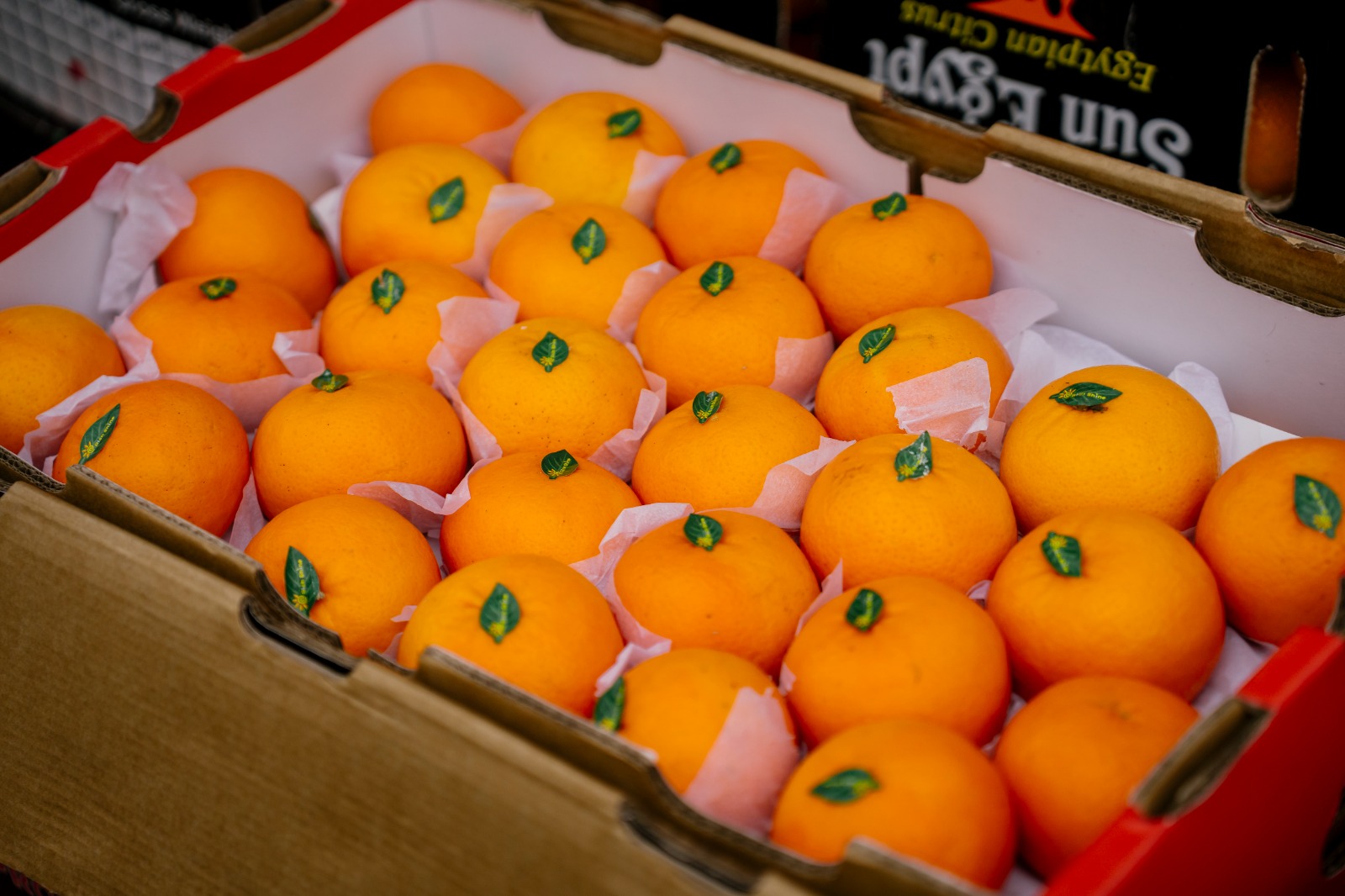
Labourers unload stacks of shiny apples from China, oranges from South Africa and grapes from India or Turkey. Beside them lie piles of local watermelons, pineapples and bananas.

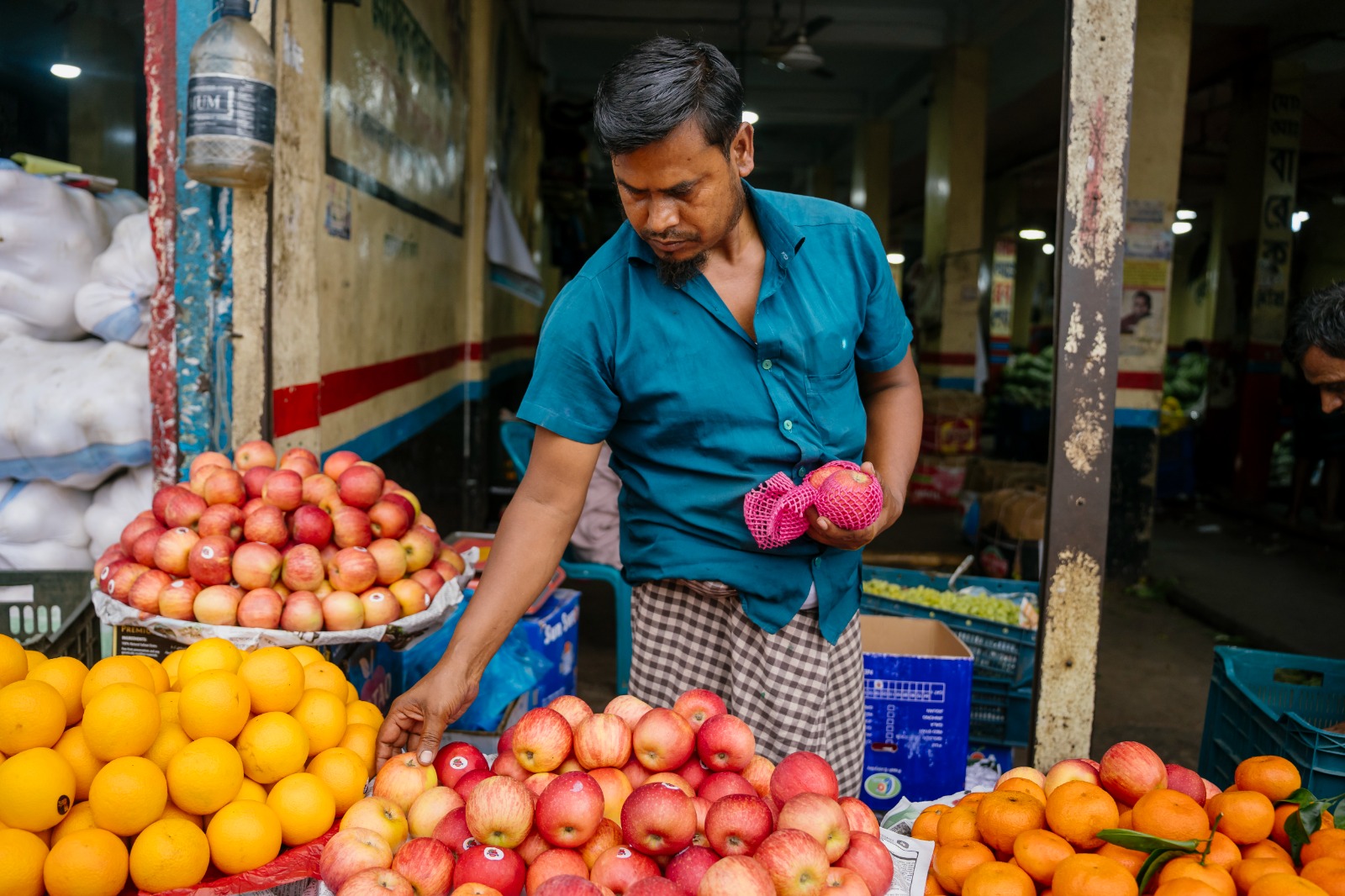
Yet the contrast is striking. Imported fruits often occupy the most visible spaces in the market, while wide local varieties remain seasonal and less promoted.
Bangladesh’s soil and climate are naturally suited for a wide range of fruits. Mangoes from Rajshahi and Chapainawabganj, jackfruits from Gazipur, pineapples from Madhupur and litchis from Dinajpur are renowned for their taste and quality. Despite this abundance, the market share of imported fruits continues to grow year after year.




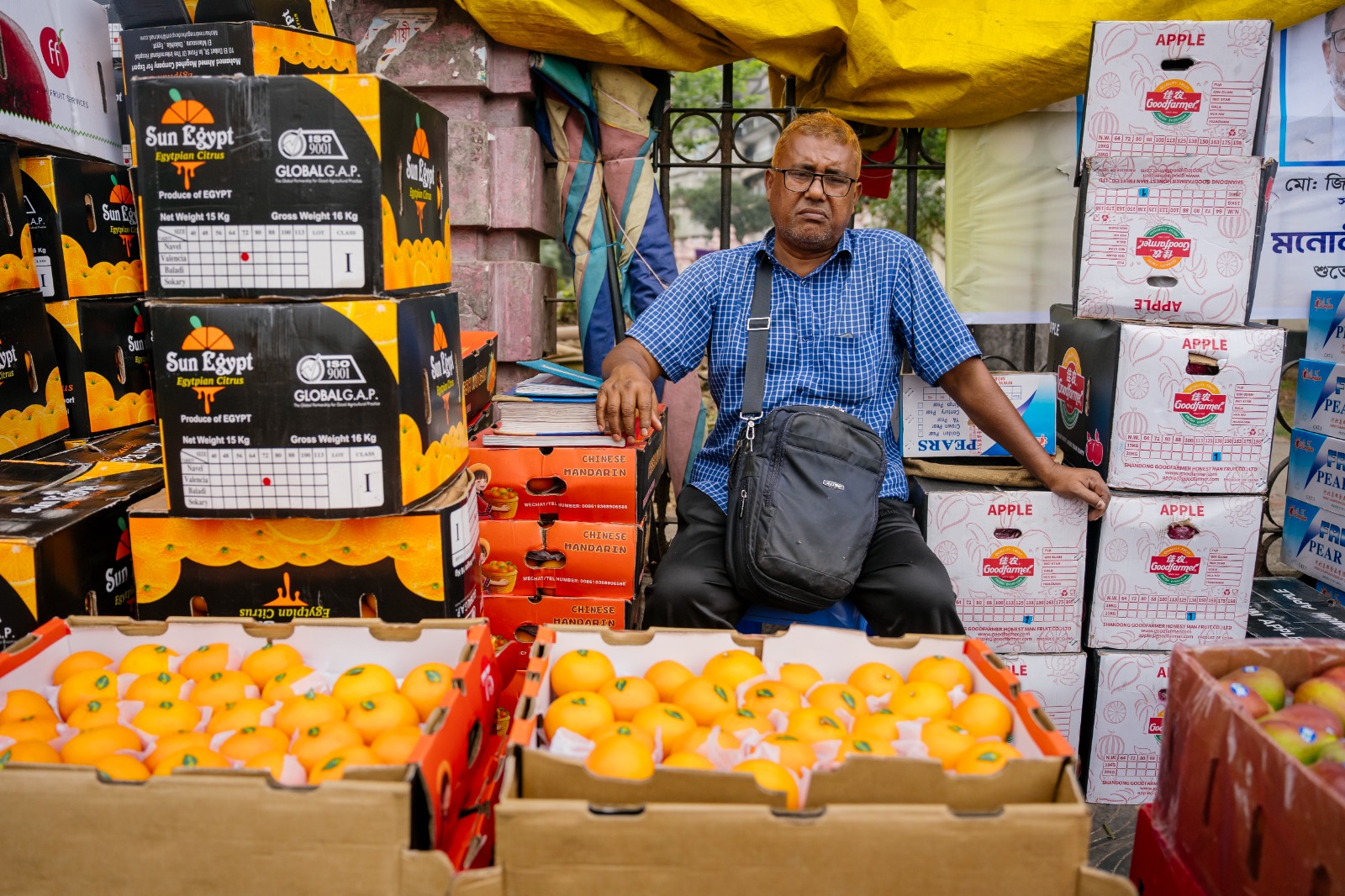
One of the key reasons lies in consumer perception. Imported fruits are often seen as cleaner, more attractive and sometimes even healthier. Their polished appearance and consistent supply make them appealing to urban buyers. Supermarkets and fruit shops also prefer these fruits because they can be stored longer and sold throughout the year.
However, this dependence comes with economic consequences. Imported goods are directly affected by global prices, shipping costs and currency exchange rates. When import costs rise, fruit prices climb quickly in local markets. For ordinary consumers, this means reduced buying capacity and fewer healthy food choices.
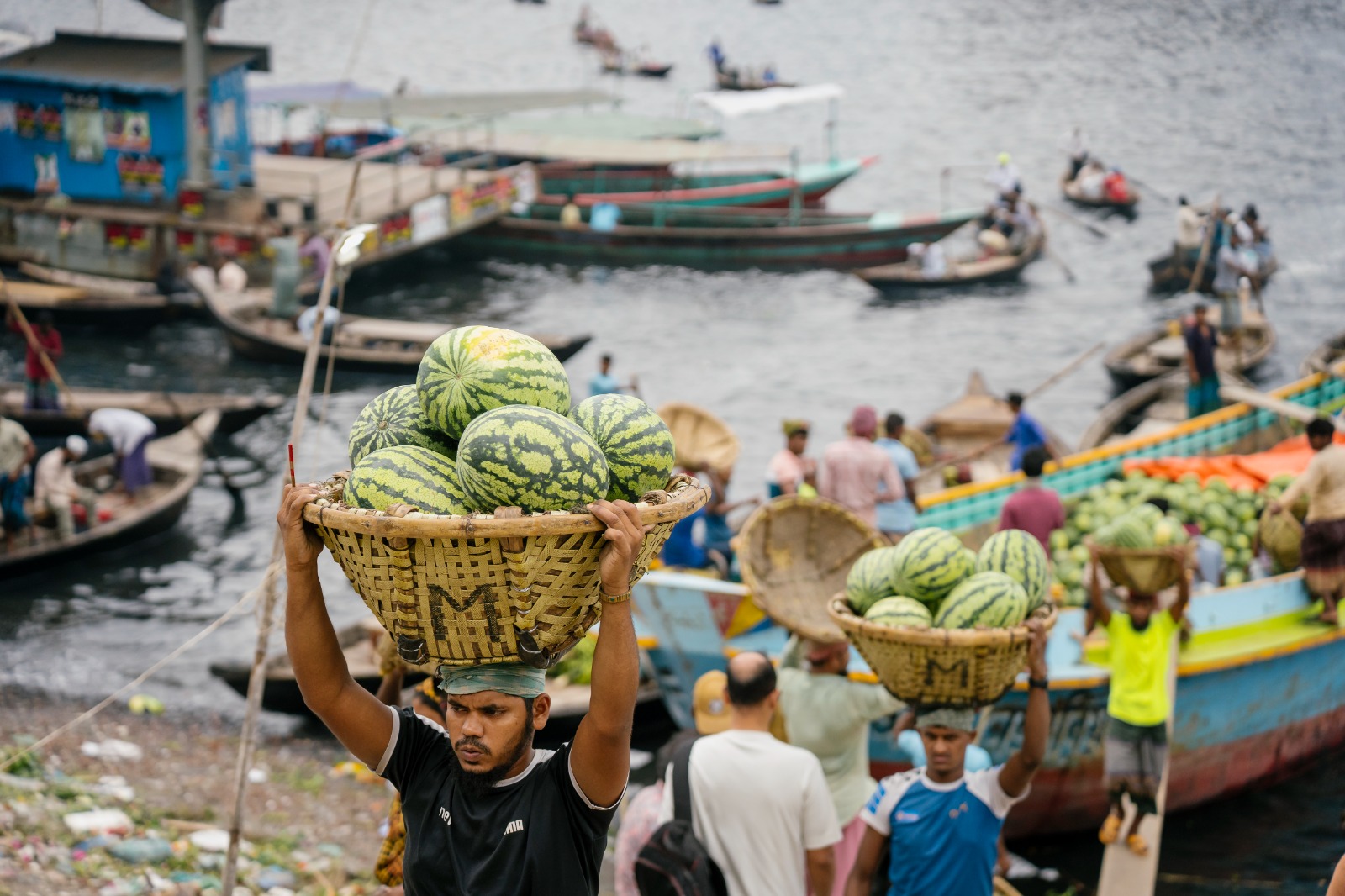
Local farmers, meanwhile, face a different struggle. Limited cold storage facilities, poor transportation systems and inadequate marketing often make it difficult for them to compete with imported products. Many orchards lack modern packaging or branding, which further reduces their visibility in urban markets.
Experts argue that the solution does not lie in rejecting imported fruits altogether but in strengthening local production and supply chains. Investment in cold storage, better logistics and modern orchard management could significantly improve the availability and quality of domestic fruits.
If properly supported, Bangladesh’s fertile soil could produce enough fruits not only for local consumption but also for export. The challenge is not the land or the climate; it is the system that connects farms to markets.
Until that system improves, markets like Badamtoli will continue to tell the same story each dawn: a nation rich in soil, yet increasingly dependent on fruits grown far beyond its borders.