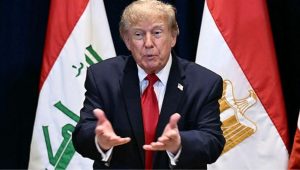



United States President Donald Trump has announced that his administration will roll back sanctions on several oil-producing nations to stabilise energy markets amid the ongoing conflict with Iran.
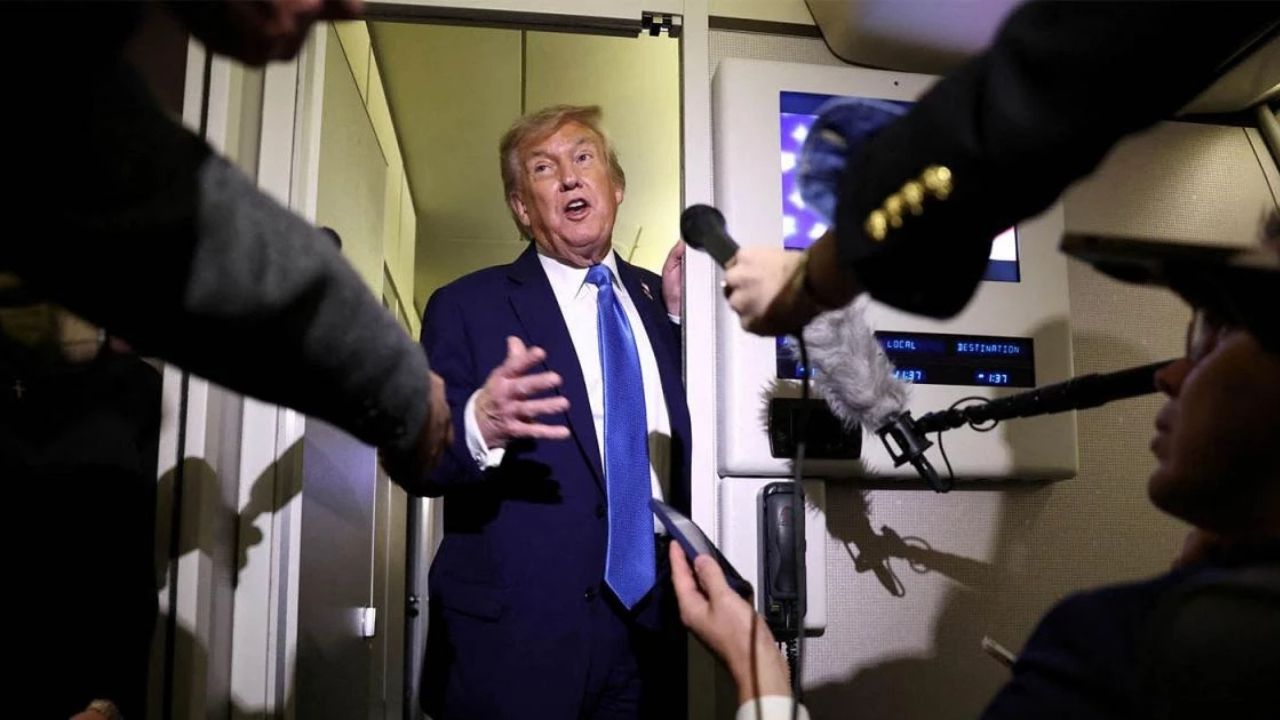
Speaking at a press conference at his golf club in Florida on Monday, Trump stated that the relief would last until the current geopolitical situation “straightens out”. “Then, who knows, maybe we won’t have to put them on – there’ll be so much peace,” he remarked.
While the president did not explicitly name the countries involved, the US currently enforces oil-related sanctions against Russia, Venezuela, and Iran. The Reuters news agency, citing multiple anonymous sources, indicated that Trump is specifically weighing the easing of restrictions on Russia to help lower global prices.

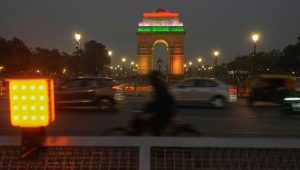
This follows a move last week by US Treasury Secretary Scott Bessent, who issued a 30-day waiver allowing Russian oil sales to India due to mounting supply concerns.
Market fluctuations
The announcement triggered a sharp correction in energy markets. Crude oil prices, which had recently spiked to nearly $120 a barrel, dropped below the $90 mark. By Tuesday morning, Brent crude was trading at roughly $84 a barrel.

Global markets have remained volatile since the US and Israel launched joint military strikes on Iran on 28 February. Since the start of the hostilities, crude prices have climbed by as much as 50 per cent.
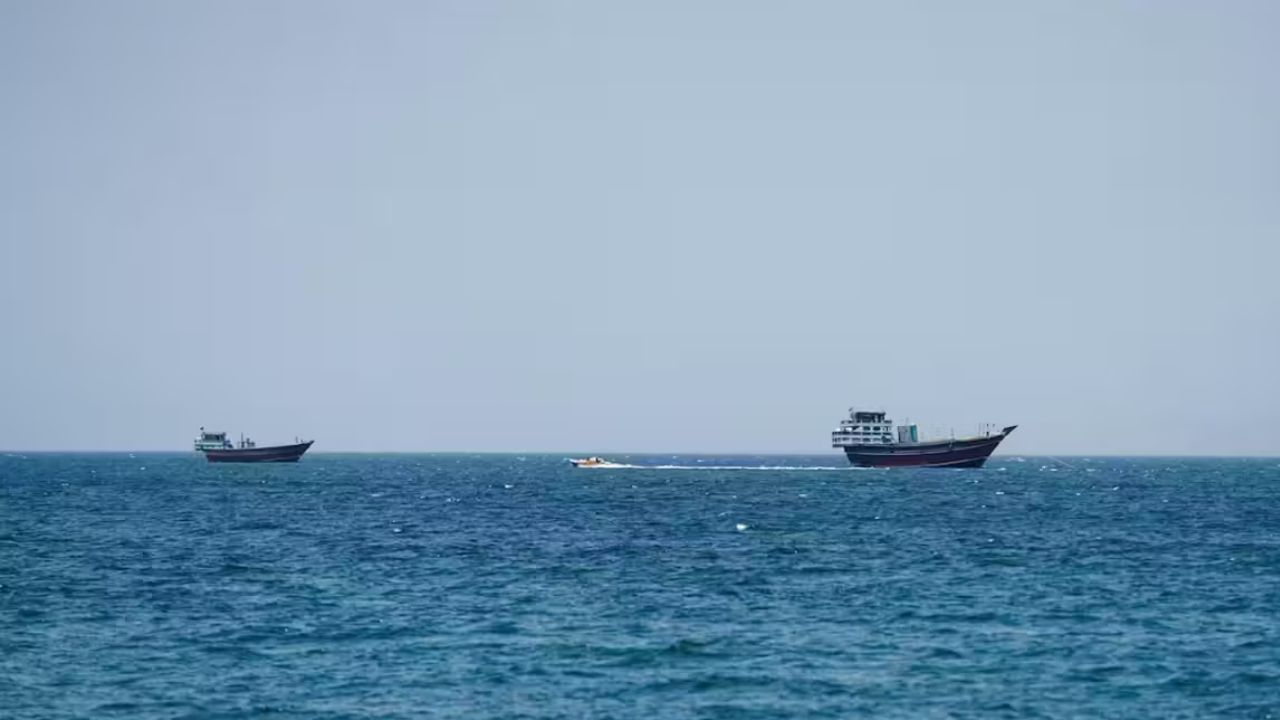
Industry experts have warned of further escalations if the Strait of Hormuz remains obstructed. The waterway, a transit point for one-fifth of the world’s oil, has been effectively closed due to Iranian threats. Homayoun Falakshahi, head of crude oil analysis at Kpler, told Al Jazeera that prices could reach record highs of $150 or $200 a barrel if the closure persists through April.
Conflicting signals on conflict The war has already seen significant damage to regional energy infrastructure. Beyond the closure of the strait, Israeli strikes have hit Iranian oil facilities, while drone attacks – widely attributed to Tehran – have targeted assets in US-allied nations including Qatar, Saudi Arabia, and Kuwait.
Despite his efforts to provide economic relief, Trump has offered contradictory messages regarding the duration of the military campaign. In an interview with CBS News on Monday, he claimed the war was “very far ahead of schedule” and “pretty much” complete.
However, during his Florida press conference, he asserted that strikes would not end until the enemy is “totally and decisively defeated,” even as he predicted the war would be over “very soon”. He also informed Republican lawmakers that while the US had “won in many ways,” it had not yet “won enough”.