Bangladeshi pilgrims preparing for Hajj this year may face significant difficulties as new Saudi arrangements mean pilgrims from the same agency will not be housed together in Mina and Arafat.
A total of 78,500 Bangladeshi pilgrims are scheduled to perform Hajj this year, up from an initial Saudi quota of 56,000 after negotiations. Registration has been completed, and flights are scheduled to begin 18 April. However, both agency owners and pilgrims fear logistical and coordination challenges under the new arrangements.
Hajj Agencies Association of Bangladesh (HAAB) Secretary General Farid Ahmed Majumder said separating pilgrims from the same agency could create confusion, especially for elderly, illiterate, women and child pilgrims. “If they are divided, coordination will become difficult and pilgrims may suffer,” he told TIMES.

Expatriate pilgrims face additional complications, as they must return to Bangladesh for vaccinations, medical examinations, and visa processing, which may interfere with their overseas employment. Majumder suggested conducting health checks in their country of residence to avoid disruption.




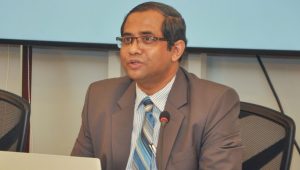
Religious affairs ministry Joint Secretary (Hajj Wing) Manjurul Haque said tent arrangements are now the responsibility of agencies through Saudi service providers, rather than being centrally managed by the government. He acknowledged that the separation of pilgrims could create problems and that one guide will be assigned for every 46 pilgrims, with training underway.
Authorities stressed that all medical examinations, vaccinations, grouping and visa formalities must be completed by 5 March to avoid delays, as the visa deadline is 20 March. Currently, 7,355 pilgrims under 30 agencies still await health checks.
The government has also reduced Hajj airfares this year to Tk154,830, down from Tk167,820 in 2025, while offering three government packages ranging from Tk467,167 to Tk690,597. Private agencies will provide additional packages.
Officials have urged early completion of all preparations to avoid last-minute complications, particularly with Eid-ul-Fitr holidays approaching, which could disrupt visa and medical procedures in both Bangladesh and Saudi Arabia.