They were built with promise. Concrete roofs, glass panels, and marked spaces on the roadside. The idea was simple: to bring order to chaos. Give commuters a safe place to wait. Make buses stop where they are supposed to.
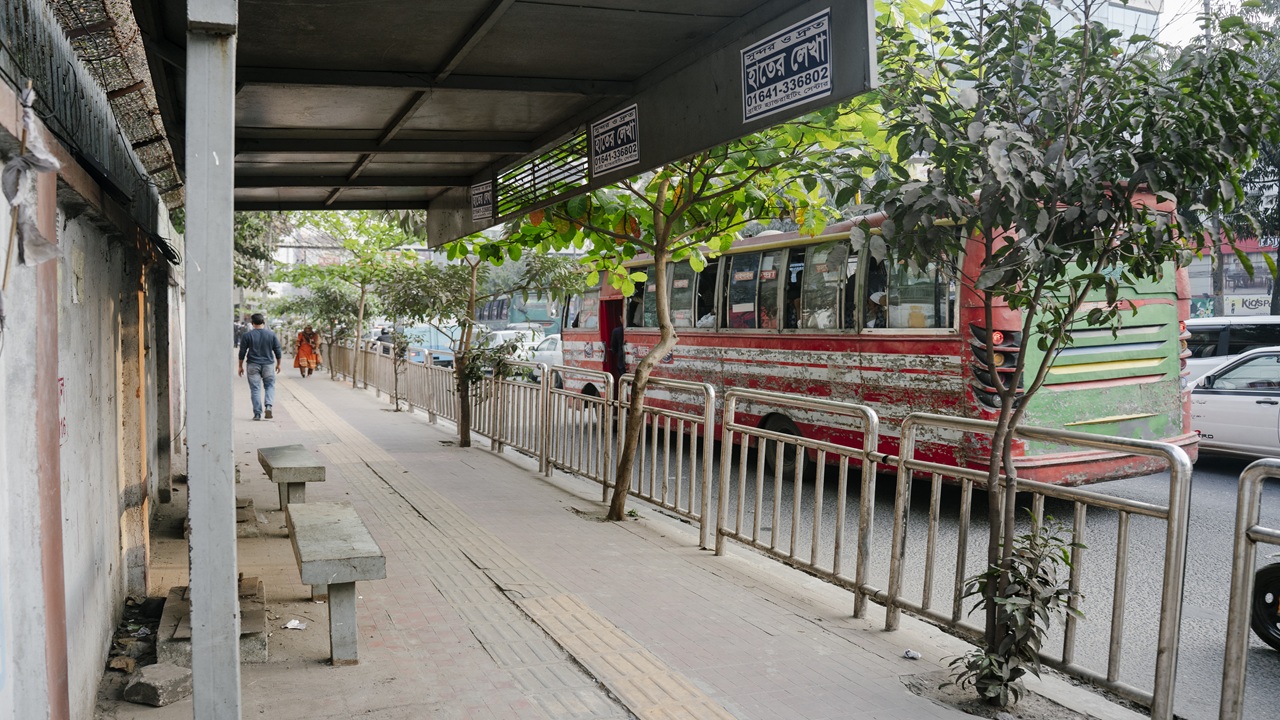
But years later, many of these passenger sheds stand like forgotten monuments. In the middle of busy roads, buses still halt wherever they find space. Passengers wave them down in traffic. Conductors shout destinations while engines idle, horns blare. The sheds remain behind, empty and ignored.
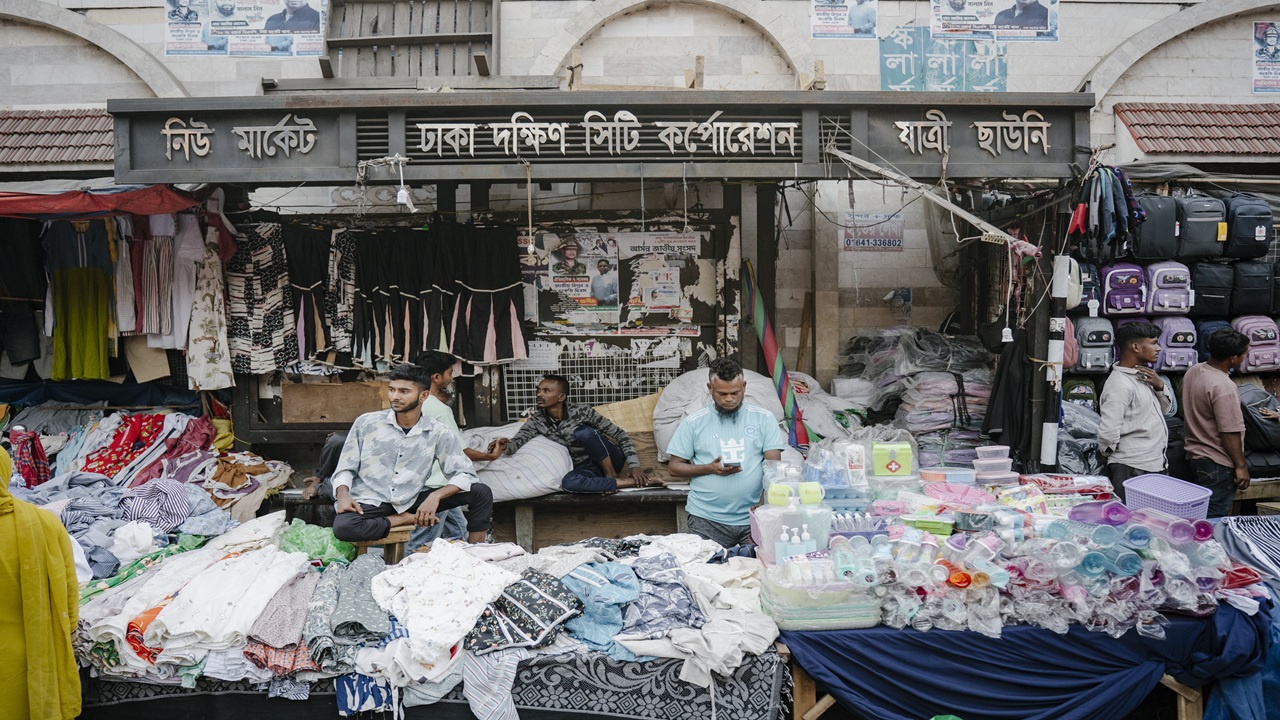
In some places, the seating is removed, stolen, or sold as scrap. Metal barriers block the entrance of a few. Wooden benches sit awkwardly beside them. Street vendors quietly take over corners. Glass walls collect dust and faded stickers.

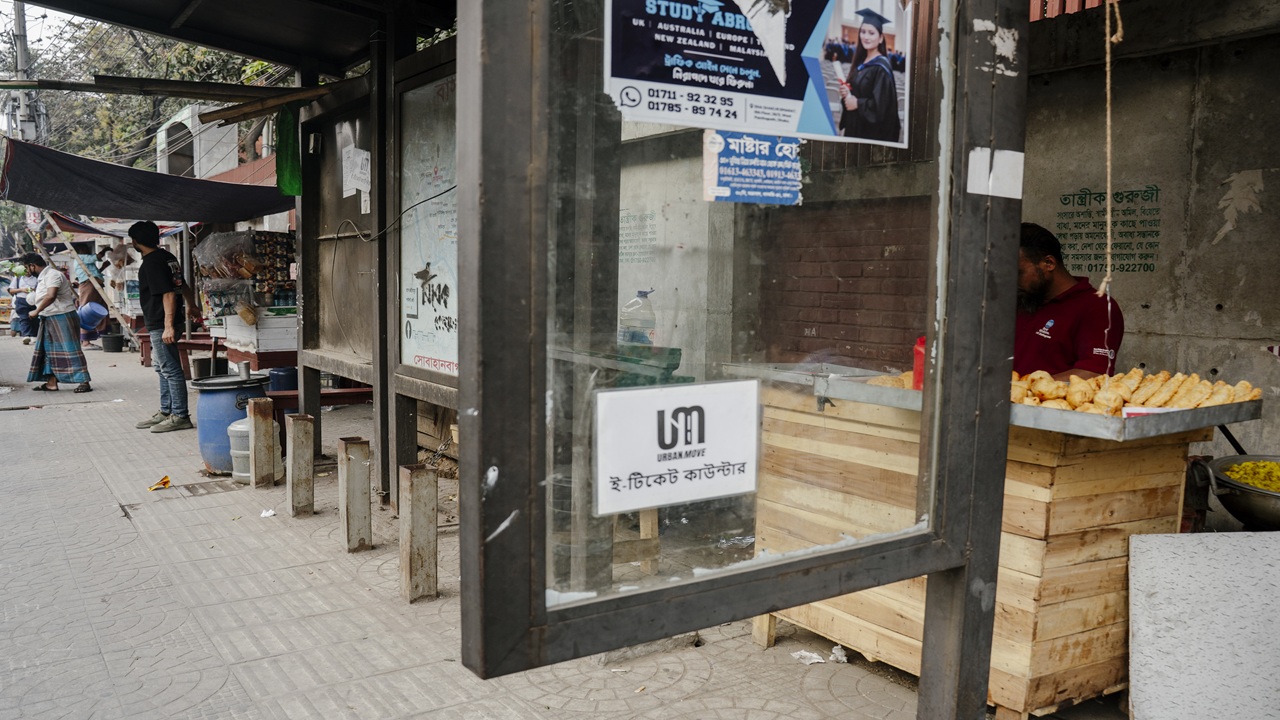
Commuters rarely step inside. Instead, they stand on road dividers or gather in traffic lanes or wait under the open sky. The very structures meant to protect them are treated as obstacles.
The failure is not in the concrete alone. It’s in habits, in weak enforcement, in a transport culture that resists discipline.




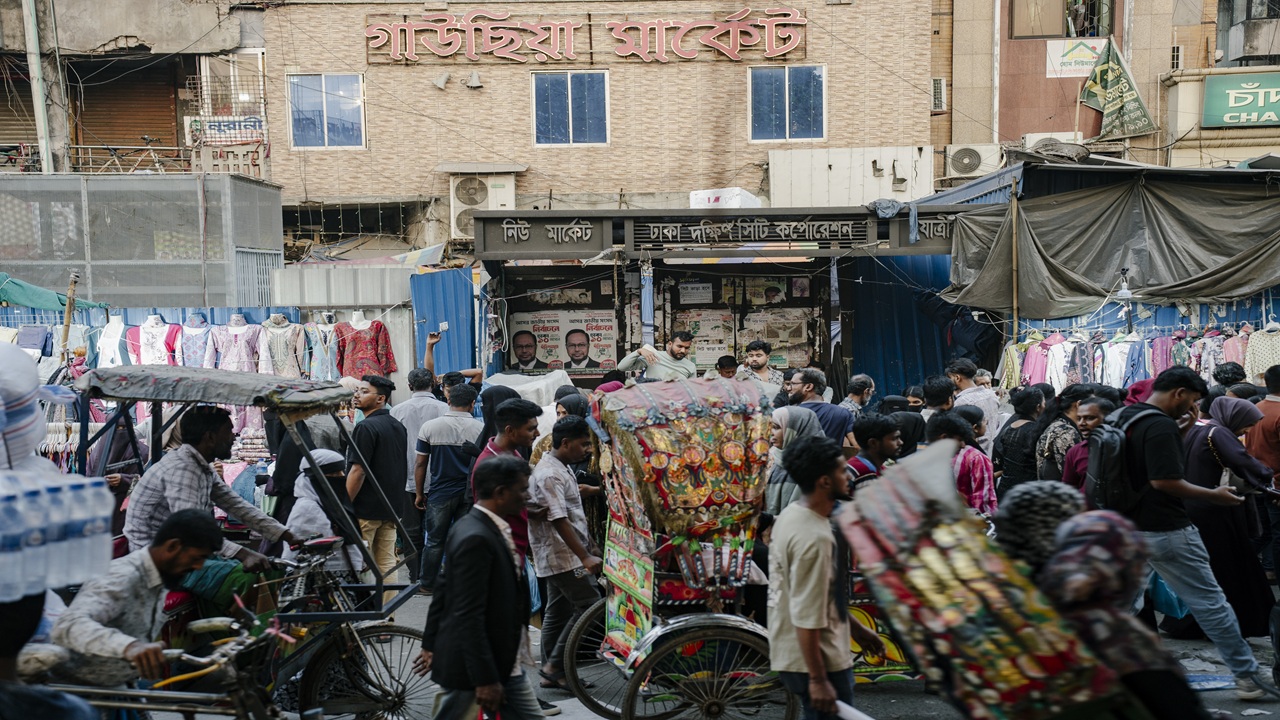
Drivers are always in a rush. They compete for passengers and stop where the crowd is, not where the signboard stands. Sometimes buses block entire lanes, and the traffic congestion continues. Rickshaws squeeze through narrow gaps. Pedestrians weave between moving vehicles. The sheds watch silently.
What was meant to reduce disorder now symbolises it. Urban planning without follow-through becomes decoration. Infrastructure without enforcement becomes waste.
These passenger sheds are not entirely useless. They show intent. They reflect an attempt to fix a broken system. But intent alone does not move buses. Nor does it change commuter behaviour.
Without strict rules, monitoring, and public awareness, the sheds remain urban relics, standing, waiting much like the commuters they were built for.