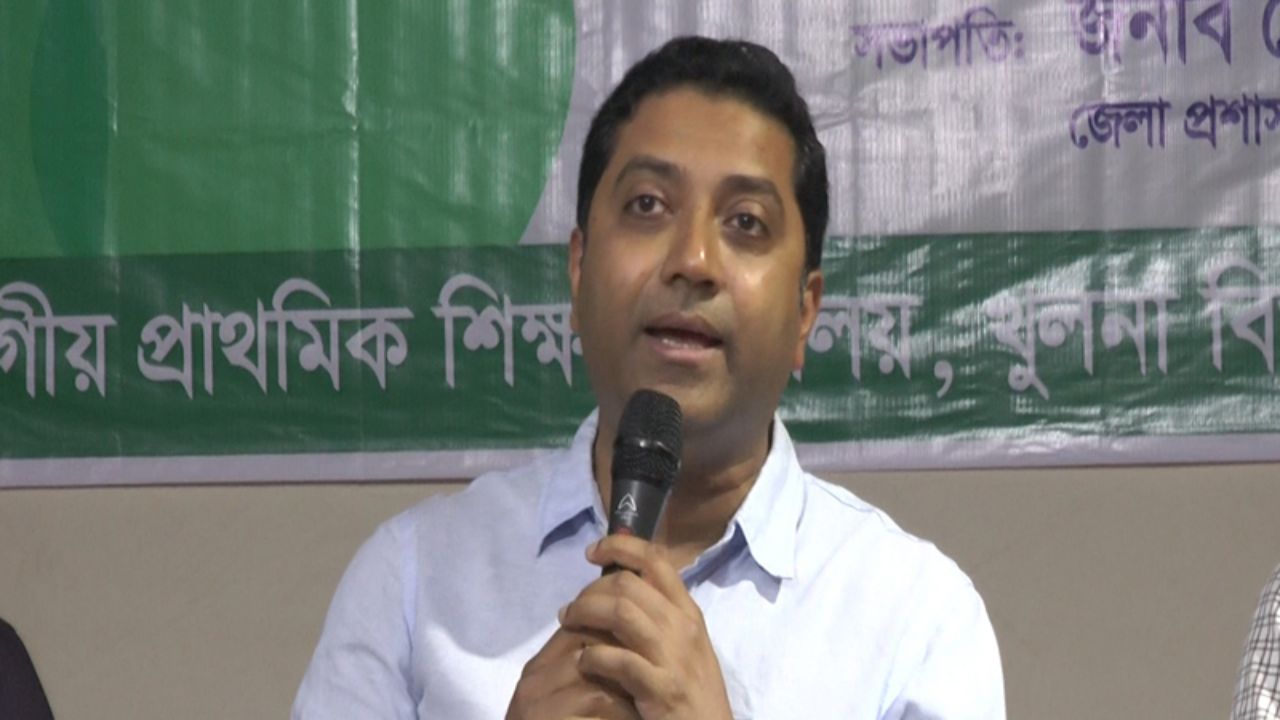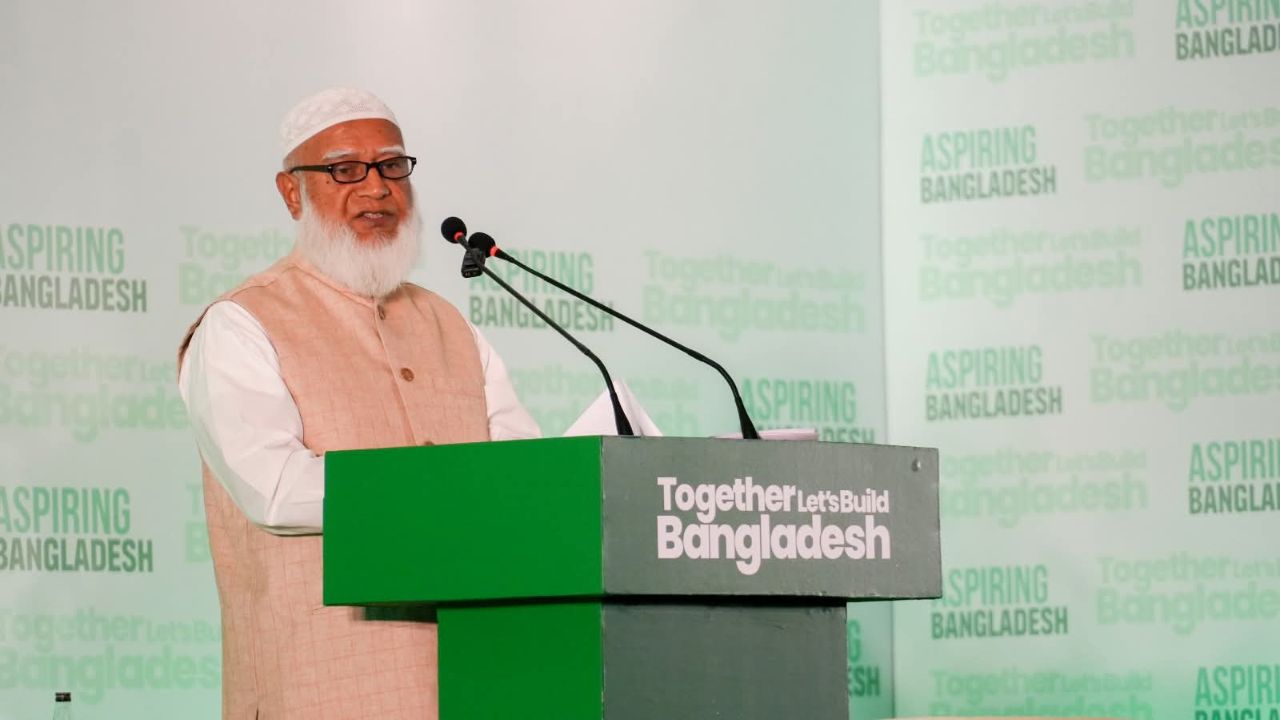



Bangladesh Jamaat-e-Islami has unveiled the broad contours of its proposed election manifesto, outlining its policy priorities and governance philosophy if it comes to power. The proposals were presented on Tuesday at a day-long policy summit held at a hotel in the capital, attended by senior party leaders, professionals from different sectors and representatives of foreign diplomatic missions.
The summit began at 9am with an opening address by Jamaat Ameer Shafiqur Rahman, who also spoke in the closing session. Party leaders responded to questions from the audience in several thematic sessions held throughout the day.
According to Jamaat’s Assistant Secretary General and head of its media wing, Ahsanul Mahbub Zubair, diplomats from more than 30 countries took part in the event. These included representatives from European Union, the United States, the United Kingdom, China, Japan, India, Germany, France, South Korea, Pakistan, Iran, Malaysia, Turkey, the Maldives, Brunei and Sri Lanka.
Key policy and economic priorities
The party announced what it described as a “zero tolerance” approach to corruption and set out long-term fiscal targets, including a plan to reduce the tax rate to 19 percent and VAT to 10 percent.
It also proposed introducing a “Smart Social Security Card” by integrating national identity, tax, health and social service databases into a single system.
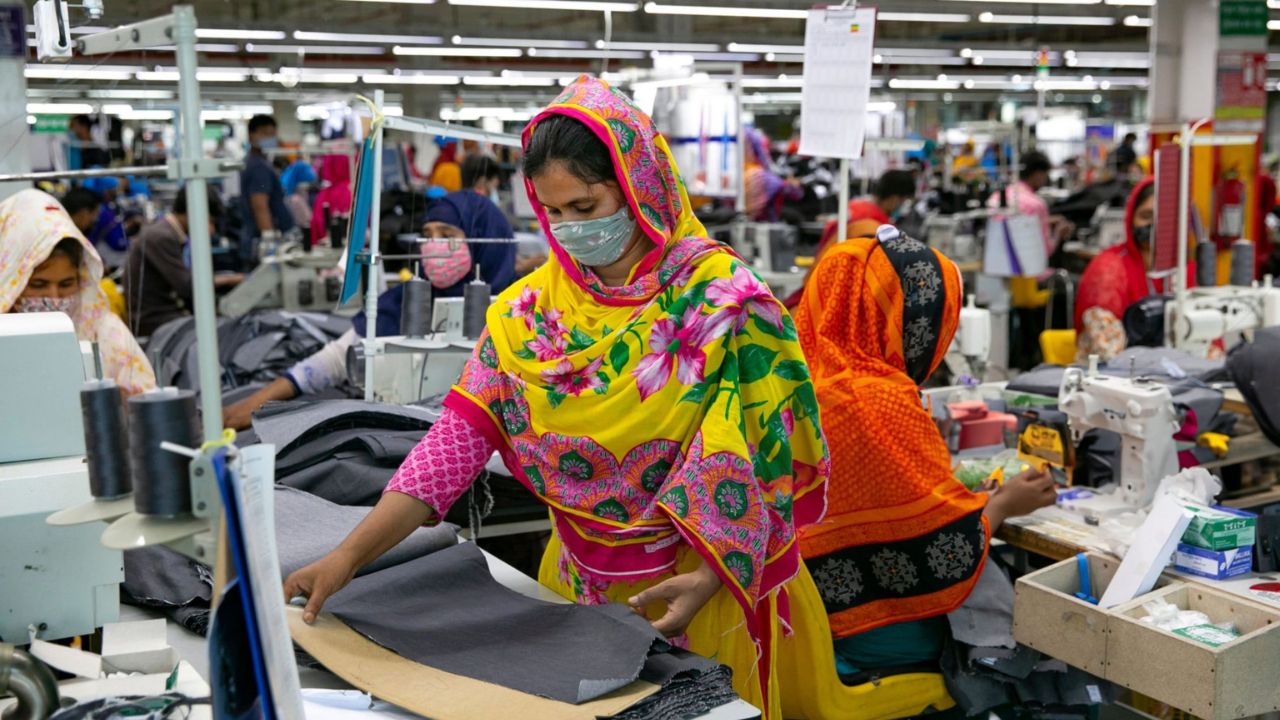
Jamaat said it would not raise gas, electricity or water prices for the industrial sector for the next three years. It also pledged to revive closed factories through public-private partnership models, under which workers would be given a 10 percent ownership stake.

Other proposals included adopting business-friendly policies, simplifying licensing procedures and providing interest-free loans for farmers.
Education and healthcare
In the education sector, the party announced plans to provide interest-free loans every year to 100 underprivileged and meritorious students to study at leading global institutions such as Harvard, MIT, Oxford and Cambridge.
It also said it would merge Eden College and Begum Badrunnesa Government Women’s College to establish what it described as the world’s largest women’s university.



Jamaat pledged that recruitment in both government and private sectors would be entirely merit-based.
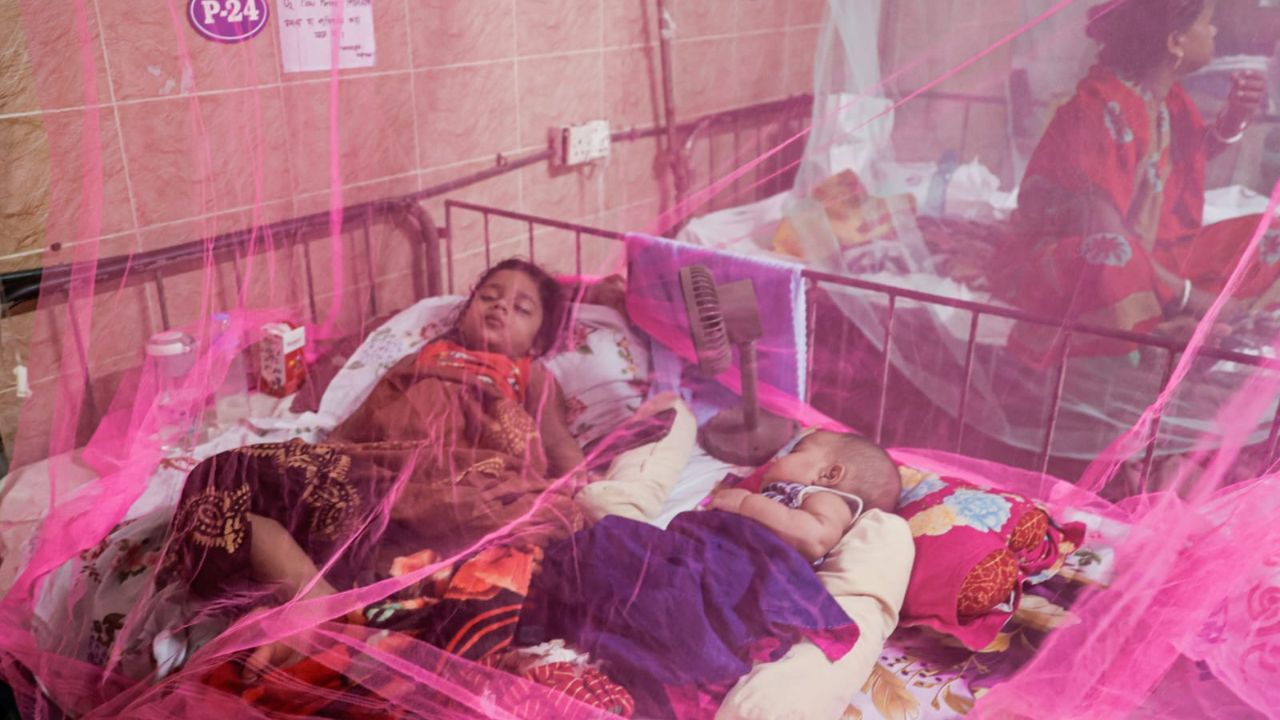
In healthcare, it promised free medical treatment for citizens aged over 60 and for children under five. It also committed to establishing specialised hospitals in every district.
Tough stance against corruption
Addressing the summit, Jamaat Ameer Shafiqur Rahman and Nayeb-e-Ameer Syed Abdullah Mohammad Taher said the party would remain uncompromising in preventing any future government from using state resources or economic systems for personal or partisan interests.
They said corruption, plunder and nepotism weaken the state from within, adding that meaningful development would not be possible without ensuring transparency and accountability in line with international standards.
The leaders also reiterated their commitment to modernising agriculture, increasing productivity and ensuring food security.
Assurance of minority rights protection
Jamaat leaders described the protection of minorities as not only a political responsibility but also a “religious duty”.
They claimed that the party currently has around half a million members from minority communities, including Hindus, Buddhists and Christians.
They said Jamaat would not compromise on protecting the rights of any citizen, regardless of religion, ethnicity or gender.
Call for international partnership and unity
Shafiqur Rahman said the party aimed to position Bangladesh as a reliable partner at both regional and global levels.
He added that the present moment was not one for division but for unity, urging people to come together to build a better future.
Plans for youth, ICT and remittances
The party proposed the creation of a new ministry dedicated to youth skill development. It set a target of producing 10 million skilled workers within five years and facilitating job placement for five million people.
Under its “Vision 2040” framework for the ICT sector, Jamaat said it aimed to create two million jobs and generate $5bn in export earnings by 2030.
It also outlined plans to double or triple remittance earnings in the coming decades by expanding the country’s skilled workforce.