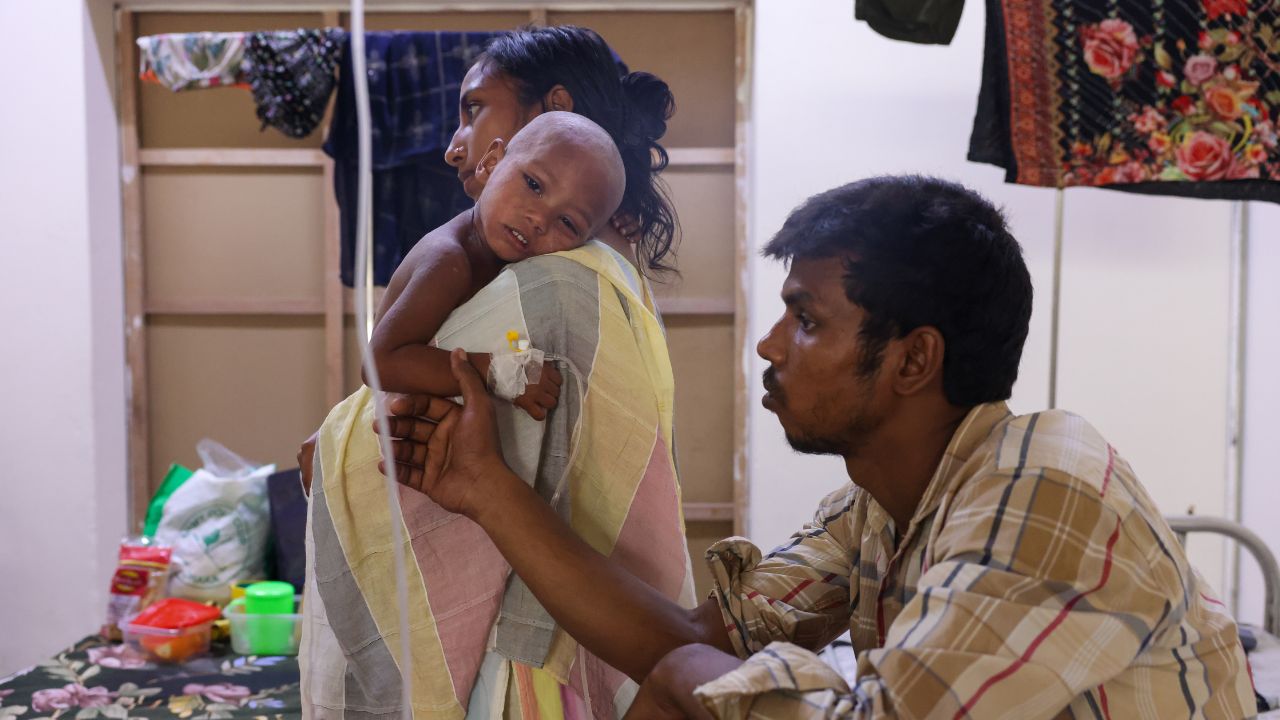
At 37, Sumon Khan from Jatrabari saw his life transformed by a diabetes diagnosis; a condition that now shapes his daily routine with medication, strict diets, and constant monitoring.
A small businessman earning Tk27,000 a month, Sumon spends nearly Tk7,000 monthly – a quarter of his income – on managing the illness.
Sumon’s story reflects the struggle of thousands of Bangladeshis balancing chronic illness with high out-of-pocket costs. For many middle-class families, diabetes is not only a health challenge but also a growing financial strain.
According to data from the International Diabetes Federation (IDF), there are approximately 13.1 to 13.9 million people in Bangladesh living with diabetes. This figure is projected to nearly double to 22.3 million by 2045.
Sumon’s expenses cover insulin, medicines, tests, doctor visits, glucose strips, and transport. “Some months I have to skip a test or delay buying medicine,” he said.
“If my child’s school fees or rent come first, my health comes second.”

The financial strain has forced his family to cut back on essentials, including food.
Despite the challenges, Sumon remains disciplined; walking daily, avoiding sugary foods, and following his doctor’s advice.
His physician says his condition is stable, though any lapse in care could lead to serious complications.
“Diabetes doesn’t just change your body. It changes your whole way of living,” he said, noting that more affordable healthcare could ease the burden for families like his.
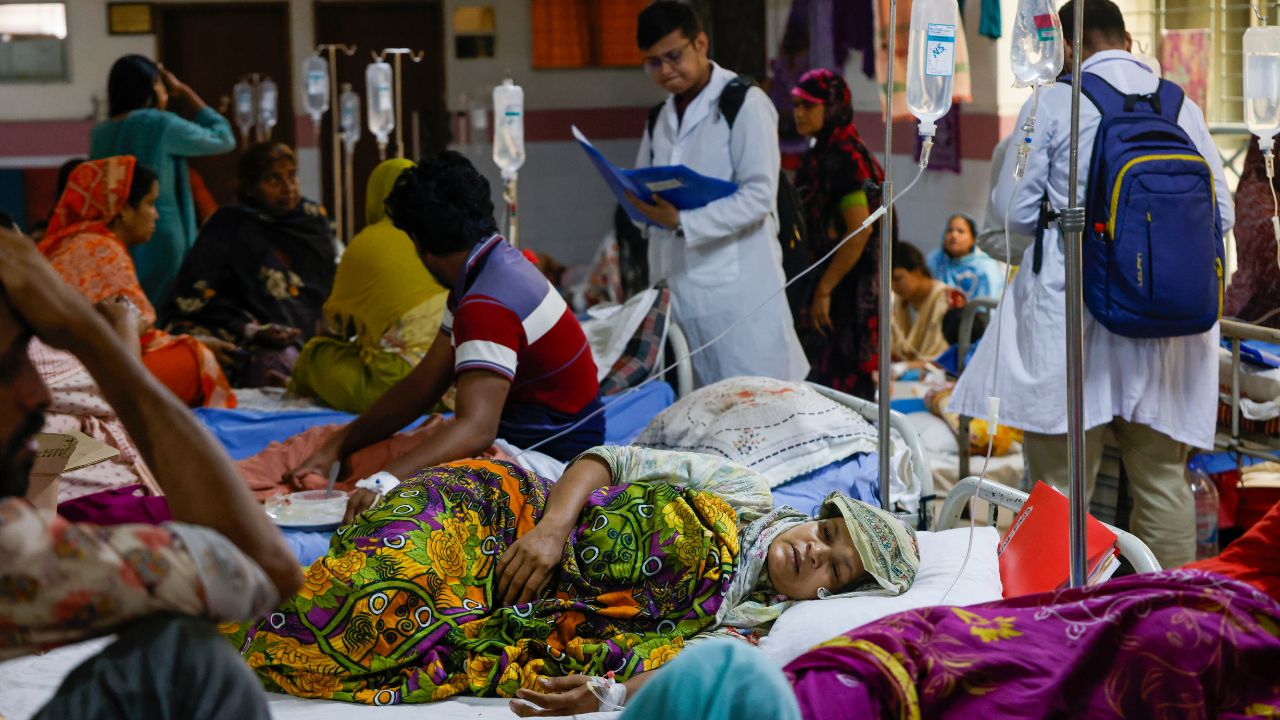



A study using 2016 BBS HIES data, adjusted to 2023 prices, placed Bangladesh’s middle-class monthly household income between BDT 12,900 and 21,500. But new research suggests that even families within this group are feeling the financial strain of healthcare costs.
According to a 2023 ScienceDirect study, the average annual out-of-pocket cost for diabetes care stands at Tk25,473 — a figure that can take up a significant share of a middle-class household’s income. Medications make up about 75% of these expenses. The study also found that more than 14% of households face catastrophic health expenditures, with costs soaring for patients who experience complications or require hospitalisation.
According to the IDF, adult prevalence has climbed from 10.95% in 2011 to 13.75% in 2018, with an estimated 13.2% affected in 2024.
Another study shows that the economic burden is substantial, with the overall annual cost to the country projected at $1.5 billion, including $217.7 million in direct medical expenses for diagnosed cases.
Experts warn that the country’s middle class, often seen as economically stable, is increasingly vulnerable to the high costs of managing chronic illnesses. Older adults, rural residents, and lower-income families within this group are particularly at risk of financial hardship.
“Diabetes costs pose a significant financial strain compared to the country’s average household income. Although wealthier groups spend more in absolute terms, poorer and middle-income families face a heavier relative burden. For them, ongoing costs for medicines such as insulin can deplete savings and push households towards economic hardship,” KM Nafiz Ifteakhar Tulon, associate professor at the Institute of Health Economics, University of Dhaka, told TIMES of Bangladesh.
Ifteakhar Tulon urged precaution over prevention stating that early management of diabetes through proper diet and regular exercise can reduce or even eliminate the need for insulin. Lifestyle changes alone can help some patients maintain control.
“If diabetes is managed early with proper diet and daily walking, insulin may not be needed. Awareness is limited, and schools should promote healthier habits. Prevention is better than costly treatment,” he added.
Tulon noted that junk food and sedentary lifestyles are driving diabetes and other diseases among young people, and that prevention is far more cost-effective than treatment in reducing long-term financial strain.