Allegations of corruption and misappropriation of government funds surface in implementation of projects for rural infrastructural development in Madaripur Sadar upazila.
Money and grain allocations for Kabikha (Food-for-Work) and Kabita (Money-for-Work) projects across 15 unions were misused without carrying out the work.
Locals and officials claim that influential groups, aided by sections of the administration, withdrew crores of taka in project funds while many roads, culverts, mosques, temples, and graveyards listed for repair or reconstruction saw little to no work.
According to documents reviewed by TIMES, in 2024–25 fiscal year, Tk3 crore was allocated from the 1 per cent land transfer tax for the three phases of the 15 unions.
Under Kabikha, 166.263 metric tonnes of rice and an equal amount of wheat were allocated, valued at Tk93.74 lakh and Tk76.41 lakh respectively. Additionally, Tk1.66 crore in cash allocations was disbursed.

In total, the combined allocation for the 1 per cent fund, Kabita and Kabikha amounted to Tk7.20 crore.
Residents across several unions complained that double allocations were made for the same location, some projects received only symbolic work before bills were withdrawn, and in some cases, ward members were unaware that funds had even been sanctioned.
In Shirkhara Union, union secretary Kabiruddin Hawladar is accused of awarding multiple projects to a contracting firm registered under his wife’s name. Locals say no actual work was carried out, though the bills were withdrawn long ago.


Despite being transferred several times, the secretary has reportedly served in Shirkhara Union for 15 of his 26 years in government service. He did not respond to phone calls of text messages regarding the issue.
In Shirkhara Union’s Ward 1, 5.6 metric tonnes of rice, worth Tk3.15 lakh, were allocated for a ‘mass grave’, which locals later discovered was a private family graveyard belonging to Salam Hawladar.
Multiple residents from different unions described roads that were listed as newly reconstructed despite being built years earlier, or roads that had been promised several times but never received any repair.
In Mustafapur Union, a severely damaged rural road appeared in official records as having received Tk4.23 lakh in 2024–25 and Tk6.71 lakh in 2023–24. No work was done in either year, though the funds were fully withdrawn, according to documents.
Residents also said that in several wards, current elected members did not receive any project work, while former members or influential individuals secured allocations without transparency.
In Kunia Union, Tk6.36 lakh was allocated for the construction of a mud road in Ward 2. A field visit found a long-existing brick road instead, which villagers said was built seven years ago and had never been repaired despite repeated appeals.
In Panchkhola Union, Tk2.5 lakh was allocated for a mud road between two homesteads that locals say do not even exist. Residents told reporters no such road or individuals could be found in the area.
After repeated complaints to local authorities yielded no action, frustrated residents filed petitions with the Anti-Corruption Commission. Acting on the complaints, the ACC conducted raids on 30 September at the upazila Project Implementation Office and the LGED office.
ACC Deputy Director Md Akhtaruzzaman later confirmed that irregularities had been found in projects across 11 of the 15 unions.
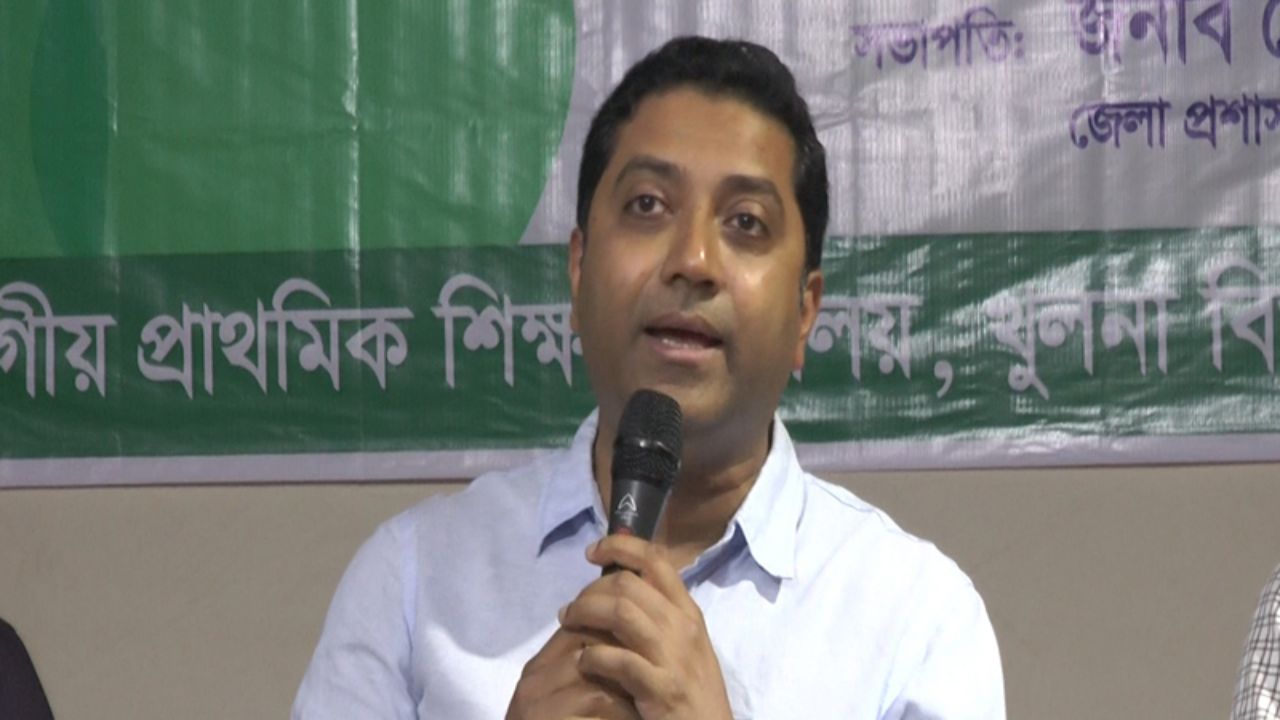
Asked for comment, Madaripur Sadar Upazila Project Implementation Officer Nazrul Islam said, ‘To respond specifically, I would need to examine the documents.’