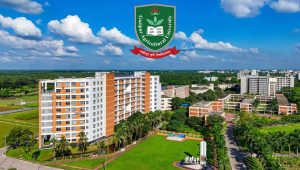



Chittagong University (CU) trails behind the country’s other three public universities in providing residential facilities, leaving nearly 74 per cent of its students without hall accommodation.
Out of approximately 25,000 enrolled students, only 6,493 have seats in residential halls, meaning merely 25.83 per cent receive accommodation benefits while nearly 74 per cent remain unhoused on campus.
Comparative housing rates and CU demographics
A comparative assessment reveals that while Dhaka University (DU) accommodates roughly 47 per cent of its students and Rajshahi University (RU) houses 30.23 per cent, Jahangirnagar University (JU) operates as a fully residential institution where every student receives a seat.
According to DU Online Admission Committee data, DU has 42,881 students – comprising 22,152 male and 20,729 female students – served by 19 residential halls and four hostels, which include 13 male, five female, and one international student hall.
Meanwhile, RU has nearly 32,000 students, of whom 9,673 (30.23 per cent) reside across 17 halls (11 male and six female) and one international dormitory. In contrast, JU accommodates all 14,000 to 14,600 of its students across 21 residential halls, divided into 11 male and 10 female halls.
Data from the Chittagong University budget book indicates a total enrolment of 24,942 students, comprising 14,583 male students, 10,358 female students, and one third-gender student.

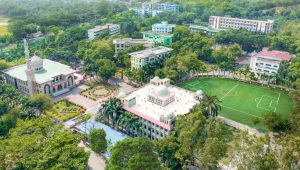
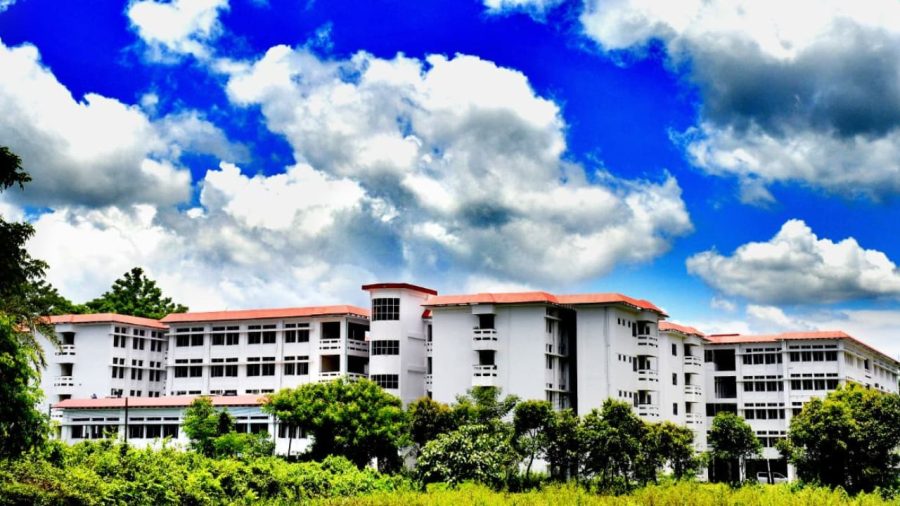
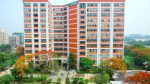
With the student population outnumbering available capacity nearly fourfold, CU’s 14 residential halls – nine for male students and five for female students – provide a combined institutional and ancillary capacity of 6,493 seats.
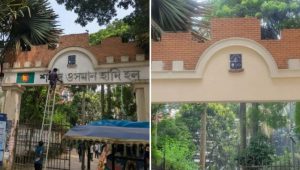
Among the nine male halls, seat capacities stand at 750 in Shahid Farhad Hossain Hall, 632 in Amanat Hall, 509 in Shah Abdur Rab Hall, 475 in Shahjalal Hall, 375 in Suhrawardy Hall, 312 in Atish Dipankar Hall, 260 in Alaol Hall, 258 in A F Rahman Hall, and 176 in Masterda Surya Sen Hall.
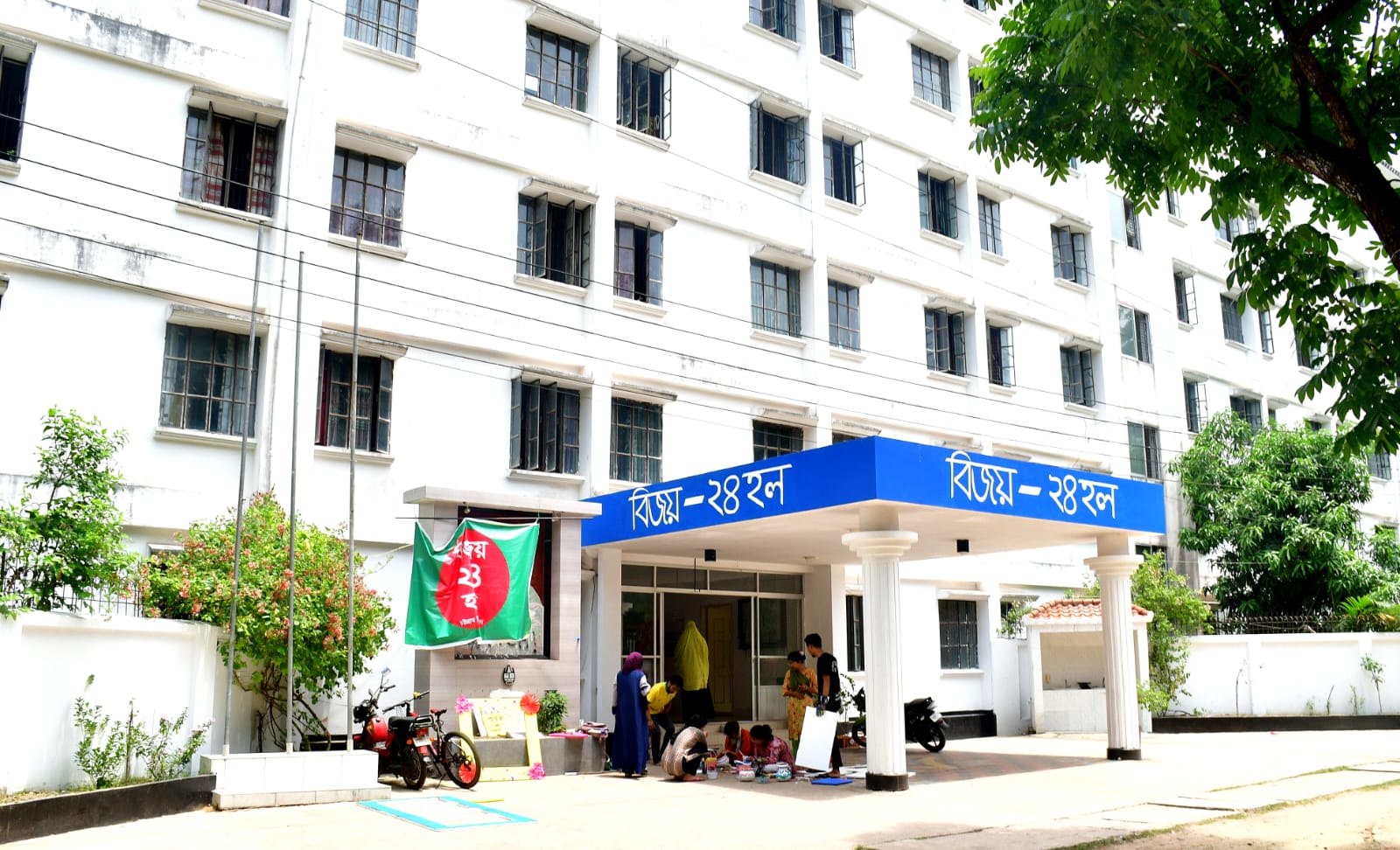
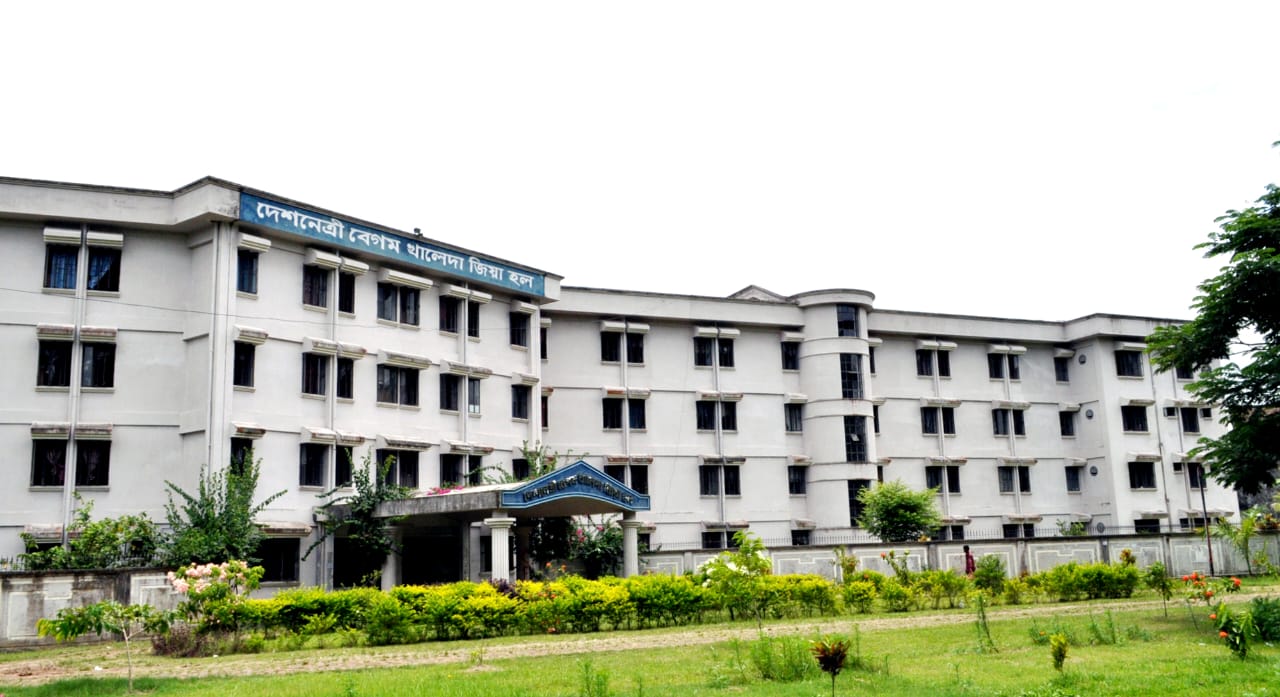
For female students, seat allocations comprise 750 in Bijoy 24 Hall, 531 in Pritilata Hall, 508 in Deshnetri Begum Khaleda Zia Hall, 481 in Shamsunnahar Hall, and 39 in the female section of Masterda Surya Sen Hall. Including hostels and ancillary additions, the total overall seat count reaches 6,443 to 6,493 seats.



Off-campus living hardships
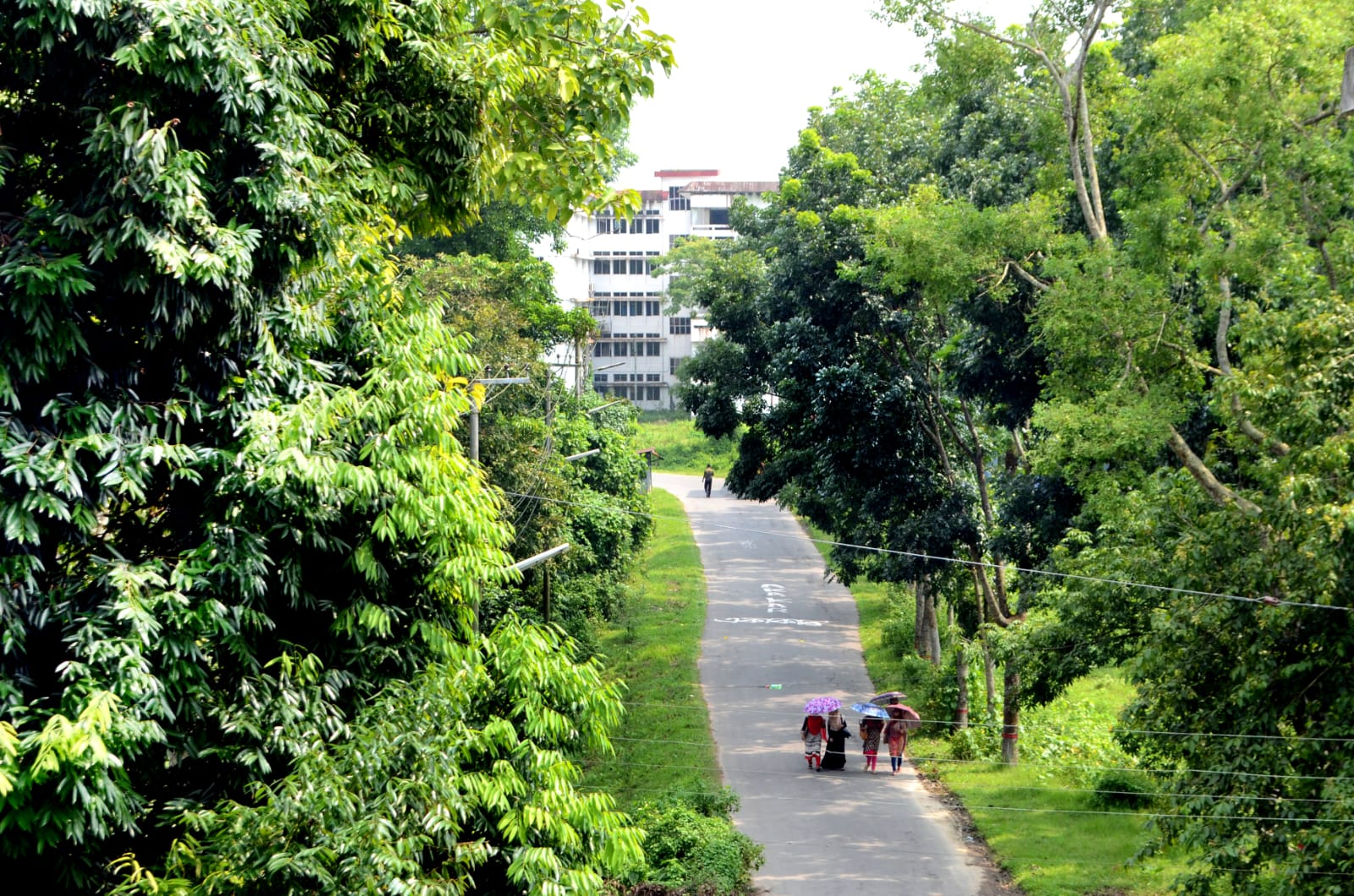
The acute accommodation shortage forces nearly 74 per cent of CU students to live off-campus in rented houses, messes, and cottages surrounding the campus or in Chittagong city, situated approximately 22 kilometres away.
Students commuting from the city face severe transportation struggles on the campus shuttle train alongside high house rents, while those residing in nearby cottages report inadequate living conditions and frequent load-shedding.
Highlighting off-campus hardships, Abdul Wadud, a student of the Arabic Department (2021–22 session) residing in a tin-shed cottage, shared that two students are forced to live in a small, dirty room with uncleaned toilets while paying high rent, adding that constructing new halls and repairing existing ones is vital to resolving the crisis.
Akhi Akter, a student of the Chemistry Department (2022–23 session) living in South Campus, cited exorbitant house rent and frequent power cuts outside the campus, urging the administration to introduce an accommodation allowance for non-residential students.
Meanwhile, Md Safwan, a student of the International Relations Department (2021–22 session) commuting from the city, described the intense travel hassle on shuttle trains and urged the administration to pressure the government to construct at least 10 to 12 new halls.
Additionally, Kona Mahajon, a third-year student of the Communication and Journalism Department, noted that CU was established with a founding promise of 100 per cent accommodation like JU, calling for room-doubling where feasible, construction of new halls, and pressure on the University Grants Commission (UGC).
Student union initiatives, administrative response
Addressing the housing crisis, Chittagong University Central Students’ Union (Cucsu) Communication and Accommodation Secretary Md Ishak Bhuiyan stated that continuous dialogue and pressure on the administration have yielded seat expansions across several halls.
Recent allocations include 88 students in the Shahid Farhad Hossain Hall extension building, 90 additional seats in Shahjalal Hall, and 19 students in Suhrawardy Hall.
Work is currently underway to accommodate approximately 80 students in the Masterda Surya Sen Hall staff quarters and 200 students in the old Shamsunnahar Hall.
Moreover, a proposal for a new 1,000-seat hall for female students and 10 additional new halls is currently being processed, with the executive body holding over 50 meetings with the administration regarding hall accommodation.
Acknowledging the severe shortage, Chittagong University Vice-Chancellor Professor Dr Mohammad Al-Forkan stated that hall accommodation remains one of CU’s long-standing problems, as the university currently fails to house even one-third of its students.
He explained that resolving the issue is a lengthy process involving Development Project Proposals (DPP) that require navigating multiple procedural steps, noting that shortening procedural delays would allow students to benefit from development projects much faster.
TIMES of Bangladesh Campus representatives of Dhaka, Rajshahi, and Jahangirnagar universities have contributed to this report.