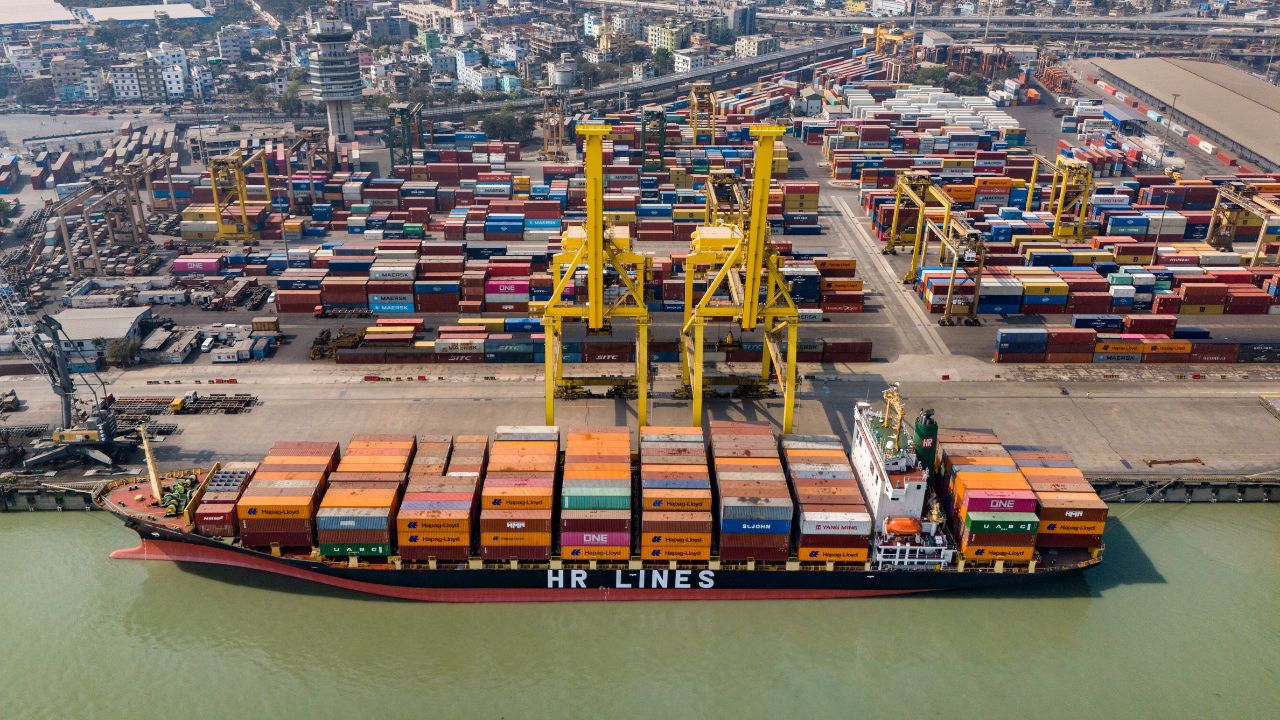
Bangladesh has taken a major step toward enhancing transparency and accountability in its maritime logistics as the Maritime Anti-Corruption Network (MACN), in collaboration with the UN Global Compact Network Bangladesh (UNGCNB), officially launched a nationwide “Say No to Corruption” campaign.
The initiative was inaugurated through a seminar on October 28 at the Munshi Fazlur Rahman Auditorium of the Chattogram Port Authority (CPA), with endorsement from the Department of Shipping.
The campaign will initially cover the Chattogram and Mongla ports, with plans to expand to other maritime and logistics hubs soon.
The launch brought together representatives from government agencies, port authorities, customs, international organisations, shipping companies and private sector stakeholders – reflecting a unified commitment to curb corruption in local port operations.
Key industry and government figures at the seminar included Commodore Mahmudul Malek, managing director of Bangladesh Shipping Corporation, Mohammad Shafi Uddin, commissioner of Chattogram Custom House, senior delegates from the CPA, Mercantile Marine Office and Bangladesh Shipping Agents Association, among others.

Project Lead of MACN Bangladesh, Commodore Syed Ariful Islam, (retd), delivered the event’s welcome remarks.
He said 132 and 24 incidents were recorded between 2018 and 2022, respectively, indicating improved transparency.
However, reports of such incidents had increased again in 2024.
Tanjil Ahmed Ruhullah, Managing Director of Interport Group and Director of the Bangladesh Shipping Agents Association (BSAA), delivered a presentation on “From Facilitation Payments to Fair Trade: The Role of Ship Agents”.

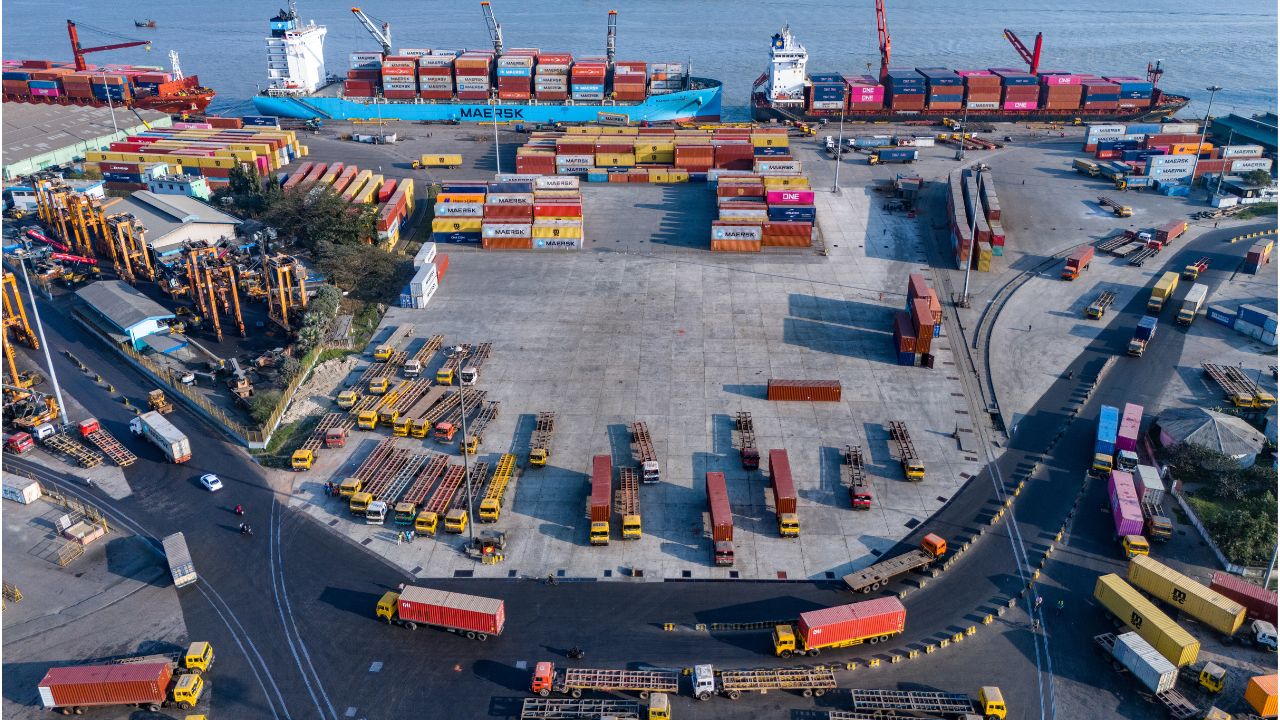


He revealed that corruption-related inefficiencies add nearly 10 percent of the overall logistics cost in Bangladesh, hindering the country’s export competitiveness and escalating trade expenses.
He stressed the need for collective action, digitalisation of port and customs systems, and strong industry alliances to ensure transparency and fair practices in operations.
Ruhullah also addressed the long-standing issue of arbitrary and unofficial “NOC charges” demanded by some declaring agents in a practice that is lacking legal grounds under customs or port regulations.
Following industry engagement and MACN-led coordination, Bangladesh Shipping Agents Association Chairman Syed Mohammad Arif had issued a circular on October 15, establishing transparent procedures for issuing no objection certificates (NOCs).
The directive ensures timely documentation, eliminates undue delays and prevents unjustified financial demands, he said.
Terming it a significant milestone, Ruhullah thanked the shipping agents association for taking decisive action and praised MACN Bangladesh for its leadership in driving reform.
Tafsir Uddin Bhuiyan, additional commissioner of customs, and other presenters from the CPA and Mercantile Marine Office discussed ongoing initiatives.
This included the Port Community System, National Single Window, operational reforms, and specialised integrity training. These initiatives aim to strengthen a culture of ethical port management and enhance their efficiency.
MACN South Asia Lead Mathias Bak highlighted how facilitation payments and informal charges undermine competitiveness and investor confidence. He also shared successful case studies from Nigeria, India and Argentina, where MACN’s collective-action model has significantly reduced corruption while improving trade facilitation and predictability.
In their concluding remarks, organisers noted that “integrity is not a cost – it is an investment in Bangladesh’s global reputation and economic future.”
They committed to further expanding grievance-reporting tools, capacity-building programmes, and collaborative monitoring systems to ensure corruption-free ports.
With the campaign underway, Bangladesh is poised to strengthen its position as a reliable regional maritime trade hub– fostering fair business practices and reducing operational inefficiencies burdening the logistics sector.