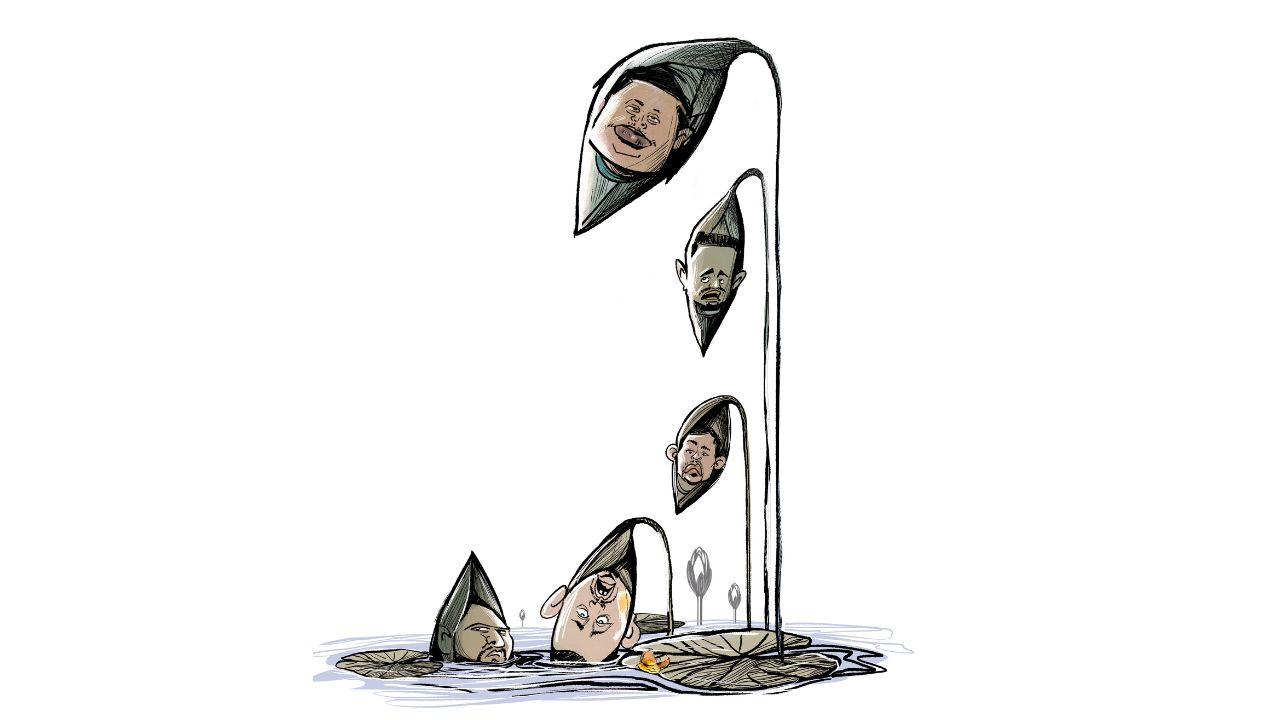
Nepal’s youngest mayor-turned-prime minister, Balendra Shah, has brought anti-corruption drives and wholesale reforms in governance to the fore since taking oath around 60 days ago.
His first surprise was the inclusion of 10 young MPs, aged below 40, in his 15-strong Cabinet. But the Cabinet’s abrupt decisions to arrest the former prime minister, KP Sharma Oli, within a couple of hours after the swearing-in ceremony, launch probes into alleged financial irregularities by two other former premiers and several business tycoons, dismiss hundreds of top office-bearers in public institutions, and impose a strict ban on student politics created a stir.
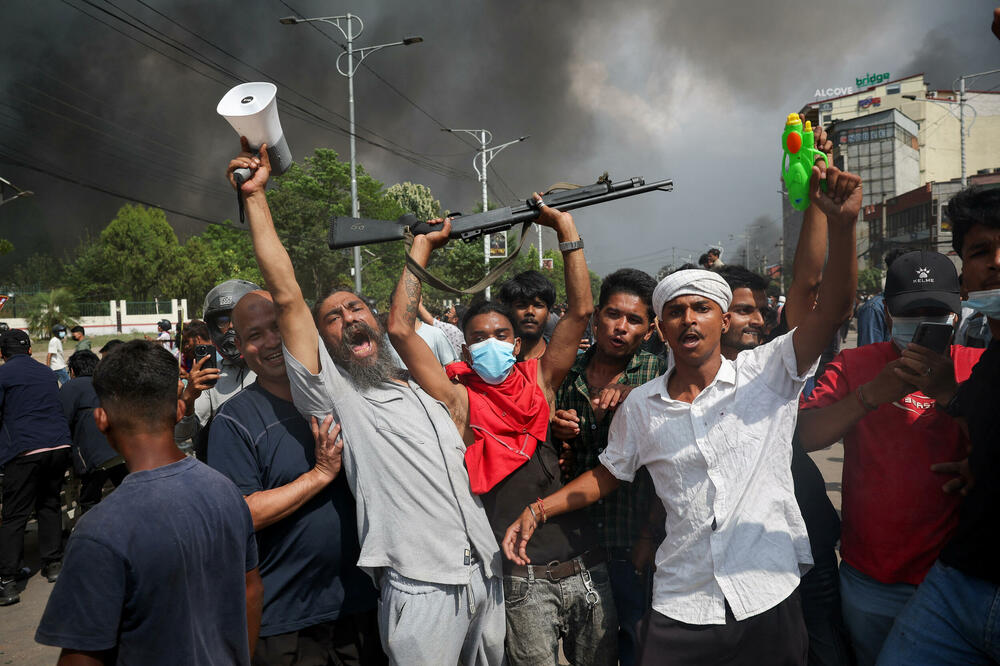
His followers in the Gen Z community, however, lauded the steps as they love their new prime minister, Balen Shah—a charismatic social media influencer, rapper, and structural engineer—and dubbed the arrest of Oli and former home minister Ramesh Lekhak as justice to the martyrs of the 2025 movement.
Oli’s supporters waged protest processions in Kathmandu and elsewhere, terming the arrests political vengeance, but were suppressed by the riot police, who used batons and arrested some of the protesters. Oli, who had been kept in hospital since his arrest, later secured bail.
Soon after, the government announced its 100-point agenda, demonstrating its commitment to administrative restructuring, anti-corruption drives, digital service delivery, justice for Gen Z protest victims, and depoliticizing bureaucracy in the first 100 days.
The agenda focuses on key immediate decisions, including forming a high-level inquiry committee within one week for the incidents of violence on September 8-9, 2025, an empowered asset investigation committee within 15 days to probe the illicit wealth of leaders and officials since 1990, forming a constitution reform committee, and an announcement of banning party-based student politics.
Balen also announced his 18-point national commitment framework in mid-April, but it has drawn more criticism for being unrealistic and highly ambitious.
Most recently, Balen and most of his Cabinet members came under severe criticism from the opposition in parliament for frequently skipping sessions. Balen also did not deliver a speech in the first session, as required by law.
First blow
On April 4, the government faced a major setback when the Pokhara municipality started an eviction drive against illegal encroachment in the Phewa Lake area, exposing a business venture by the home minister, Sudan Gurung, the Gen Z leader who had spearheaded the movement that forced Oli to resign.
On April 6, Gurung’s secretariat issued a formal clarification, claiming that he and his partners were deceived by the original landowners. He claimed the owners had explicitly concealed the property’s encroachment status and had assured them it was safe. Once he discovered it violated the 65-meter criteria several years ago, he voluntarily halted all construction and investment on moral grounds.

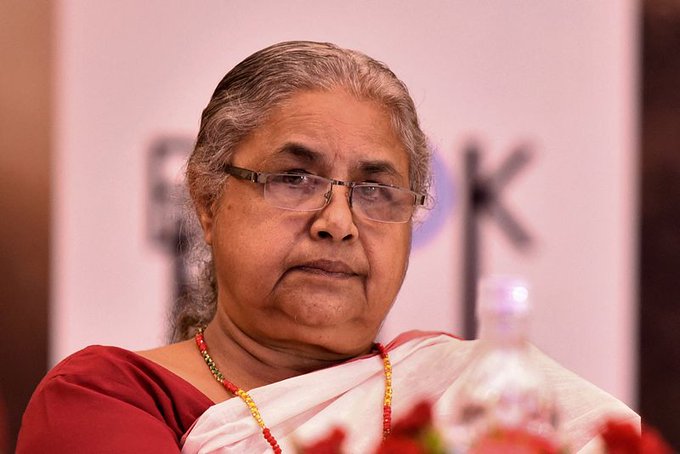
While he did not halt the eviction drive, the controversy ultimately severely damaged his public image as a fresh Gen-Z reformer, since Gurung and his partners did not officially terminate the lease. The 10 to 20 ropanis of land remained legally bound to them under a 15-year lease agreement. On the other hand, media investigations and local landowners revealed that Gurung’s venture had not paid rent for roughly 5 to 7 years.
The focus shifted soon, with the dismissal of the labor minister, Dipak Kumar Sah, on April 9, on allegations of abuse of power in appointing his wife to the Health Insurance Board. Balen’s decision was again appreciated by various quarters.
Dubious assets
On April 12, Balen Shah, Gurung, and other members of the Cabinet drew widespread public concern and criticism after they disclosed property details, including land, gold, cash reserves, investments in the share market, and vehicles.
Major questions were raised about the properties owned by Gurung, a volunteer who had established Hami Nepal in 2015 and had received numerous grants from Western companies and controversial local businessmen. Before this, Gurung worked as a DJ at a nightclub in the upscale Thamel area, earning a modest income.
But he defended his property details, saying: “When you are born poor, that is not your fault; but if you die poor, that is your fault,” he wrote on Instagram. “Earning wealth without corruption before joining the government is not a sin; earning through corruption after joining government is a sin.”
According to his asset details, Gurung bought shares worth Rs5,335,580 between January 29 and March 22. This shows that he began purchasing shares in the secondary market about five months after the Gen Z movement. Records show him actively buying shares after the election on March 5, up until five days before he was appointed home minister.
Social media users and the mainstream media outlets highlighted major discrepancies in his financial background, questioning how someone who previously shared emotional stories of severe financial struggles could suddenly declare a massive real estate portfolio in Gorkha and substantial share investments.


At that time, during the remand of controversial businessman Deepak Bhatta in a money laundering case, Gurung’s irregularities and conflicts of interest over his shareholdings in micro-insurance companies again came under heavy scrutiny and mounting demands for his resignation. On April 22, Gurung resigned at the prime minister’s direction.
In May, the government established a three-member panel, led by a former high court judge, to rigorously investigate his financial dealings and public allegations. Prime Minister Balendra Shah assumed the home portfolio himself during this period.
Hami Nepal claims its donors are its activists, but some backers have questionable ties. For example, Deepak Bhatta of Infinity Holding was a mediator in an arms procurement deal for Nepal Police and was accused of corruption in 2022; Shanker Group’s top official Sulab Agarwal was arrested in April 2020 on charges of black-marketing infrared thermometers; and Dr Sanduk Ruit, founder of the Barbara Foundation, had close ties to the CIA. It has also received support and funds from several Nepali organizations, such as Albatroos, actors and media personalities like Priyanka, Khadki, and Swasmita Khadka, and big brands like Coca-Cola, Al Jazeera, Glodster, Mulberry Hotels, and Time Pharmaceuticals.
Reckless Balen
September 2, 2023, is a memorable day for Balen Shah, who was elected the mayor of Kathmandu in 2022. Around 9pm, a municipal vehicle with government registration, carrying his wife, Sabina Kafle—a public health professional and social media figure—was stopped by traffic police for a routine check. The officer asked the driver for permission to use a government vehicle on a public holiday (Saturday). The vehicle was not detained for more than two or three minutes, nor was it searched, and the officer let it go without recording the registration number. But the mayor reacted sharply: he phoned the Kathmandu Chief District Officer to inquire why the municipality vehicle was stopped and checked. He vented his anger on social media, saying he would “set Singha Durbar on fire” if any municipal vehicles were stopped by the government next time, terming it a “thief government.”
Allegations of recklessness, corruption, abuse of power, mismanagement, and irregularities against Balen Shah have been underreported in the media, apparently because of his constant accusations against the government and the children of political elites for similar offenses. After being elected mayor, Balen Shah aggressively removed illegal structures across Kathmandu by demolishing homes, shops, and commercial buildings. Although his actions were legally justified, his harsh and insensitive approach sparked outrage among the poor, as he did not provide adequate alternatives or compensation. He was also labeled rude and anti-poor when he launched a campaign to remove street vendors to clear Kathmandu’s sidewalks and make space for pedestrians.
Balen’s most sensitive controversy as mayor was displaying a map of “Greater Nepal” on the wall in his office, which depicted territories that were historically part of Nepal but are now within Indian borders, triggering diplomatic tension.
Not only the mayor but also his close group of advisers, known as “Team Balen,” is controversial for abuse of power and corruption, thus questioning his leadership and neutrality. Team Balen includes individuals such as Kumar Benjankar, Sunil Lamsal, Santosh Pandey, Shailendra Jha, Sudip Dhakal, Arjun Ghimire, Harishchandra Lamichhane, and Bhoopdev Shah, who serve in various advisory roles across departments.
Setback for RSP?
This was a major setback for the new government, led by the Rastriya Swatantra Party (RSP), which came to power in a landslide victory in the March 5 election, aiming to materialize the demands of the Gen Z movement, including an end to corruption and nepotism, ensuring good governance, transparency, and accountability, and driving economic growth.
The Sushila Karki-led interim government estimated that at least 2,671 buildings were destroyed, burned, and looted, and 12,659 cars were set ablaze on September 8-9, 2025, causing a loss of Rs84.45 billion.
In the two days, 77 people, including 22 protesters and 10 runaway prisoners, were killed. Only 45 of them were declared martyred. The list includes 20+ protesters, who were killed while looting and vandalizing different establishments.
Even after the mindless violence, the situation did not spiral out of control as it did in Bangladesh, thanks to timely intervention by the Nepal Army. Thereafter, the interim administration led by former chief justice Sushila Karki took effective steps to restore normalcy: it formed a high-powered commission to investigate the deaths and arson attacks, arrested over 400 anarchists, and appointed figures with clean images as cabinet colleagues.
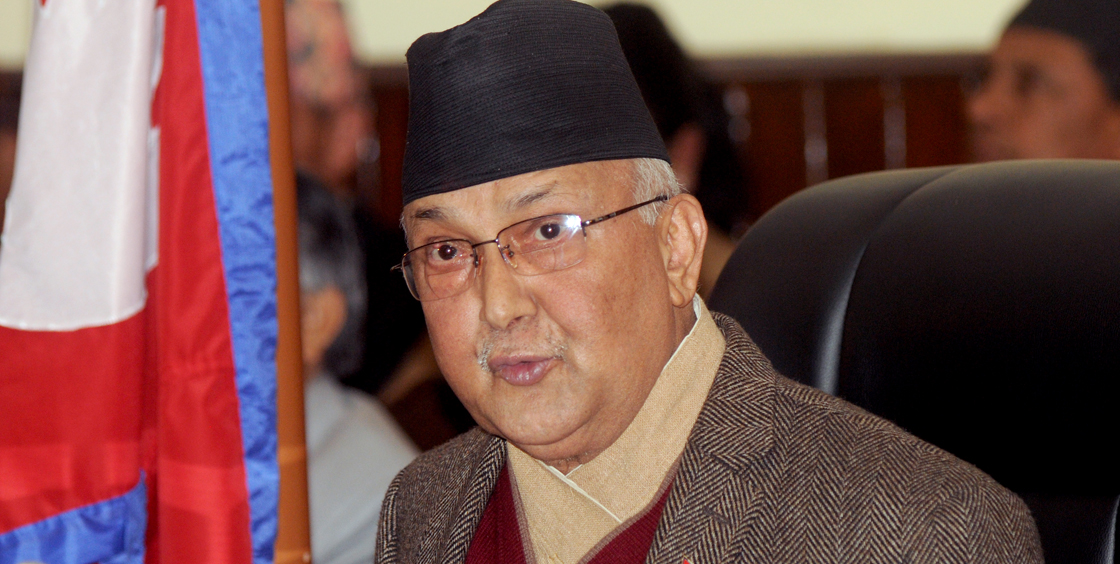
Photo; Keshab Thoker/Nagarik/republica
Within weeks, the Gen Z leaders and patrons divided into dozens of groups over issues of leadership, the formation of the interim government, and election modalities. Patrons like Balen and Gurung faced opposition even during press conferences. Social media platforms were flooded with allegations of corruption, abuse of power, reckless and discourteous behavior, foreign backing, and unethical practices by Gen Z leaders. The mainstream media, as well as the architects of the regime-change blueprint, remained silent on these allegations in an attempt to make them more acceptable to the common people.
The campaigns by Hami Nepal and other like-minded influencers echoed the narratives of foreign rights groups, controversial Western donors like the National Endowment for Democracy (NED), USAID, Open Society Foundations of George Soros, civil society leaders, journalists’ blocs, and opposition parties. Seminars, street protests, and critical reports dominated the political arena in the Himalayan nation of some 30 million people, most of whom maintain a nationalist spirit and are less politically conscious or revolutionary than Gen Zs.
In December, Sushila Karki said in a statement that, despite being pressed by Gen Z-led mobs, her government would not let Nepal become another Bangladesh, apparently pointing at the mindless mob violence, nepotism, politicization, and an absence of rule of law.
Former TV anchor-turned-politician Rabi Lamichhane formed the party in 2022 and lent support to the government led by Prachanda. After Rabi’s arrest in October 2024, following accusations of cooperative fraud, Dol Prasad Aryal served as acting president.
In 2025, Rabi was freed from jail hours before Oli’s resignation, exposing the RSP’s role behind the violent protests. After being jailed again by the interim government under the law, he was finally released in mid-December, three months before the elections, following the deposit of Rs 374.84 million.
Before the cooperatives case, Rabi was implicated in several other cases and faced allegations of favoritism and abuse of power before and after becoming the deputy prime minister and home minister. He is accused of inciting the suicide of a journalist, for not following due process in obtaining a new Nepali citizenship after renouncing his American citizenship in 2017, having dual passports unlawfully, and misusing funds raised through his Rabi Lamichhane Foundation, established to build a hospital in Raskot, Kalikot.
He is also accused of having an extramarital affair with a foreign woman while still married to Isha Lamichhane. His ex-wife claimed that this affair resulted in the birth of a son outside their marriage. Before his divorce from Isha, Lamichhane was also linked to Nikita Poudel. Reports alleged that while Isha was living in the United States, he was engaged in a relationship with Poudel, whom he married just days after his divorce in 2019.
The RSP, the largest party among Gen Zs, came under severe criticism for selling its nominations to new faces and neglecting the contributions of its leaders, many of whom resigned in the run-up to the elections.
To seal its victory, RSP Chairman Rabi Lamichhane sat with its previous allies, including the former prime minister, Pushpa Kumar Dahal “Prachanda,” courted 42 politicians from other parties, and welcomed Balen Shah as its party’s prime minister candidate. Balen joined the RSP with 30 of his close aides, including Gurung, and most of them won the March 5 elections.
While the RSP won almost two-thirds of the majority in the House of Representatives, defeating the political giants like Oli’s Communist Party of Nepal (Unified Marxist–Leninist), Prachanda’s Communist Party of Nepal (Maoist Centre), and Gagan Thapa’s Nepali Congress, only a handful of opposition members have become vocal against the Balen government’s missteps and show-offs, significantly shifting public outrage.
Post-resignation hype
Most recently, the media focus shifted towards eviction drives against households and businesses to free government land along rivers and canals, since the government neither issued notices nor cared to ensure the rehabilitation of the affected people beforehand. Apart from the locals, civil society leaders and the United Nations expressed concerns about the government’s reckless approach.
Some likened the drives and reactions to Balen’s previous actions when he became the mayor of the Kathmandu municipality in 2022 as an independent candidate. Until his resignation on January 18, 2026, Balen’s tenure as mayor was also marred by controversies stemming from abuse of power and corruption by his team of advisers, who managed everything on his behalf.
At that time, both Balen and Gurung were vocal on social media, alongside a section of the media and the civil society, raising public awareness against the incumbent government’s corruption and the lavish lifestyles of the sons and daughters of the politicians, terming them “nepokids”—the popular issues that they highlighted during the September Gen Z movement.
Now that similar allegations are surfacing against Balen, most of his cabinet members, and newly appointed office-bearers, along with hollow promises of economic development and his hostility towards India and China, coupled with his romance with the US, political observers fear that the incumbent government may face mounting pressure for another mid-term election. His government’s reluctance to investigate the violent incidents of September 9, 2025, and attempts to hide the involvement of members of the RSP and Hami Nepal in promoting arson attacks that surfaced in Discord chats will raise more questions.
The government’s 18-point national commitment framework, announced in mid-April, triggered further criticism, with opposition parties and experts calling it highly ambitious, ambiguous, and political rhetoric.
The framework included a massive administrative overhaul to remove over 1,200 “political appointees” across major state institutions through an ordinance; dissolving 12 national-level civil and health trade unions to eliminate “sleeper cells” and political interference in the bureaucracy; banning party-affiliated student organizations within educational institutions; targeting a $3,000 per capita income from $1,200-1,660 baseline; doubling the GDP to $100 billion from the current $49 billion; and with an emphasis on digital governance and 1.5 million job creations within the next five years. Most plausible but still very difficult is the target of producing 28,500–30,000MW by 2035 from the current 4,000MW+, despite prospects in hydropower.