In modern conflicts, war is no longer fought only with missiles and drones. Increasingly, it is also fought with images, videos and narratives circulating at lightning speed across social media. The recent tensions involving Iran have highlighted a new and troubling dimension of warfare: the rapid spread of AI-generated misinformation.
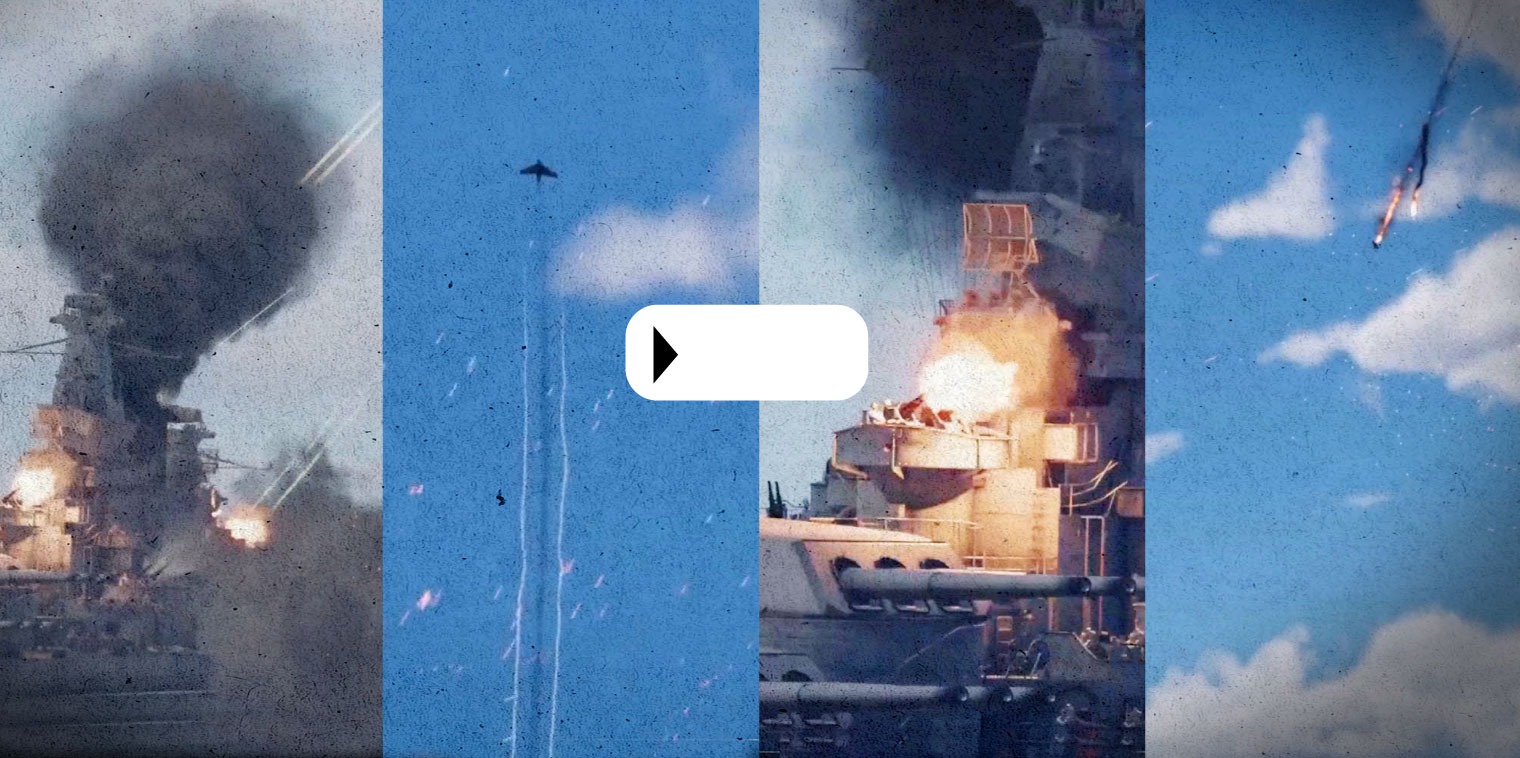
As developments unfolded, social media platforms were flooded with dramatic footage claiming to show missile strikes, devastated cities and massive explosions. Many of these clips appeared authentic and quickly gained millions of views. But investigators later discovered that a significant number were either manipulated or entirely generated using artificial intelligence.
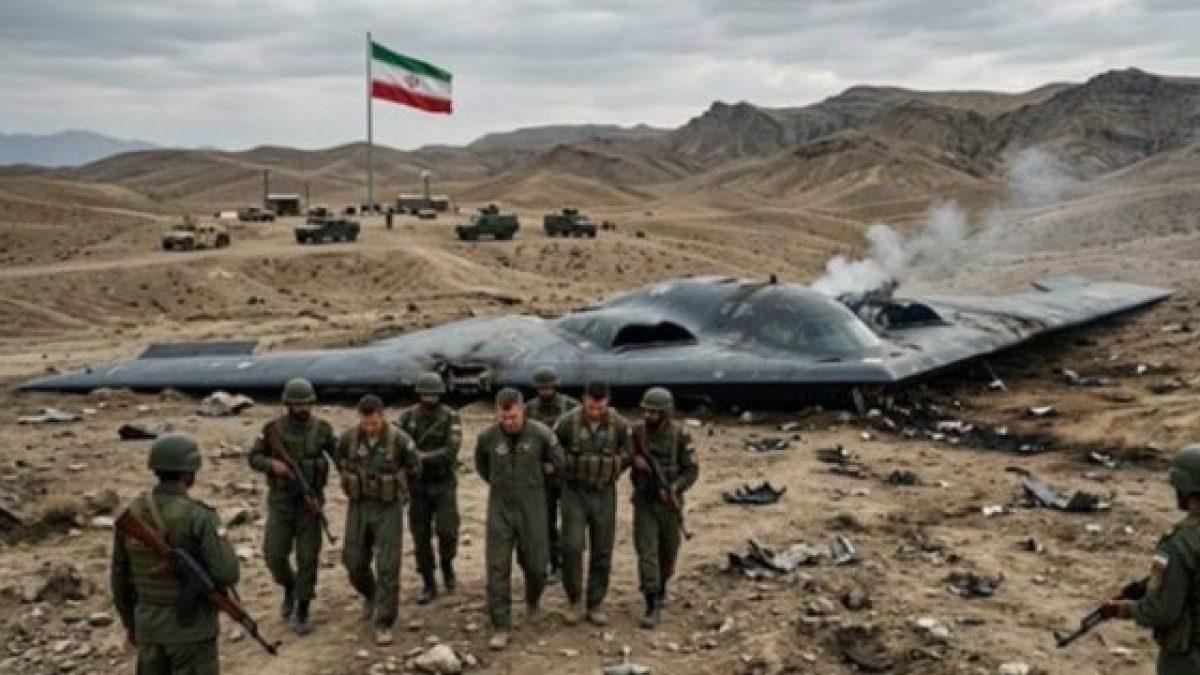
Some videos were created with advanced generative tools capable of producing highly realistic scenes of destruction. Others recycled footage from video games or older conflicts, repackaged with misleading captions. In the fast-moving environment of online news, these visuals often spread far faster than fact-checkers could debunk them.

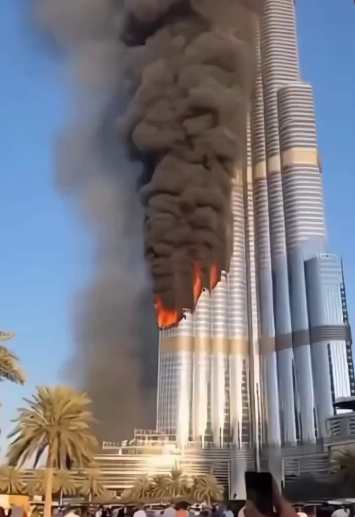
The result is a powerful form of digital confusion. In moments of crisis, people naturally turn to social media for immediate updates. When convincing but fabricated images appear online, they can shape public perception long before verified information emerges.




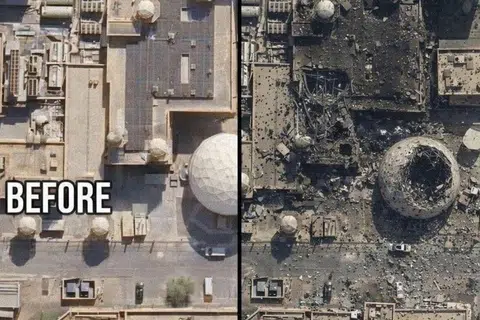
Experts say this wave of synthetic content represents one of the first times AI-generated media has been deployed at such scale during an active geopolitical crisis. The technology allows almost anyone to produce realistic war imagery within minutes, making it difficult to distinguish genuine reporting from fabricated content.
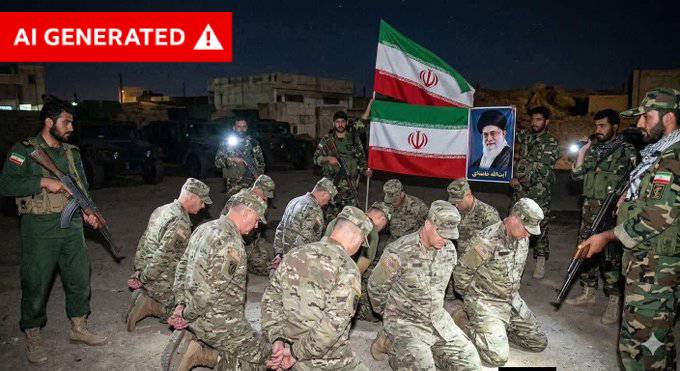
Technology companies are struggling to respond. Platforms such as Meta Platforms have faced criticism for not doing enough to label or remove manipulated visuals. Critics argue that relying on users to voluntarily disclose AI-generated content is insufficient during sensitive moments such as wars or political crises.
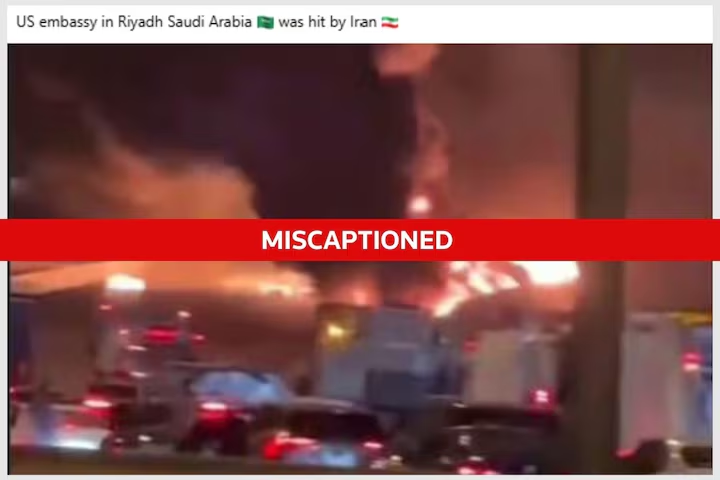
Beyond confusion, the consequences can be serious. False visuals can inflame public emotions, influence political debates and deepen mistrust between nations. Images of alleged attacks or casualties, even if fake, can quickly circulate and shape global narratives.
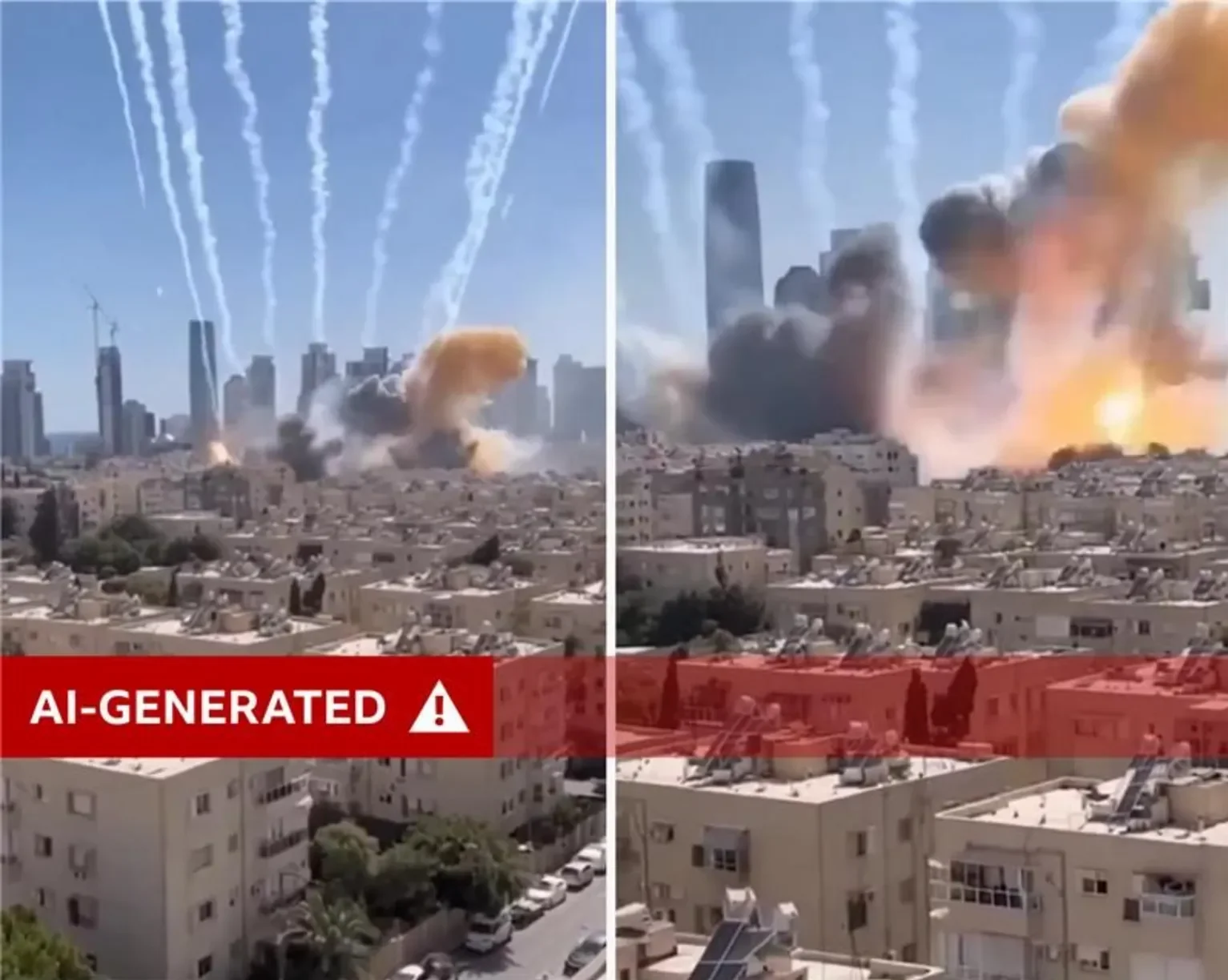
The conflict surrounding Iran shows that warfare is entering a new era, one where battles are fought not only on the ground but also across timelines and news feeds.
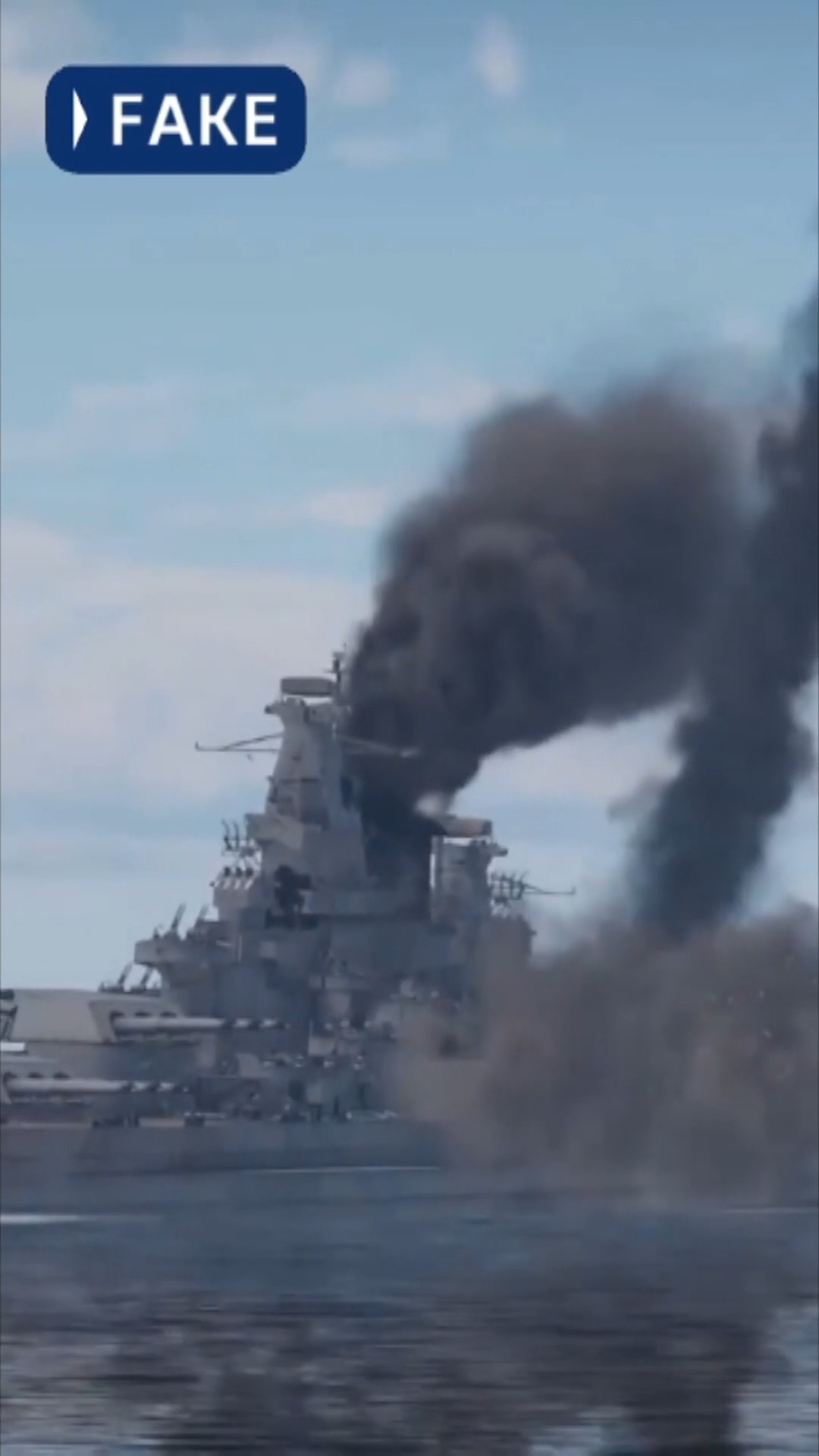
In this emerging digital battlefield, the most powerful weapon may not be military force, but perception. When artificial intelligence can manufacture convincing realities, protecting the truth becomes one of the greatest challenges of our time.