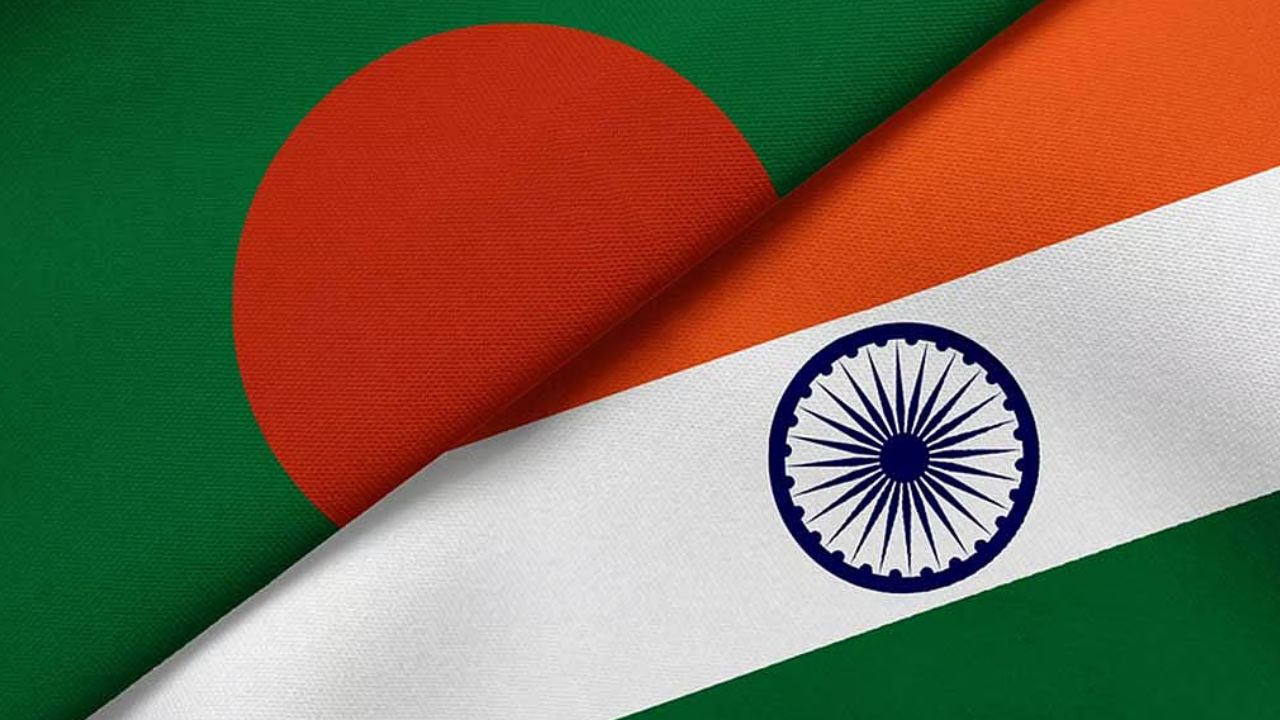
Suvendu Adhikari on Saturday took the oath as the first chief minister of a Bharatiya Janata Party-led government in West Bengal, marking a historic political transition in the eastern Indian state that shares deep geographic, cultural, and economic ties with Bangladesh.
The swearing-in ceremony at Kolkata’s Brigade Parade Ground was attended by Indian Prime Minister Narendra Modi, Defence Minister Rajnath Singh, Home Minister Amit Shah, BJP president JP Nadda, Assam Chief Minister Himanta Biswa Sarma, Uttar Pradesh Chief Minister Yogi Adityanath, and Andhra Pradesh Chief Minister N. Chandrababu Naidu.
The BJP secured 207 seats in the 294-member state assembly, ending the 15-year rule of the All India Trinamool Congress (TMC), led by former chief minister Mamata Banerjee. The election outcome is being closely watched in Dhaka, where policymakers and analysts are assessing how the new political landscape in West Bengal could influence Bangladesh–India relations.
Greater coordination expected
Diplomatic observers believe the BJP’s victory could create conditions for smoother coordination between New Delhi and Kolkata, particularly on issues that had previously faced political resistance at the state level.
Former Bangladeshi ambassador Md Abdul Hye said the change in leadership offers India’s central government an opportunity to pursue bilateral initiatives with greater policy alignment.
“Political leaders may mobilise emotions during elections, but ultimately people expect development, stability and improvement in living standards,” he said.

Former ambassador Mahbub Hassan Saleh noted that the political transition carries both opportunities and challenges for Bangladesh.
“The core relationship is maintained between Dhaka and Delhi, but developments in West Bengal do influence the broader environment of bilateral relations,” he observed.
Analysts say the biggest implication of the BJP victory may lie in the removal of political friction between India’s central and state governments, which had often complicated decision-making on key bilateral issues. One prominent example is the long-delayed Teesta Water Sharing Agreement, which faced resistance from the previous West Bengal administration despite support from New Delhi.
With the BJP now governing both the centre and the state, expectations are growing that stalled negotiations and connectivity projects could receive renewed momentum.




Concerns over changing social dynamics
At the same time, the election has intensified debate over the evolving social and political character of West Bengal, a state historically known for its secular traditions and vibrant civil society.
Identity-based politics and religious polarisation have become increasingly visible during and after the election campaign. Critics argue that sections of the BJP campaign relied heavily on nationalist and identity-driven rhetoric aimed at consolidating Hindu voters, raising concerns among minority communities and those advocating secular politics.
Reports of attacks on some beef-selling butcher shops after the election have added to anxieties that communal tensions could deepen in the coming months.
Some analysts fear that if anti-Muslim or anti-Bangladesh rhetoric becomes more prominent in local politics, it could negatively affect public perceptions of India in Bangladesh.
Still, many experts believe that governance realities and economic priorities will eventually encourage moderation and stability.
Border concerns re-emerge
The political transition has also coincided with renewed tensions along the Bangladesh–India border. Just hours before the oath-taking ceremony, two Bangladeshi nationals were killed by India’s Border Security Force (BSF) near Kasba upazila in Brahmanbaria district late Friday night. The incident came after a relatively calm period of nearly two months along the border and has triggered concern in Bangladesh over the possibility of renewed friction.
There is also growing speculation among observers that alleged “push-in” operations involving disputed Indian citizens could increase along the West Bengal border, similar to controversies previously associated with Assam. Such developments, analysts warn, could create new irritants in bilateral relations if not carefully managed by both sides.
Balancing politics and diplomacy
Despite these concerns, diplomats and regional experts emphasise that Bangladesh–India relations are ultimately shaped at the national level, with both capitals recognising the strategic importance of cooperation. Mahbub Hassan Saleh pointed out that while West Bengal can influence certain policy areas, especially water-sharing, the broader direction of the relationship is determined by Dhaka and New Delhi.
He cautioned, however, that inflammatory rhetoric and heightened nationalism could complicate diplomatic efforts if left unchecked. “The victory may have positive implications for policy coordination, but there is also a risk that anti-Bangladesh and anti-Muslim narratives could intensify,” he said.
Leadership will shape the next phase
Experts argue that the coming months will largely depend on how political leaders in both countries choose to manage public sentiment and regional realities. Abdul Hye stressed that domestic political narratives often influence bilateral discourse, but responsible leadership remains essential for regional stability.
“Politicians may engage in aggressive rhetoric for domestic audiences, but they are also responsible for maintaining peace and stability in the region,” he said. He warned that politicians should not play with fire while addressing emotions.
He added that it is still too early to draw definitive conclusions about the long-term implications of the election, but a pragmatic approach by political leaders could strengthen people-to-people ties and create a more positive environment for cooperation.
For Bangladesh and India, the stakes remain high. Trade, connectivity, water sharing, and regional security are deeply interconnected, making sustained engagement a strategic necessity for both neighbours.
As the BJP begins a new chapter in West Bengal, both Dhaka and New Delhi appear to have an opportunity to move beyond political friction and focus on areas of shared interest that could reinforce stability and prosperity across the region.