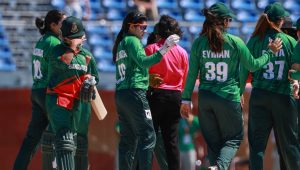
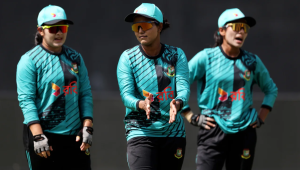
The World Cricketers’ Association sounded the alarm on Sunday after Bangladesh missed next month’s T20 World Cup, calling the absence a sad moment for the game following the ICC’s decision to keep matches in India despite safety concerns.
Bangladesh pulled out after refusing to tour India amid strained political relations, and the ICC moved quickly to replace them with Scotland in the 20-team tournament starting on February 7. The board rejected Bangladesh’s request to shift their fixtures to co-host Sri Lanka, arguing the schedule left no room to manoeuvre.
“The withdrawal of Bangladesh from the T20 World Cup, and resulting absence of a valued cricketing nation from cricket’s pinnacle international T20 event, is a sad moment for our sport, the Bangladesh players and fans, and one that requires deep reflection.” Tom Moffat’s words cut through the noise, and he is right to frame this as more than a logistical headache.

Bangladesh do not just bring numbers; they bring noise, colour and a fiercely loyal fanbase. Removing them drains part of the tournament’s soul and leaves supporters paying the price for decisions made far above the dressing room.
“Rather than allowing division or exclusion to take hold, we call on the game’s leaders to work with all stakeholders, including Governing Bodies, leagues and players, to unite the sport, not divide it …” That call lands heavily in a sport already stretched by politics and power plays.




The situation also throws a harsh light on how global cricket handles conflict. India and Pakistan already operate under special arrangements, with neutral venues stepping in when politics block travel, yet Bangladesh found no such flexibility when tensions flared.
Pakistan’s own position underlined the instability. “The prime minister is not in Pakistan right now. When he returns, I’ll be able to give you our final decision,” Mohsin Naqvi said, a quote that neatly sums up how uncertainty now hangs over major tournaments.
Moffat pushed further, pointing to deeper structural flaws. “It also highlights significant issues with the game’s existing operating model at global level,” he said, and it is hard to disagree when agreements bend and players learn decisions second-hand.
“These issues, if continued to be left unaddressed, will weaken trust, unity, and ultimately the health and future of the game we love.” That warning should ring loudly in boardrooms, because a World Cup without Bangladesh feels smaller, colder and uncomfortably fractured.