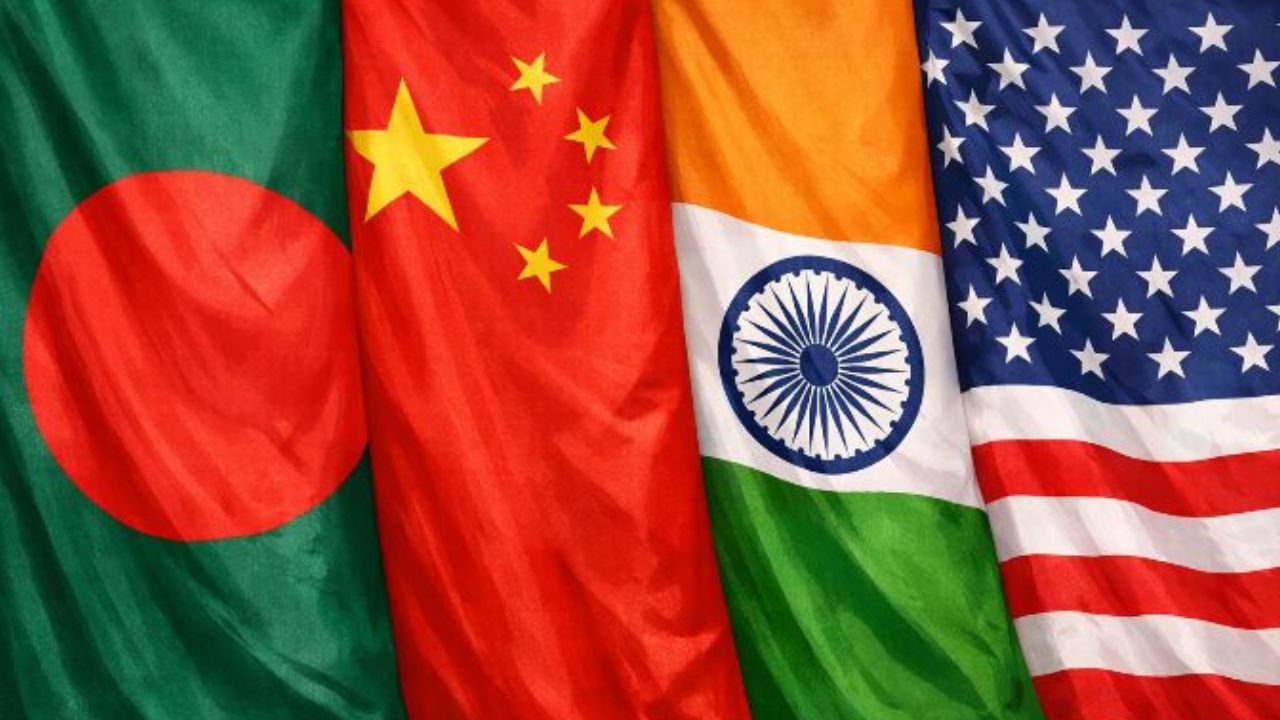

The United States is preparing to offer Bangladesh’s next administration a range of American and allied defence hardware as an alternative to Chinese military equipment.
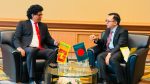
Washington’s ambassador to Dhaka, Brent T Christensen, expressed concerns regarding Beijing’s increasing footprint in South Asia, stating that the US is dedicated to collaborating with the Bangladeshi government to highlight the potential risks of certain engagements with China.
This diplomatic push arrives as the nation prepares for a general election this Thursday, reports Reuters.
The political landscape has shifted significantly since August 2024, when a student-led revolt, driven by “Gen Z,” resulted in the removal of the then India-aligned prime minister Sheikh Hasina.
Since Hasina sought refuge in New Delhi, China has capitalised on India’s diminishing presence to strengthen its ties with Dhaka.

Foreign diplomats have noted several developments with concern, including a recent defence pact for China to construct a drone manufacturing facility near the border with India.
Furthermore, Bangladesh is reportedly in discussions with Pakistan regarding the acquisition of JF-17 Thunder fighter jets, a multi-role aircraft developed in partnership with China.
In response to these concerns, the Chinese foreign ministry asserted that its relationship with Bangladesh is a comprehensive strategic partnership intended to benefit both nations.


The ministry emphasised that their security and economic cooperation is not aimed at any third party and declared that they would not permit external interference in their bilateral affairs.
While Ambassador Christensen confirmed the US is ready to provide various military options, he did not elaborate on specific hardware packages.
Commercial diplomacy and regional stability
Ambassador Christensen indicated that the administration of President Donald Trump desires a stable relationship between Dhaka and New Delhi to ensure regional security.
Bilateral ties between India and Bangladesh have deteriorated since the change in government, leading to disruptions in cricket fixtures and visa processing.
Strengthening economic ties remains a primary objective for Washington. Christensen noted that while many American firms are interested in the Bangladeshi market, they are waiting for clear indications from the incoming government that the country is “open for business.”
Currently, major American brands like McDonald’s and Starbucks are absent from the country. Despite the long-term presence of the energy giant Chevron, many prospective investors are deterred by high taxation and obstacles related to the repatriation of profits.
Electoral outlook and humanitarian aid
The US envoy stated that Washington intends to work with whichever leadership the Bangladeshi people elect. Current polling suggests that the Bangladesh Nationalist Party (BNP) holds a lead in a contest largely between two coalitions led by the BNP and the Islamist Jamaat-e-Islami.
On the humanitarian front, the US continues to be the primary provider of aid for the 1.2 million Rohingya refugees residing in Bangladesh.
The ambassador highlighted a recent $2 billion global funding agreement with the United Nations designed to enhance the delivery of health and humanitarian services.
However, Christensen cautioned that the US cannot maintain this level of support indefinitely and urged the international community to increase its contributions.
Funding shortfalls at the UN refugee agency have already resulted in the closure of schools and reductions in food rations for the refugee population.