Bangladesh will soon send a trade delegation to Sri Lanka to assess the feasibility of exporting Bangladeshi potatoes to Sri Lankan market.
The delegation will also examine potential opportunities for exporting onions. Through this initiative, Bangladesh expects to create new export markets for agricultural products while boosting bilateral trade between the two nations.
The discussions took place during a bilateral meeting between Bangladesh’s Minister of Commerce, Industries, and Textiles and Jute, Khandoker Abdul Muktadir, and Sri Lanka’s Minister of Trade, Commercial Activities, Food Security and Co-operative Development, Wasantha Samarasinghe.
The meeting was held on Thursday as a side event on the second day of 11th Belt and Road Summit 2026 in Hong Kong.

During the session, both ministers discussed Bangladesh’s agricultural production capacity, the potato pricing situation in Sri Lanka, and challenges within the regional supply chain system.
Muktadir said despite fulfilling local demand, Bangladesh retains a significant surplus of potatoes and onions, necessitating the creation of new export markets. He added that new potatoes are currently retailing in the domestic market at Tk25 to Tk30 per kg.
Owing to relatively low production costs and competitive pricing, Bangladeshi potatoes hold strong prospects in Sri Lanka.




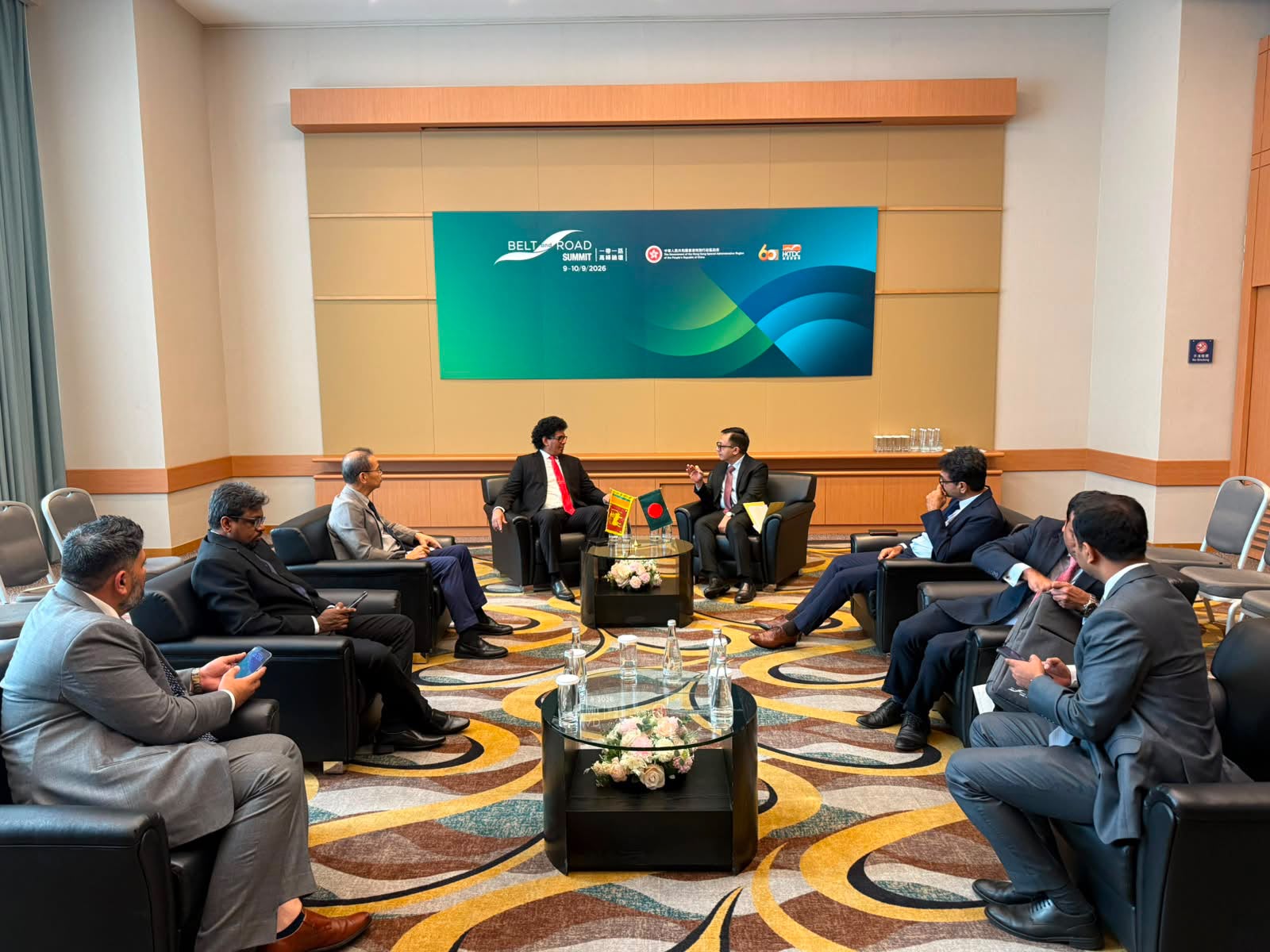
Wasantha Samarasinghe expressed keen interest in importing potatoes and onions from Bangladesh, mentioning that strengthening regional trade would bring positive outcomes for people across the region.
It was announced at the meeting that a trade delegation comprising representatives from Potato Association will be dispatched from Bangladesh to assess market demand, pricing, and commercial prospects in Sri Lanka.
The delegation will meet local traders and commercial bodies, including the Food Processors Association.
Muktadir called upon Bangladesh’s private sector to establish a long-term presence in Sri Lanka’s market.
He emphasised that retaining the export market requires ensuring a year-round supply of quality products alongside competitive pricing, adding that the feasibility of building warehousing and other infrastructural facilities in Sri Lanka will be evaluated if required.
Both sides expressed hope that, once implemented, the initiative will open new export markets for Bangladeshi agricultural goods.
Consequently, Bangladeshi farmers will have the opportunity to secure fair prices for their potato yield, while Sri Lankan consumers will benefit from purchasing potatoes at relatively affordable prices.