December holds a special significance in Bangladesh. It is the month when a nation broke free, a month filled with remembrance, gratitude and quiet pride. Across the country, memorials stand as markers of that victory. They are not just structures. They are places where history breathes.
Here is a travel-friendly guide to some of the most important Liberation War sites. Each place tells a piece of the larger story of 1971.
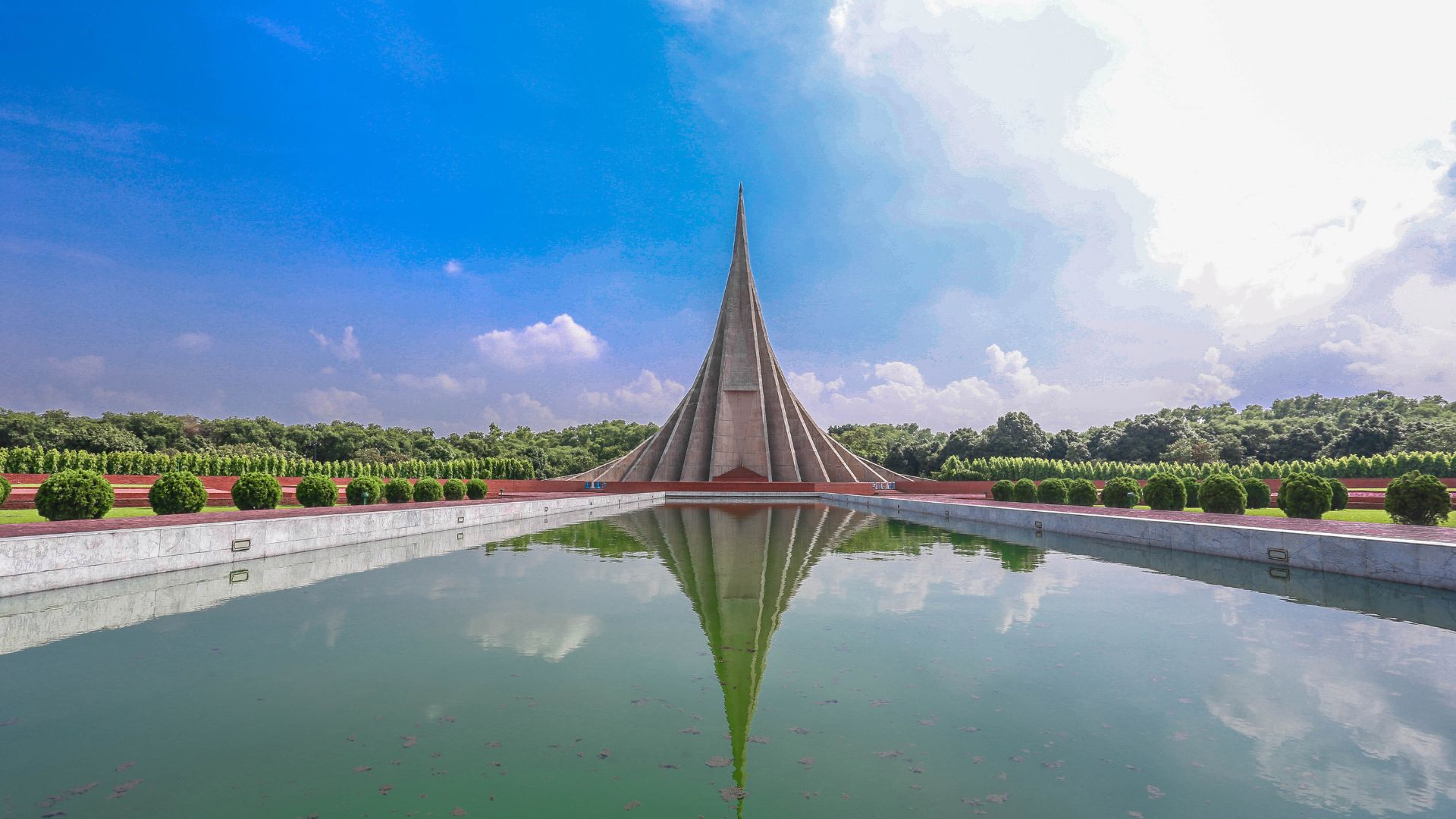
National Martyrs’ Memorial, Savar
This is the symbol of Bangladesh’s independence. Designed by architect Syed Mainul Hossain, the soaring concrete spires honour the millions who sacrificed their lives in 1971. The monument stands on vast, peaceful grounds. Walking through the green lawns feels like walking into history.
The place becomes especially emotional in December. People come to lay flowers, offer prayers, or simply stand in silence. Schoolchildren visit in groups. Families bring their young ones to tell them what freedom costs.
Savar is about 35-60 minutes from Dhaka, depending on traffic. The memorial is open throughout the day. Early morning light is perfect for photographs. Weekdays are quieter than weekends.
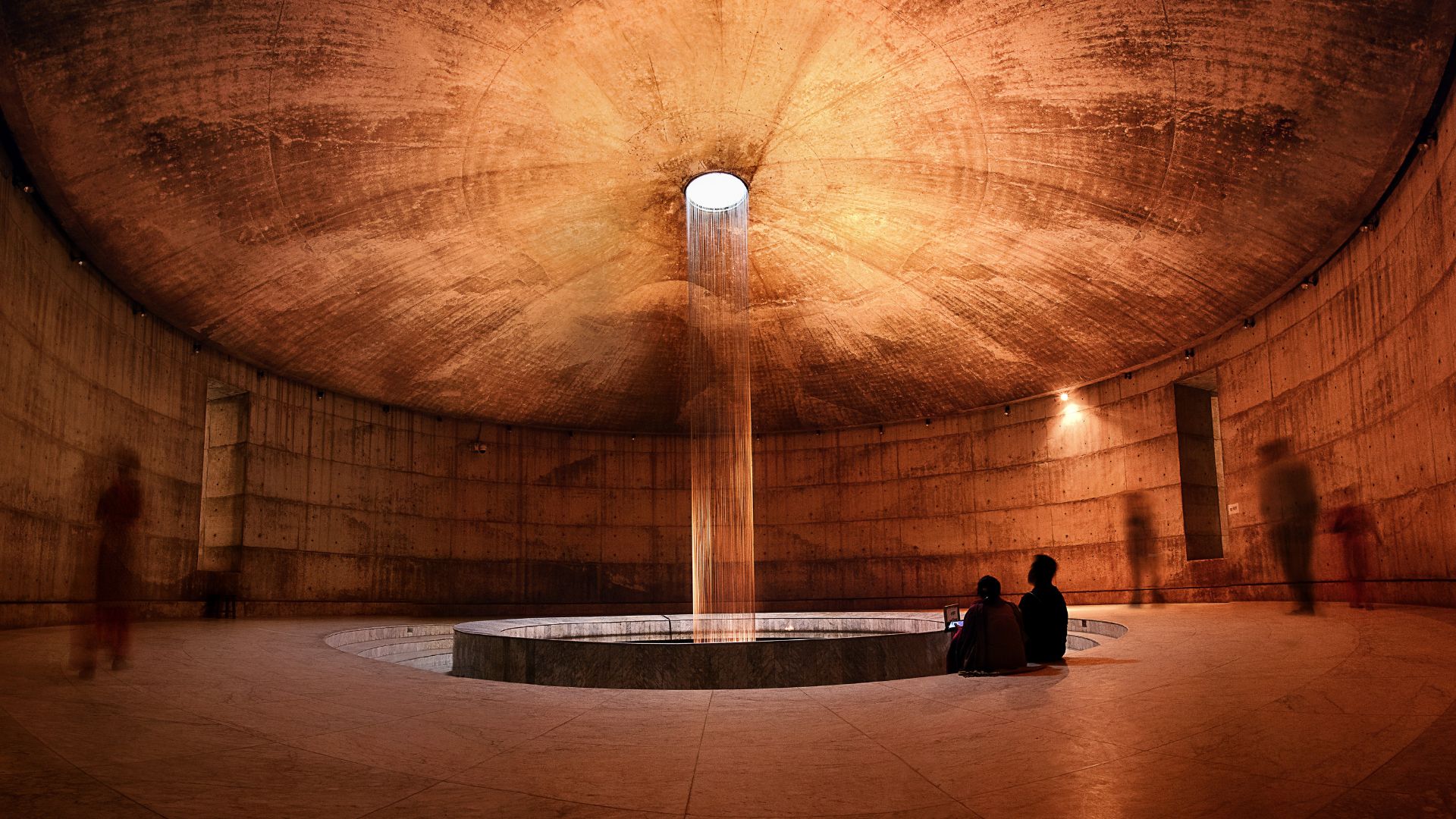
Swadhinata Stambha & Museum of Independence, Suhrawardy Udyan
This is where the Pakistani army surrendered on 16 December 1971. The moment that sealed Bangladesh’s victory happened right here in front of the world.

Today, the Swadhinata Stambha (Glass Tower of Independence) rises at the centre. It glows at night like a torch for freedom. The underground Museum of Independence takes visitors on a journey from the Language Movement to the final victory. Photographs, audio archives, maps and rare artefacts show how the struggle unfolded.
The eternal flame burns outside as a reminder of the cost of freedom.
Located in Shahbag, easy to access from anywhere in Dhaka. Evening visits offer the best view of the illuminated tower. The museum remains closed on certain public holidays, so checking before visiting helps.
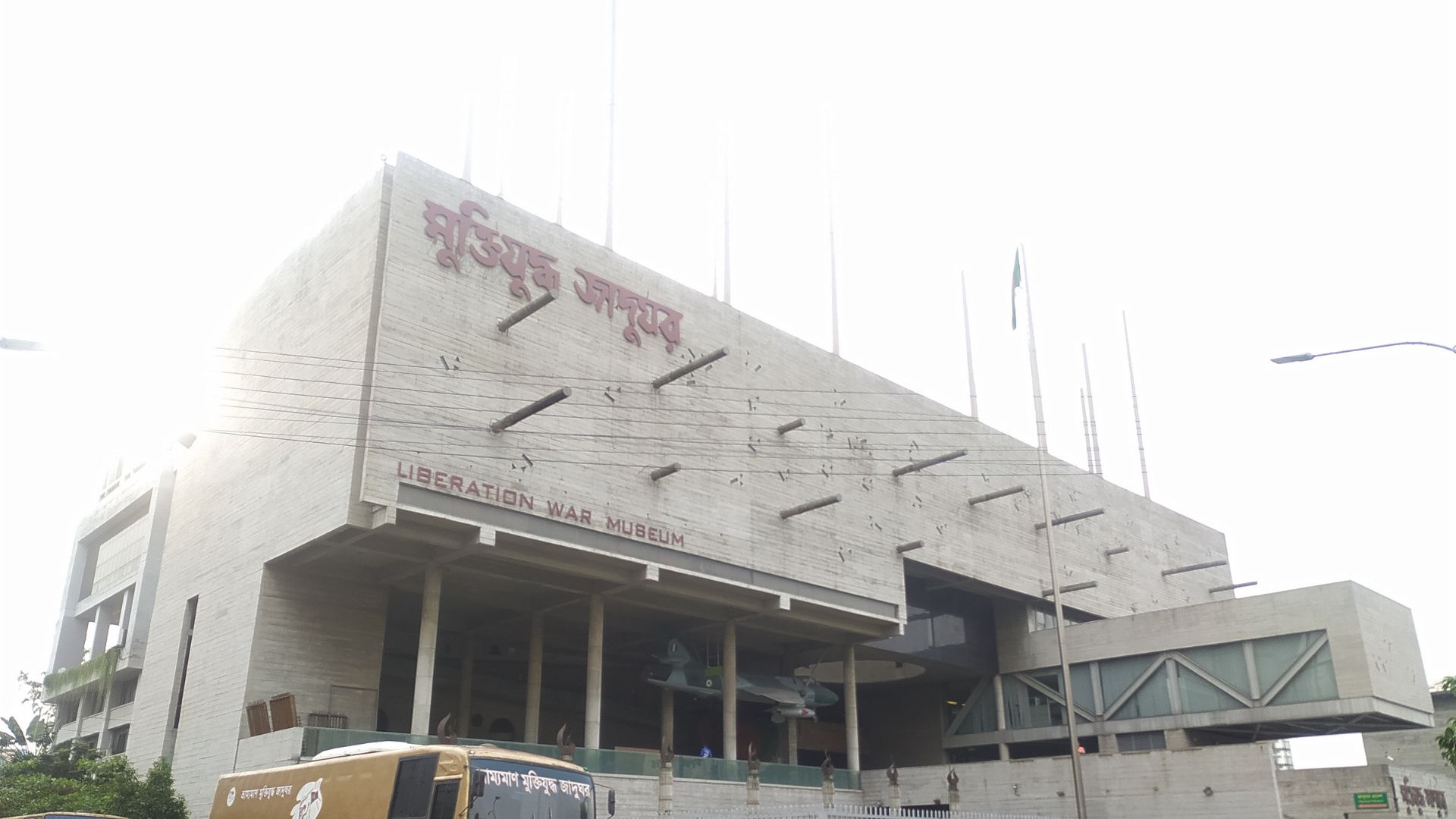
Liberation War Museum, Agargaon
This is the country’s most comprehensive archive of 1971. The museum holds uniforms, weapons, diaries, newspapers and personal belongings of martyrs. Testimonies from survivors make the experience deeply personal.
Each room is heavy with memory. Each display shows the human side of the war: families torn, resistance formed, and freedom won. Outdoor sculptures and an open courtyard add to the atmosphere of reflection.
It is a must-visit for anyone who wants to understand the timeline of 1971 in depth.
Located near Agargaon, close to the National Parliament area. Plan at least two hours for a full tour. Photography is allowed in certain sections.

Martyred Intellectuals Memorial, Rayer Bazar
On December 14, 1971, just two days before victory, the nation lost its finest minds. Teachers, doctors, engineers, journalists, all abducted, blindfolded and executed. Their bodies were dumped in the brickfields of Rayer Bazar.
The memorial stands at that very site. The cracked brick wall symbolises the broken heart of a nation. The still water beside it reflects the emptiness left behind. It is one of the most emotional memorials in Dhaka.
Located near Mohammadpur. Sunset adds a haunting beauty to the place. The surrounding area can be crowded, so early evening is ideal.
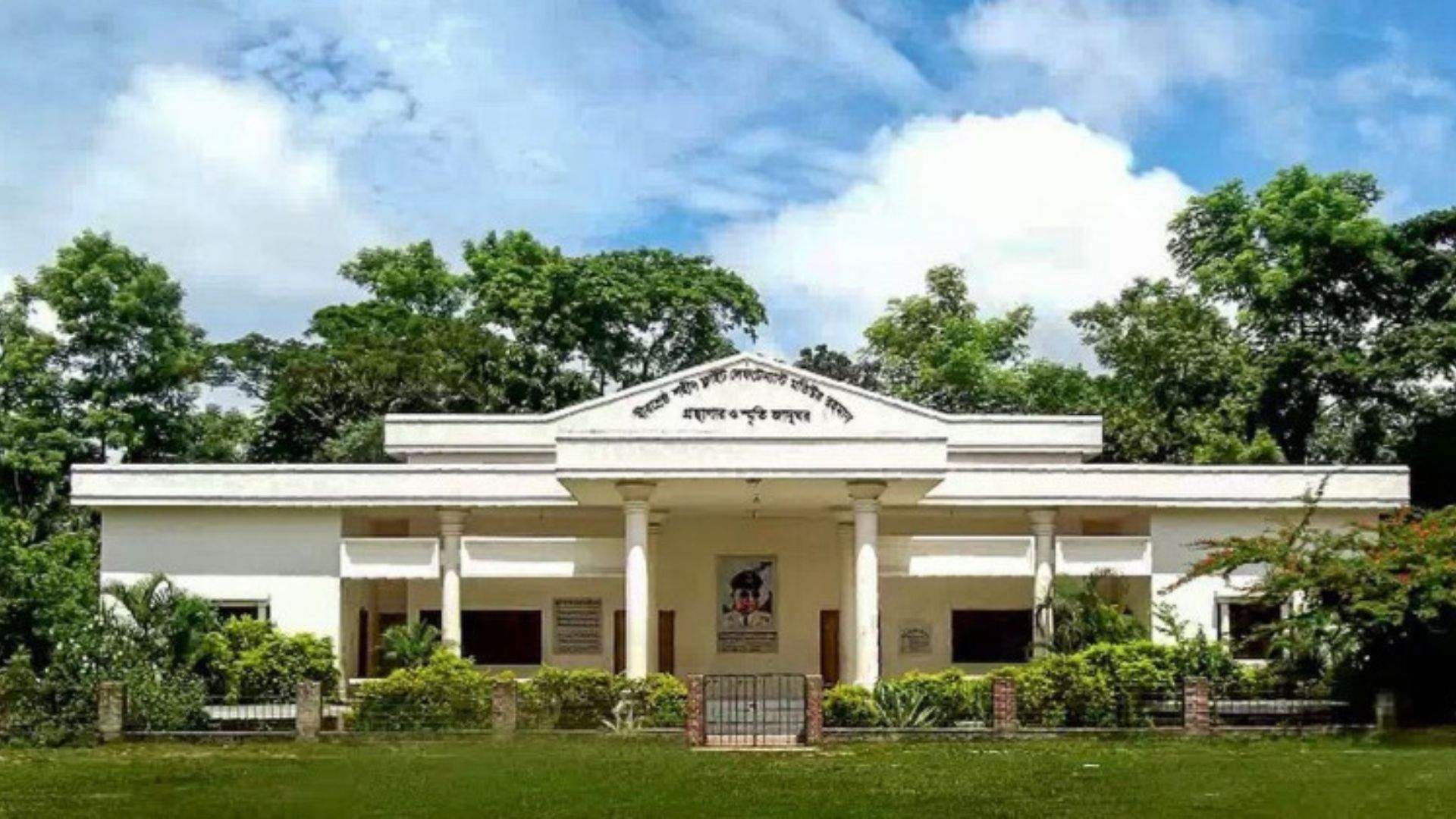
Bir Sreshtho Matiur Rahman Museum, Narsingdi
Bir Sreshtho Matiur Rahman is one of Bangladesh’s highest military heroes. He attempted to hijack a Pakistani aircraft to join the liberation forces. He died during that attempt, but his legacy lives on.
The museum is his ancestral home, preserved with care. Inside, visitors can see his childhood memorabilia, personal items, letters, and rare photos. It feels like stepping into his life. It is both a museum and a family home frozen in time.
Situated in Ramnagar, Narsingdi, local buses and trains from Dhaka make the trip easy. The site remains open most days, but morning visits are recommended.
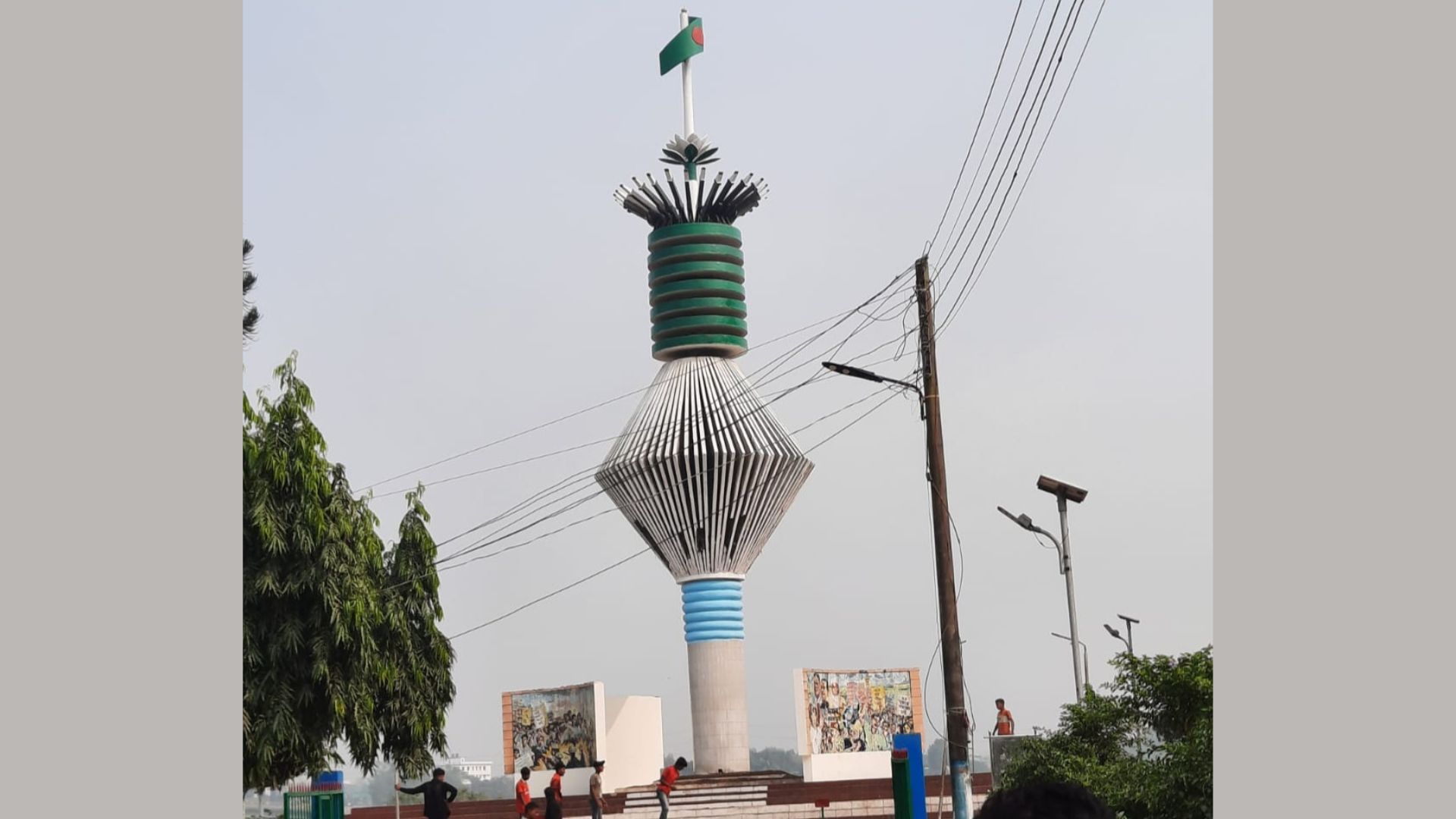
Martyrs’ Memorial Pillar, Mymensingh
This memorial honours the freedom fighters who died in the battles around Shambhuganj Bridge. The area saw fierce resistance as fighters tried to stop the advance of Pakistani forces along the Brahmaputra.
The pillar stands on open grounds, overlooking the river breeze. It is simple, but powerful.
Easily accessible from Mymensingh town. Local transport, like rickshaws and auto-rickshaws, can take you directly to the site. The river view is beautiful during winter afternoons.
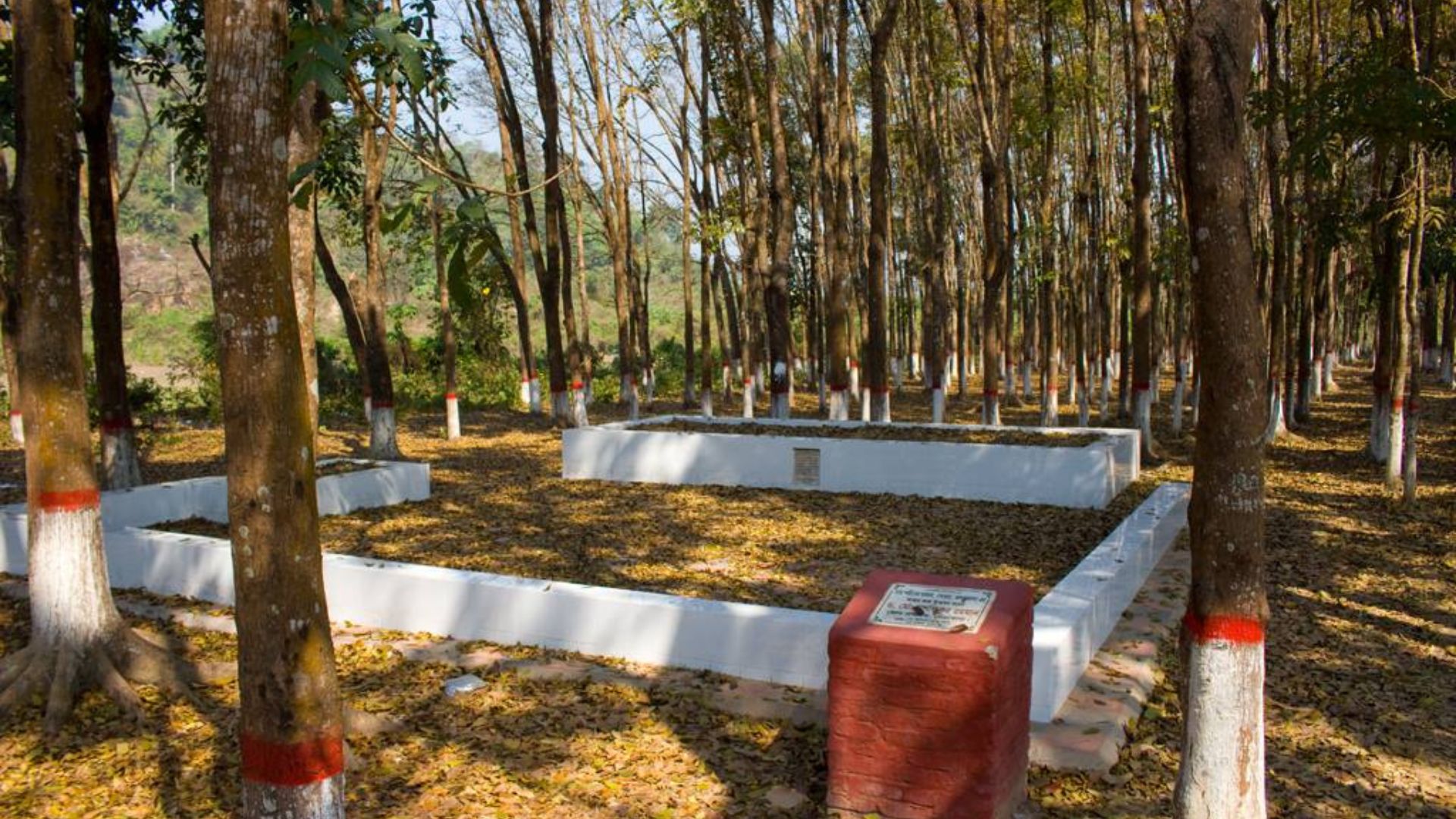
Shrine of Seven Martyrs, Netrokona
This place remembers seven brave freedom fighters who were killed in a brutal encounter with the Pakistani army. Their graves stand side by side, guarded by a small but dignified monument.
The site is quiet, deeply peaceful and filled with stories. Villagers still speak of the courage shown in that final stand. Many consider this spot a symbol of rural resistance.
Located in Kamalakanda, a short trip from Netrokona town. Best visited during the day as the area becomes quiet in the evening. Local guides or residents can narrate the full story.
December is not just a month. It is a living reminder of courage. Visiting these sites is a way to reconnect with our roots. A way to honour those who fought so we could stand free. These places offer silence, stories and strength. They remind us that freedom came at a price, and each visit makes Victory Day feel real all over again.