On January 3, 2026, Venezuela was thrust once again into the international spotlight. At the heart of this drama is oil: the lifeblood of the Venezuelan economy and a strategic prize in the geostrategic contest between great powers.
The story accelerated dramatically when US forces carried out an operation in Caracas that resulted in the capture of Venezuelan President Nicolás Maduro. This extraordinary move, condemned by Caracas as a kidnapping and by other nations as an affront to sovereignty, has upended Venezuela’s political landscape. Maduro, alongside his associates, has since appeared in a federal court in New York on charges related to drug trafficking.
Following Maduro’s removal, US President Donald Trump declared that the United States would “run” Venezuela temporarily, a remarkable pivot from conventional diplomacy that signals direct involvement in the country’s economic affairs.
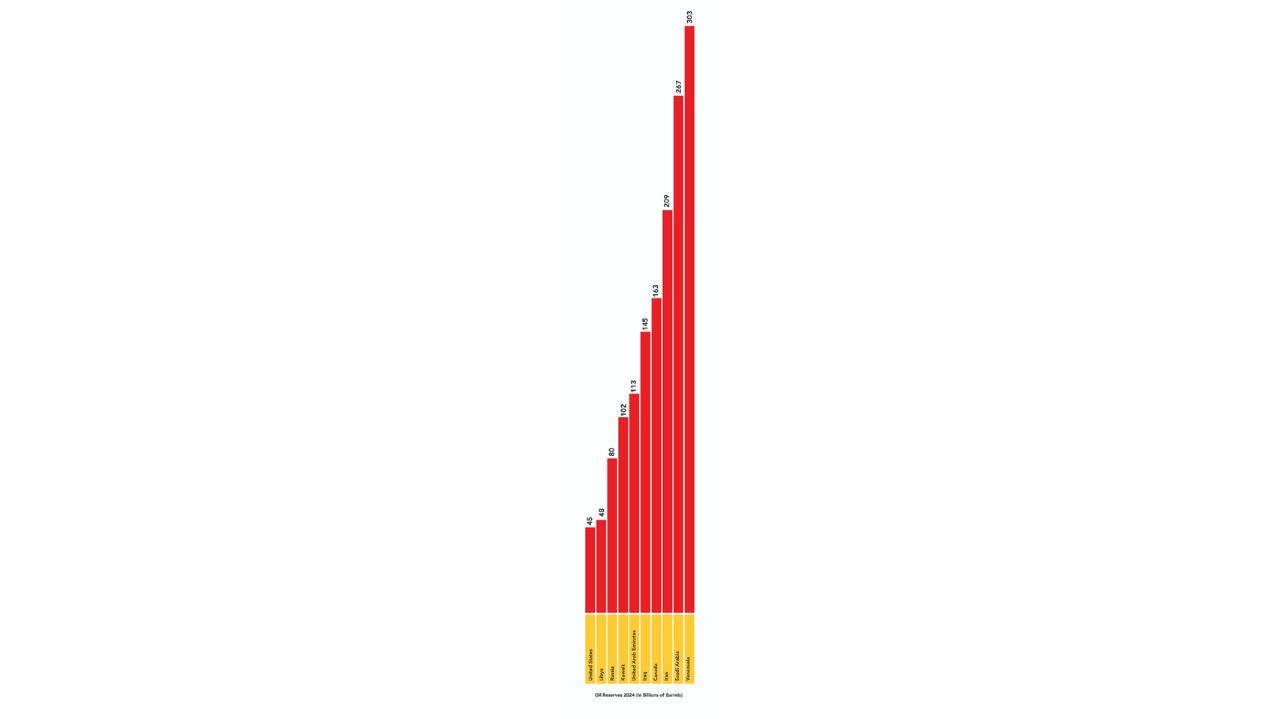
At the core of US objectives is access to Venezuela’s oil, the largest proven crude reserves in the world. The Trump administration has declared it will control Venezuelan oil sales indefinitely, deciding both how much oil is sold and how the proceeds are used.
Trump announced that Venezuela would deliver between 30 million and 50 million barrels of oil to US markets at prevailing market prices, a volume worth roughly $2 billion-plus. He stated that revenue from the sales would be channelled to benefit both Venezuelans and Americans.

This plan marks a departure from the sanctions regime that once restricted Venezuelan exports. Instead, Washington is now seeking to redirect crude previously bound for China and elsewhere toward US refineries.
Despite the US announcements, Venezuela’s state oil company PDVSA described current interactions with Washington as ongoing negotiations, insisting that any deal must be commercial, transparent, and based on international prices. Venezuelan union representatives have stressed that the United States cannot simply treat Venezuela’s oil as its own asset.





Major oil companies, particularly Chevron, which already operates in Venezuela under a US license, are central to these talks, though other giants like ExxonMobil and ConocoPhillips have so far remained cautious.
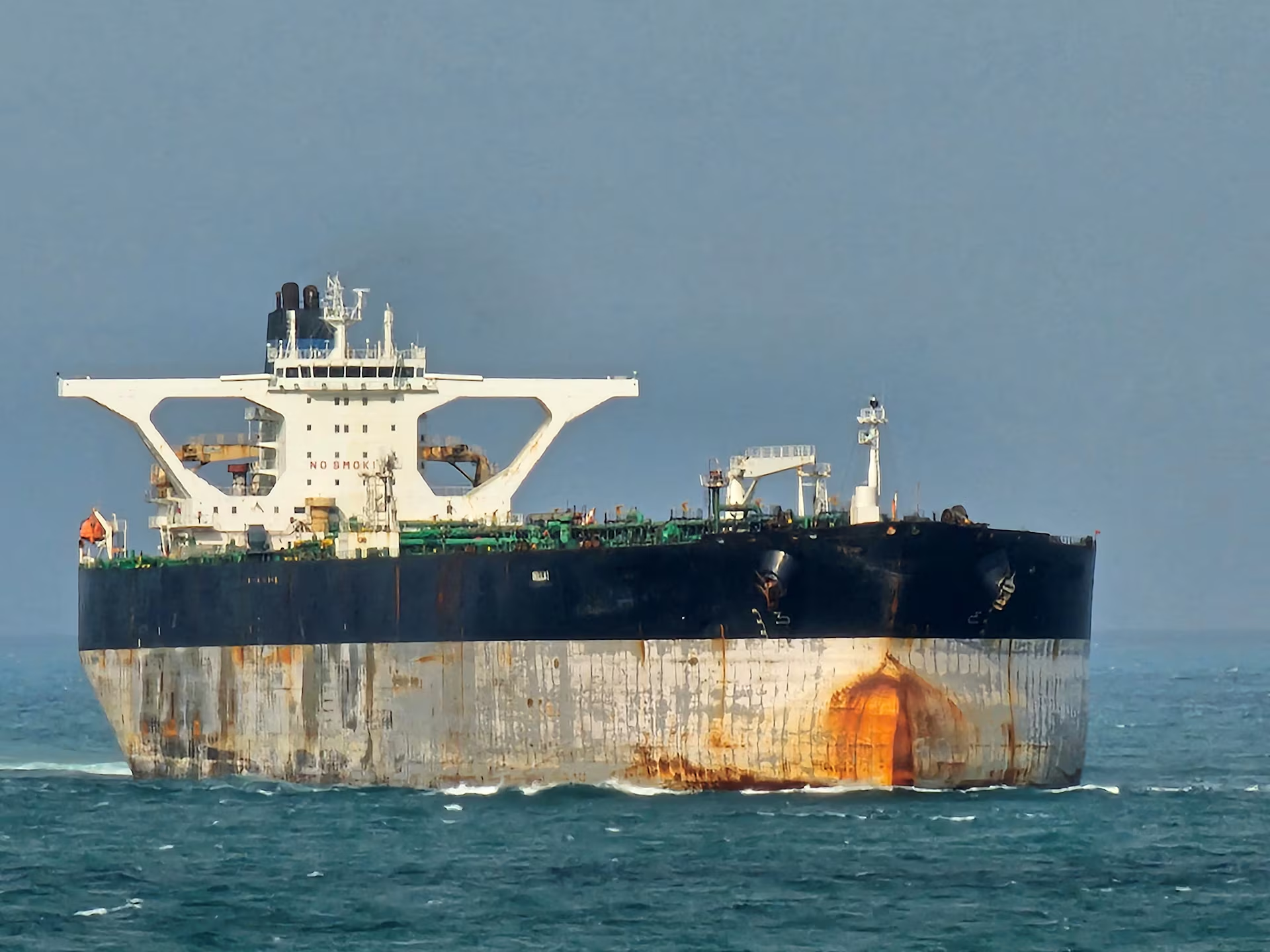
The oil strategy has not unfolded in a vacuum. The US naval and Coast Guard forces have seized two oil tankers linked to Venezuela, including a Russian-flagged vessel, escalating tensions with Moscow and raising questions about international maritime law. Russia has publicly denounced the actions as unlawful.
These seizures are part of a broader US blockade aimed at cutting off sanctioned Venezuelan exports from reaching markets outside the control of Washington.
News of the US-Venezuela oil dealings triggered immediate reactions in global markets. Oil prices dipped as traders priced in an anticipated increase in supply flowing to American refineries.
Regionally, Colombia registered formal complaints over what it sees as US threats tied to the policy, while other nations have expressed unease about Washington’s expanding sphere of influence in the Western Hemisphere.
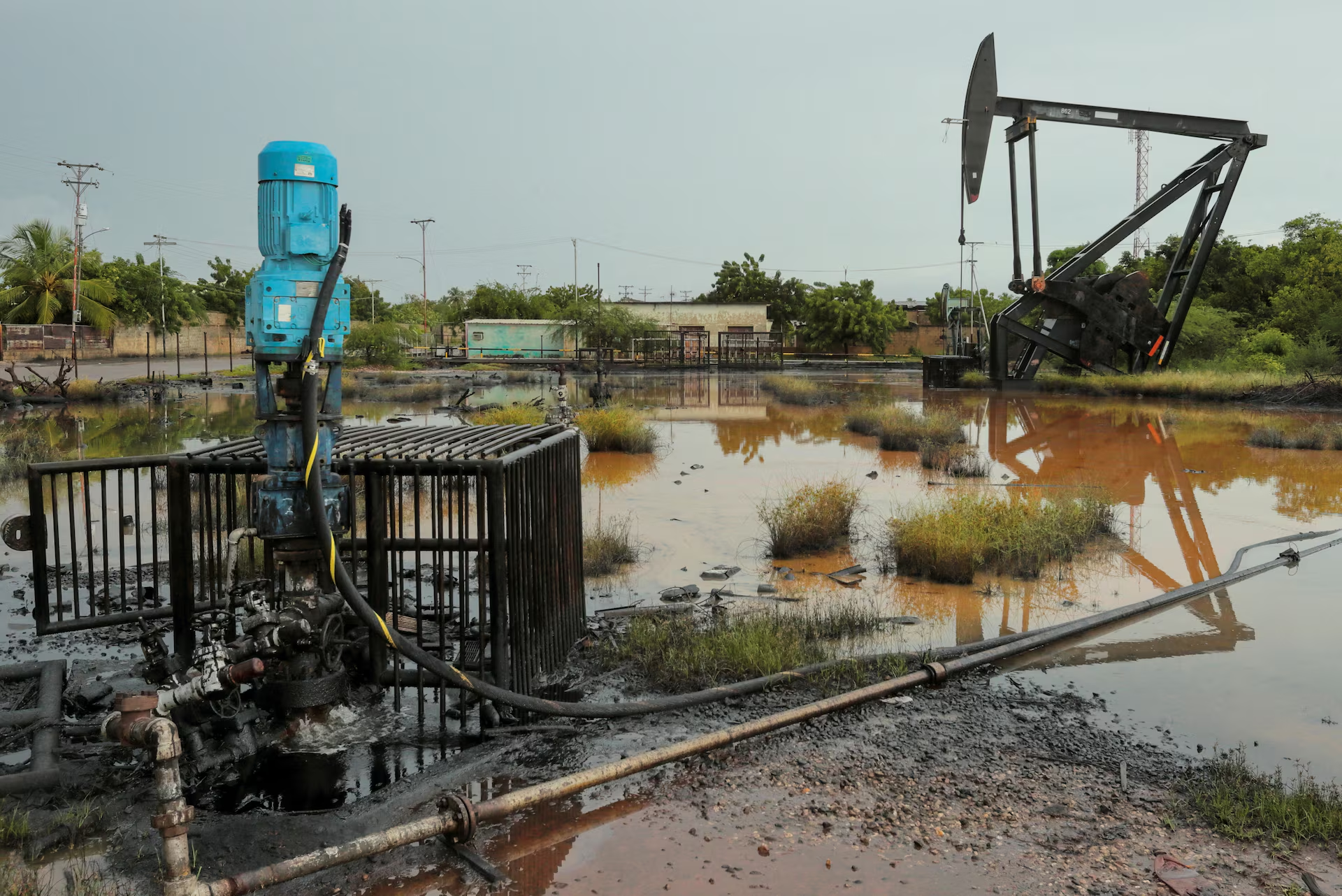
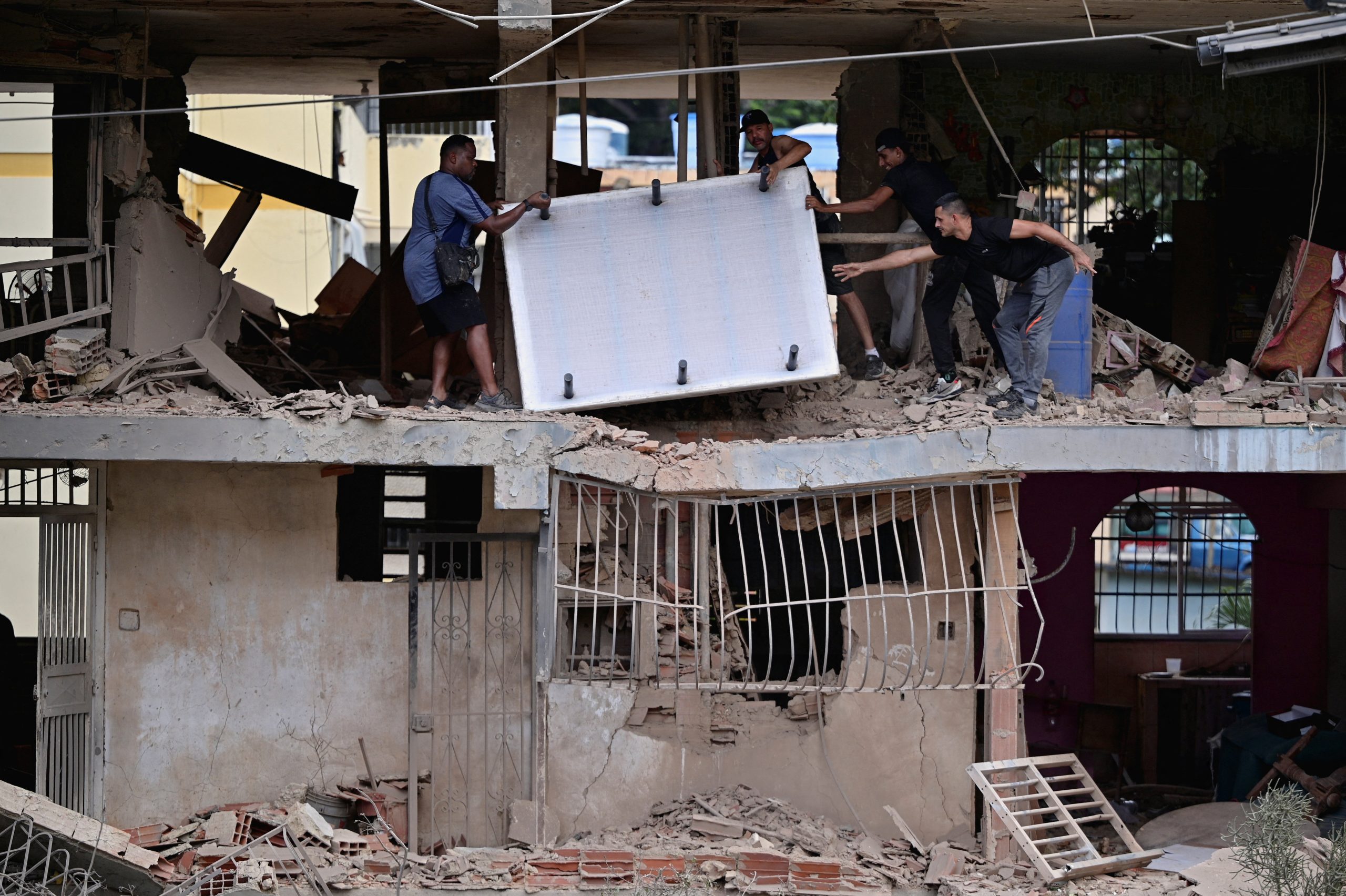
Venezuela’s oil sector, once among the most productive in the world, has languished after years of economic mismanagement, corruption and sanctions. Output today stands at a fraction of its potential, and reviving it will require billions of dollars and years of investment. Even US energy analysts stress that quick fixes are unlikely without massive infrastructure rebuilds.
The situation remains fluid. What began as an economic confrontation over sanctions and oil exports has quickly morphed into a high-stakes geopolitical recalibration with global repercussions for markets, diplomacy and the people of Venezuela.