Once, Chattogram was a city defined by its hills. From the misty slopes of Parir Pahar to the rugged ridges of Jangal Salimpur, its landscape was a rare meeting point of sea and hills. Today, much of that geography survives only in fragments and memory.
The city no longer hears birdsong drifting from forested slopes, but the mechanical growl of excavators tearing through red earth. Hills are disappearing at an alarming pace.
Official estimates suggest that hilly terrain once covered nearly a quarter of Chattogram city. Now, it has shrunk to barely ten per cent.
British-era records once documented more than 200 hills across the metropolitan region. By 2025, district authorities could identify only 73 remaining hills, prompting the formation of monitoring committees tasked with preventing further destruction. Yet enforcement has struggled to keep up with the scale and speed of urban expansion.

On June 11, 2007, relentless monsoon rains triggered catastrophic landslides that buried entire hillside settlements, killing at least 127 people in a single night. Over the past two decades, landslides linked to hill cutting have claimed nearly 300 lives in and around the city.
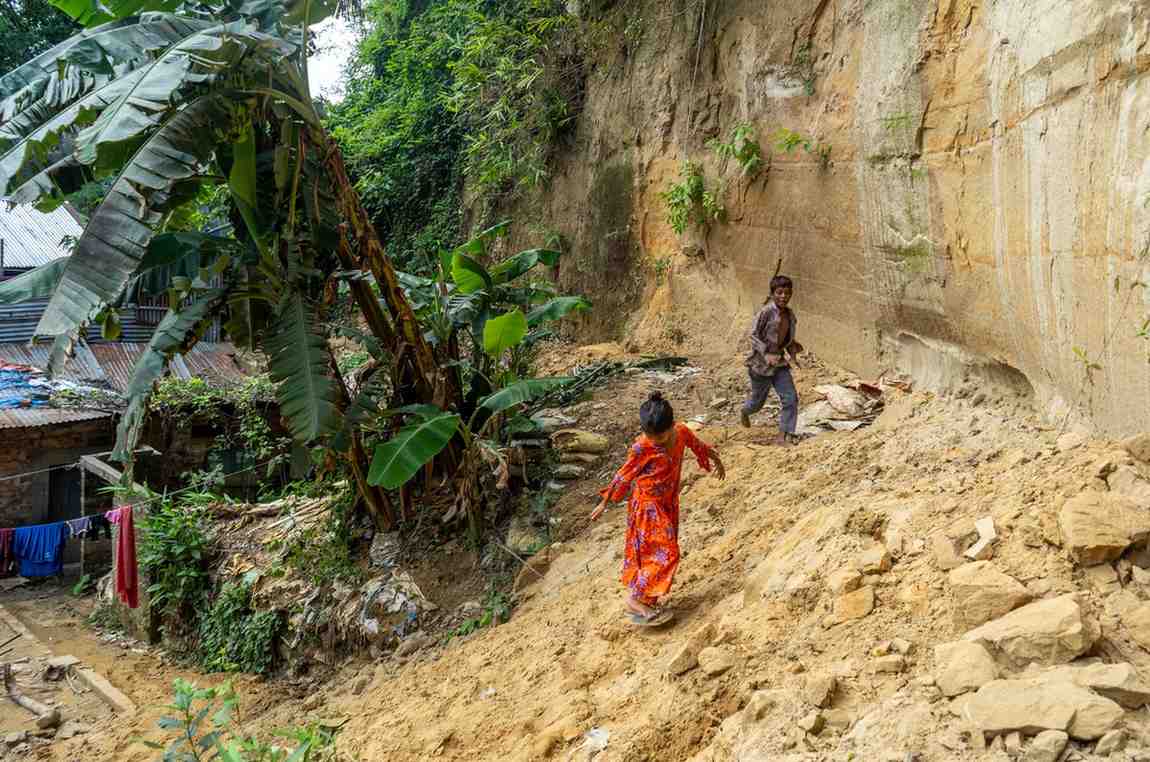
Still, for thousands of low-income families, living on these unstable slopes remains the only option available.
In informal settlements like Motijharna and Lalkhan Bazar, homes cling to steep, exposed cuts in the hillsides where the ground itself appears unfinished. Residents live with constant uncertainty.



“We know the hill can collapse anytime,” said Yousuf, 40, a van driver. “But if we leave, we cannot afford rent anywhere else.”
Every monsoon, warnings are issued, loudspeakers call for evacuation, and families are told to move. But as Mariam Begum asks quietly, “Where will the poor like us go?”
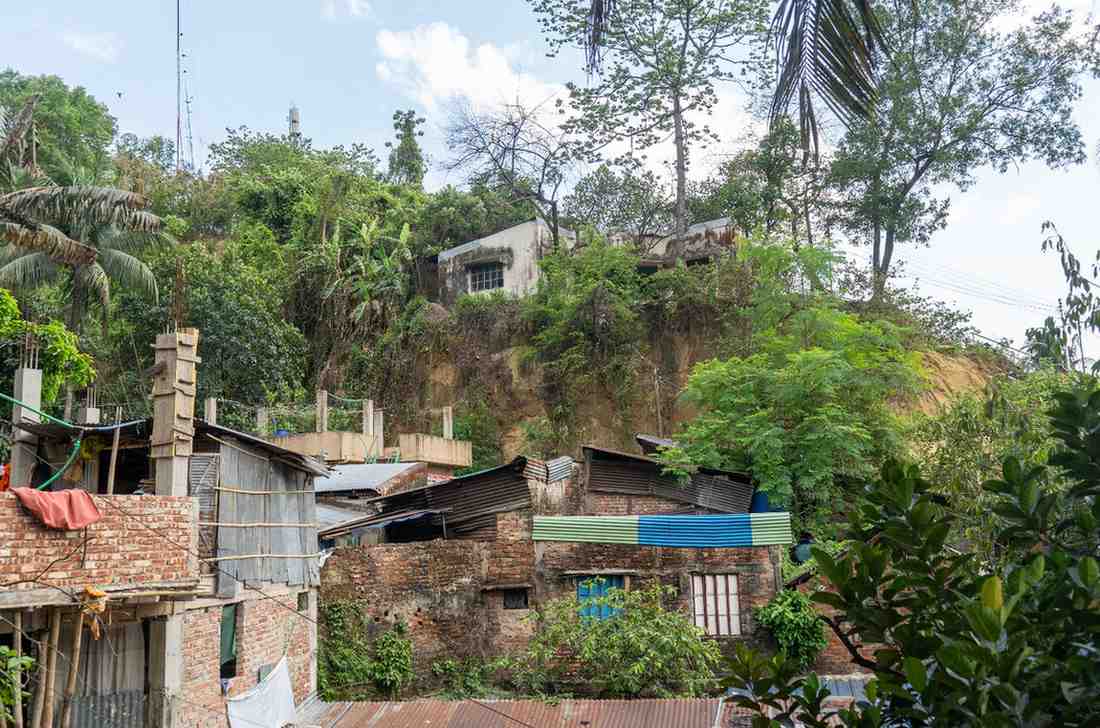
The tragedy of Chattogram is that the destruction is not driven only by informal encroachment.
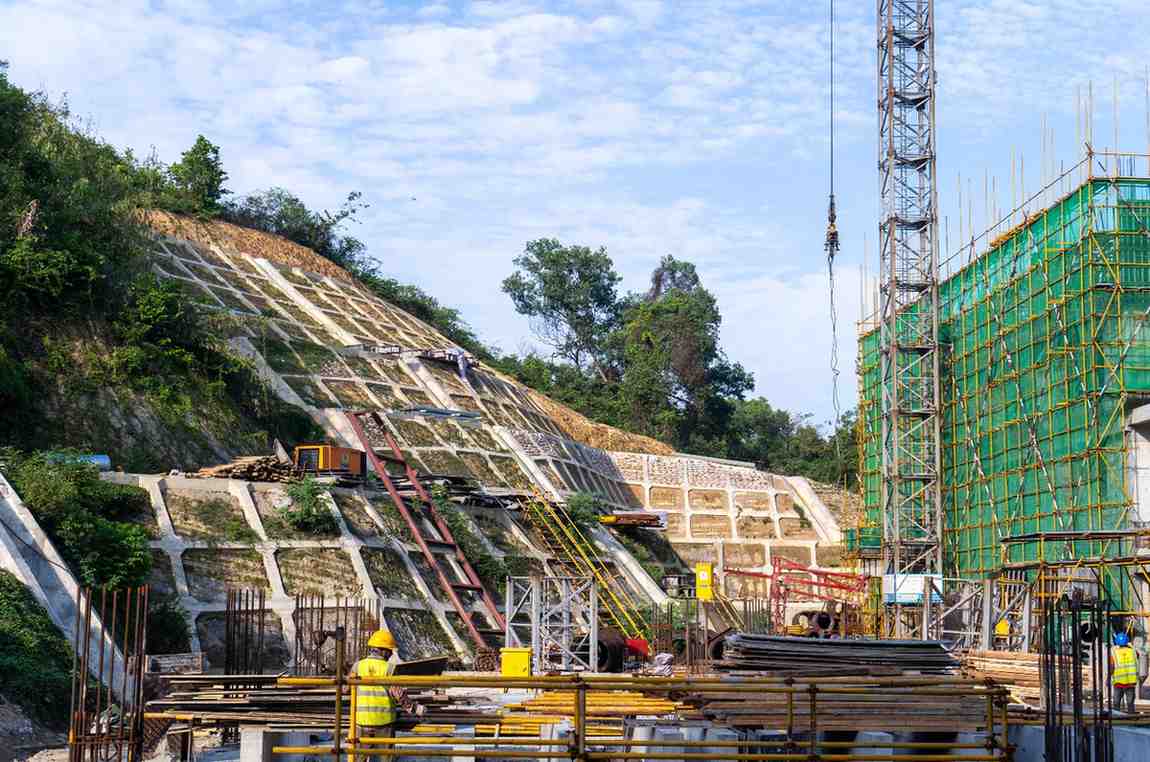
Public infrastructure projects, too, have contributed to the reshaping of its hills. Roads, hospitals, and housing developments have all required cutting into slopes.
The Chattogram Development Authority itself has faced fines for environmental violations linked to large-scale hill cutting during major road projects.
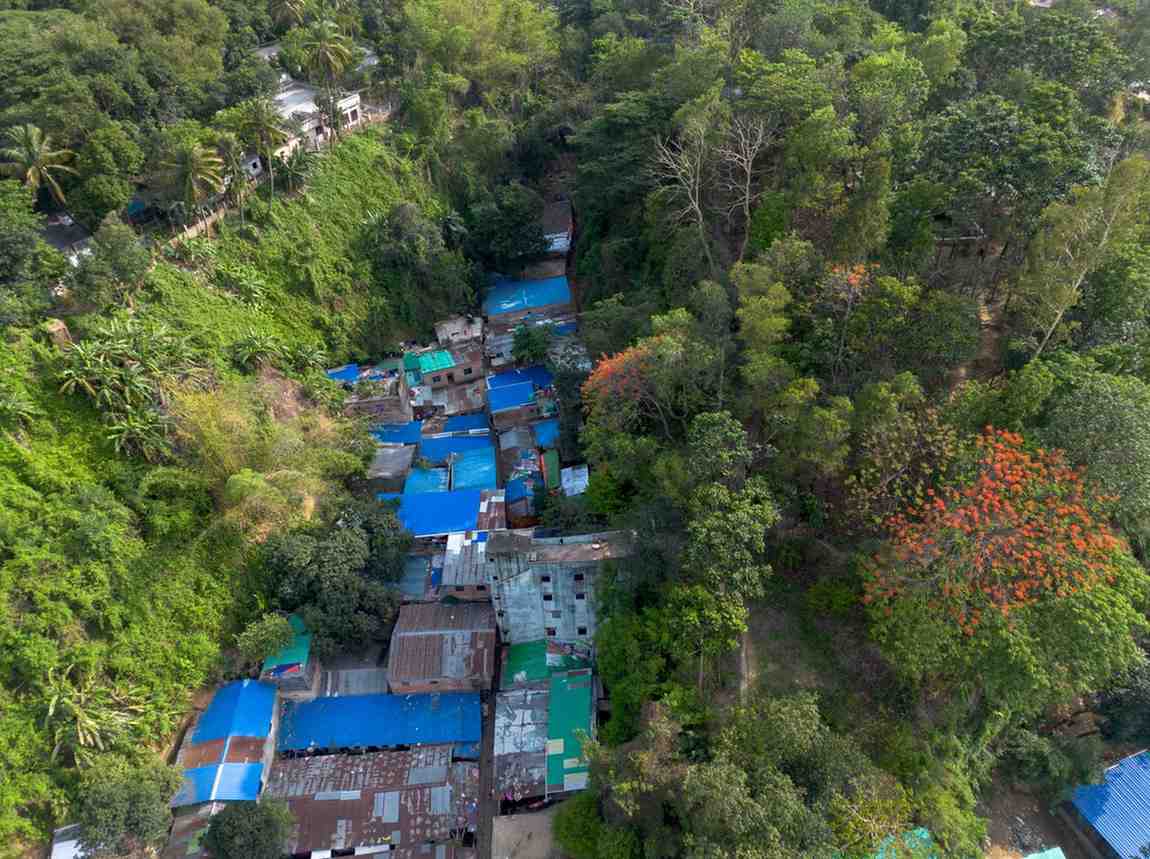
Yet even penalties offer little relief once the land is gone. A hill, once flattened, does not return. At Parir Pahar, even government grounds are now shadowed by encroachment and erosion. The warning signs are no longer distant. They are embedded in the city’s core.
Chattogram now stands at a fragile crossroads: between expansion and collapse, between development and the slow undoing of its natural defences. With every hill reduced, the city loses not just land, but protection.
For those living beneath its remaining slopes, the coming monsoon is no longer just a season. It is a question of survival.