


The United Nations Population Fund (UNFPA) has pledged to strengthen its support for Bangladesh’s demographic and people-centred development agenda, reaffirming its commitment to areas including reproductive health, youth development, healthy ageing and population data.
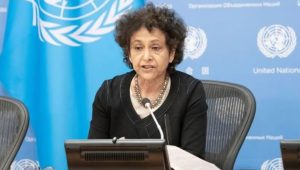
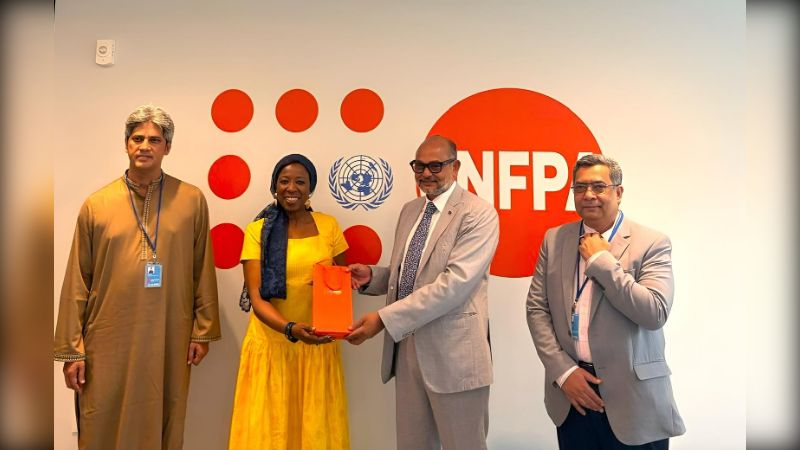
The commitment came during a meeting at UNFPA headquarters in New York between UNFPA Executive Director Diene Keita and a Bangladesh delegation led by Finance and Planning Adviser Rashed Al Mahmud Titumir, according to a government press release.
Keita praised Bangladesh’s political commitment to demographic resilience, women’s empowerment, universal healthcare and an inclusive social security system. She also pledged to continue promoting the country’s development achievements globally.

During the meeting, Titumir outlined the government’s priorities, including a universal life cycle-based social security system centred on women, the Family Card initiative, investment in education and healthcare, youth skills and employment, healthy ageing, stronger primary healthcare and the use of credible population data to support policymaking.
He also highlighted the challenges of hosting more than 1.2 million Rohingya refugees, saying the prolonged humanitarian response continues to impose significant economic, environmental and security pressures on Bangladesh.
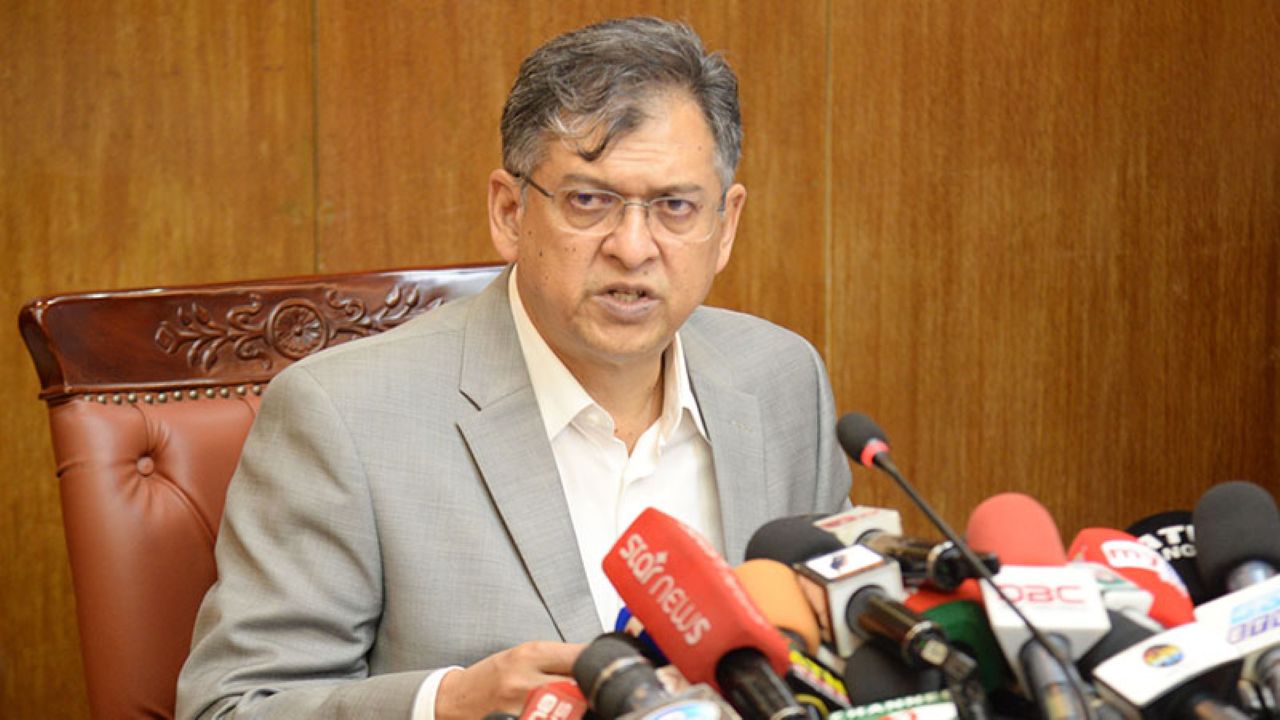


Titumir called for greater UNFPA engagement to support the early repatriation of the Rohingya to Myanmar and help ensure they can return safely, live with dignity, enjoy their rights and access sustainable livelihood opportunities.
He said Bangladesh’s large youth population presents a demographic dividend but stressed the need to prepare for a longevity dividend as the population ages.
Planning State Minister Zonayed Saki said the government aims to build an integrated primary healthcare system that reaches every citizen, particularly mothers, children and underserved communities.
He also sought closer cooperation with UNFPA to strengthen Bangladesh’s national statistical system, align the agency’s next country programme with the government’s five-year strategic framework and document Bangladesh’s development experience as a global best practice.
Keita reaffirmed UNFPA’s support for Bangladesh’s efforts to strengthen demographic resilience and said the country’s experience demonstrates how strong political leadership and national ownership can accelerate progress towards the Sustainable Development Goals.