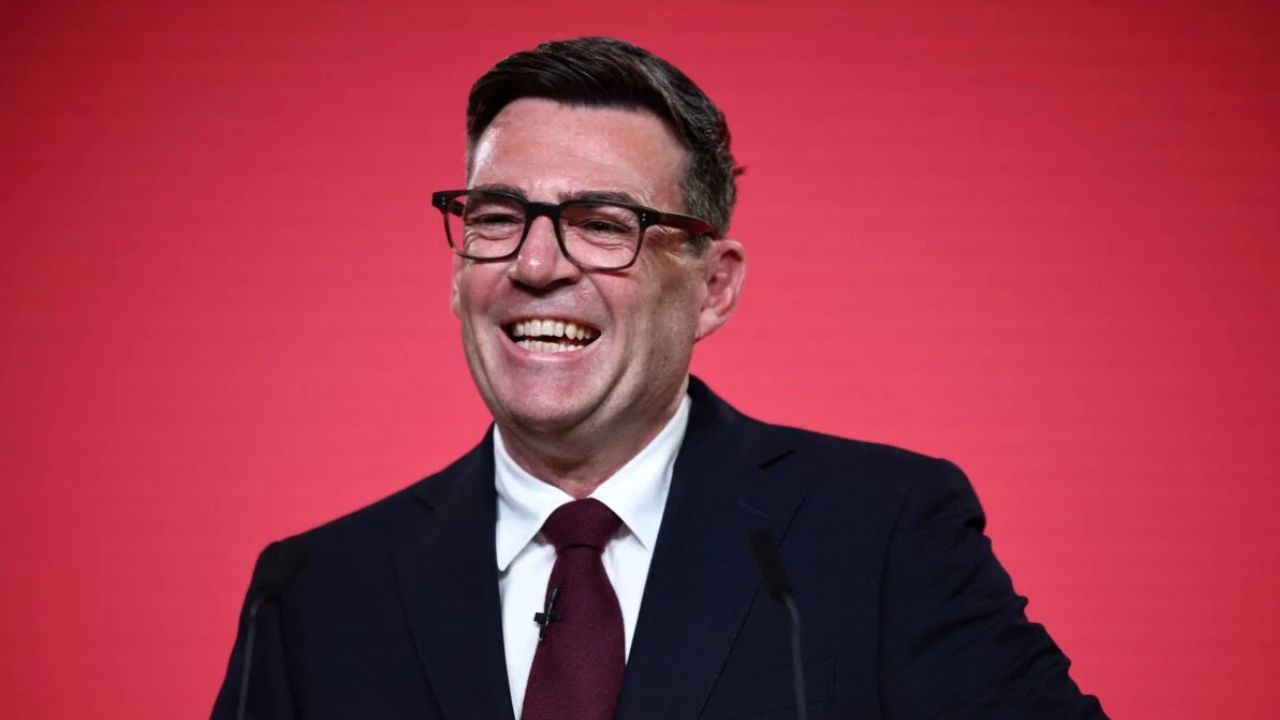



British Prime Minister Andy Burnham has reignited discussion over the country’s future relationship with the European Union (EU), including the possibility of rejoining the bloc.
His comments mark a shift from Labour’s earlier position and raise questions about how far Britain could go in restoring closer relations with its European neighbors.
Speaking at his first Labour Party conference as prime minister on Tuesday, Burnham said Brexit had “done more harm than good” and outlined several possible paths for Britain’s long-term ties with the EU.
In a BBC interview broadcast the following day, he said rejoining the EU could be considered.
“I would like to see Britain rejoin in my lifetime,” he said, while stressing that he would examine the different available options.
The choices include keeping the existing arrangement, joining a customs union, returning to the EU single market or seeking full EU membership.
Each would involve a different level of economic integration and political commitment.

Burnham’s position differs from Labour’s 2024 election manifesto, which ruled out returning to the single market or customs union and restoring free movement.
According to the Financial Times, Burnham had also previously promised not to reopen the “divisive arguments about rejoining the EU.”
The renewed debate comes 10 years after 52 percent of British voters chose to leave the EU in the June 2016 referendum.
Britain formally exited the bloc in 2020.




Economic benefits weighed against political risks
Burnham has placed economic growth at the center of his argument for reconsidering Britain’s relationship with the EU.
In an interview with ITV News on Wednesday, he said Brexit had hurt economic growth and argued that it would be difficult to restore stronger growth rates while Britain remained too distant from its largest market.
Recent opinion polls indicate considerable public support for closer ties with the EU, although that does not necessarily translate into support for full membership.
A Public First poll found that 70 percent of British voters wanted the government to establish closer relations with the EU, the Independent reported Wednesday.
YouGov polling published the same day showed 59 percent of respondents favored Britain rejoining the bloc.
However, reopening the Brexit question could create political difficulties.
Labour MP Graham Stringer described a reversal of the 2016 vote as a “betrayal” and warned that a renewed debate could become even more divisive than it was a decade ago.
EU leaders welcome prospect, but return would be complex
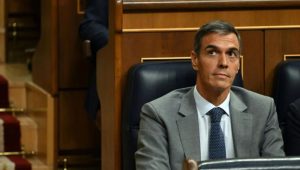
French President Emmanuel Macron and Spanish Prime Minister Pedro Sanchez have welcomed the possibility of Britain returning to the EU.
Macron said “welcome back” in English, describing a potential British return as good news for both Britain and Europe.
Sanchez said Brexit had represented a “huge loss” for both the British people and the EU.
While such statements demonstrate goodwill, they do not amount to agreement among all EU members on the terms of any potential British return.
Rejoining the EU would require negotiations on membership conditions, approval from the European Parliament, unanimous consent from the EU Council and ratification of an accession treaty by Britain and every EU member state.
A planned UK-EU summit could offer an early indication of how Burnham intends to develop his position.
The meeting, initially scheduled for July, was postponed and could now take place in November.
British media have reported that Burnham wants the summit to address the wider framework of relations between Britain and the EU.
The immediate question is whether the British government will formulate a specific negotiating position.
Such a move would show whether Burnham is seeking closer practical cooperation with the EU or considering a more fundamental overhaul of Britain’s post-Brexit relationship with the bloc.