


The United Kingdom and Japan have formalised a multi-billion-pound investment pact, which Prime Minister Keir Starmer has hailed as the beginning of a “new era of co-operation” between the two nations.
Under the terms of the agreement, Japanese firms will commit over £9 billion to UK infrastructure and financial services, with an additional £9 billion earmarked for the offshore wind sector, reports BBC.
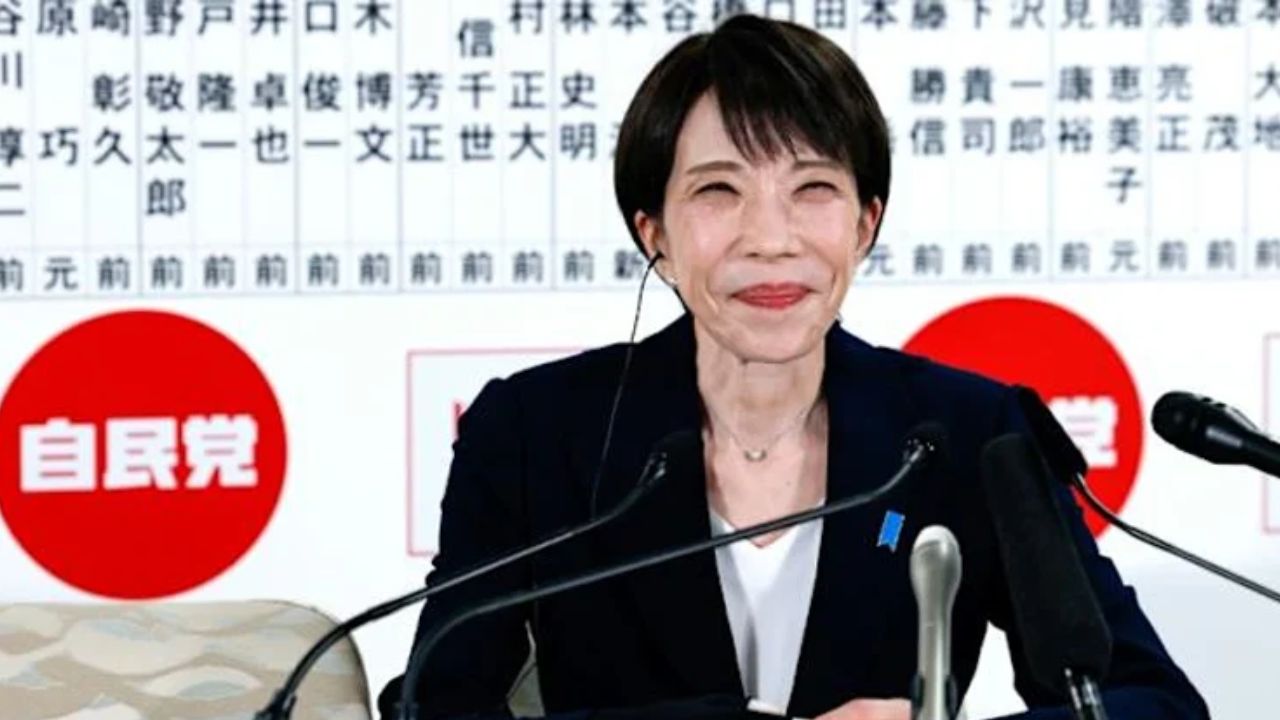
Downing Street officials stated that the investment is expected to generate tens of thousands of jobs across the country. The deal was announced following a meeting at Downing Street between Keir and his Japanese counterpart, Sanae Takaichi.

The UK prime minister described the discussions, which included Japanese business leaders, as “very productive”. Speaking through a translator, Prime Minister Takaichi emphasised that the UK remains “an extremely important partner” for Japan.
Strategic partnerships
The collaboration extends into high-technology and defence sectors. Both nations reaffirmed their commitment to the Global Combat Air Programme (Gcap), a fighter jet initiative being developed alongside Italy.



In the energy sector, Rolls-Royce is set to partner with Japan’s Atomic Energy Agency to develop next-generation nuclear technologies. The new technology agreement will link British research, development, and software expertise with Japanese manufacturing capabilities.
Major Japanese corporations, including Mitsubishi Estate, Mitsui Fudosan, and Nomura Real Estate, are among the firms committed to spending billions on UK infrastructure and real estate projects over the next five years.
Economic outlook
The investment comes at a critical time for the UK economy, which experts predict will be hit particularly hard by the US-Israel war with Iran. While the UK economy saw a 0.6% growth in the first quarter of the year – the fastest in the G7 – analysts expect growth to remain sluggish in the coming months.
Last month, the International Monetary Fund (IMF) warned that the US-Israel conflict with Iran would impact the UK more severely than any other advanced economy. The IMF expects a recovery next year, with the UK projected to become the fastest-growing European economy in the G7, albeit at a modest rate of 1.3%.
The deal has drawn mixed reactions from the political sphere. Andrew Griffith, the Conservative shadow business and trade secretary, stated that his party welcomes “any deal that brings investment” to the UK.
Griffith cautioned that the Labour government’s “tax hikes and employer red tape” are “destroying jobs and putting more and more people onto welfare”. While Downing Street maintains the deal will secure long-term growth, some experts have noted it remains unclear how much of the £18 billion represents entirely new capital versus previously announced plans.