For thousands of years, turmeric has been a staple in human societies. Renowned for its vibrant yellow-orange hue, this ancient root carries a bold flavour, slightly bitter and spicy. For over 4,000 years, India’s tropical climate has provided ideal conditions for turmeric to flourish, embedding it deeply into the region’s cuisine, medicine, and cultural traditions.
Turmeric’s history runs just as deep as its colour. For centuries, it has been used as a healing root, believed to detoxify the body and support gut health. From being applied to wounds for its antibacterial properties to its spiritual symbolism representing purity and protection, turmeric has long held both practical and sacred value. These traditions continue today, with turmeric widely used across cultures.
Around 700 CE, turmeric made its way to China via Indian traders, becoming an important part of traditional medicine, particularly for digestion, liver health, and pain relief. During the medieval period, the Arab world also embraced the Indian root alongside other spices, valuing its natural dyeing qualities and deep, earthy flavour.

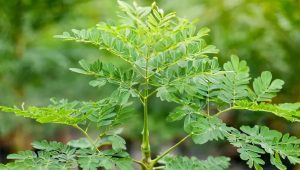
The name turmeric comes from the Latin terra merita, meaning “deserved earth.” Its scientific name, Curcuma longa, reflects the plant’s long, slender form. Turmeric grows as a three-foot-tall herbaceous plant with orange, finger-shaped roots that carry a strong, spicy aroma.




Beyond its medicinal uses, turmeric remains a primary flavouring agent in South Asian cuisine. From curry pastes and marinades to teas, smoothies, healthy snack bowls, and dietary supplements, turmeric continues to weave itself into daily life, bridging tradition and modern wellness.
Turmeric’s appeal extends beyond the kitchen. Modern skincare products include it as a key ingredient, drawing on curcumin, its natural compound known for anti-inflammatory and antioxidant properties. These qualities help soothe irritated skin, manage acne, and promote a clearer, more even complexion, while also supporting skin firmness for a healthy glow. In South Asian bridal rituals, turmeric ceremonies remain a timeless symbol of radiance and culture.
However, natural ingredients should be used mindfully, as overconsumption may pose health risks. Despite this, turmeric’s popularity continues to grow worldwide, celebrated for both its culinary and wellness benefits.