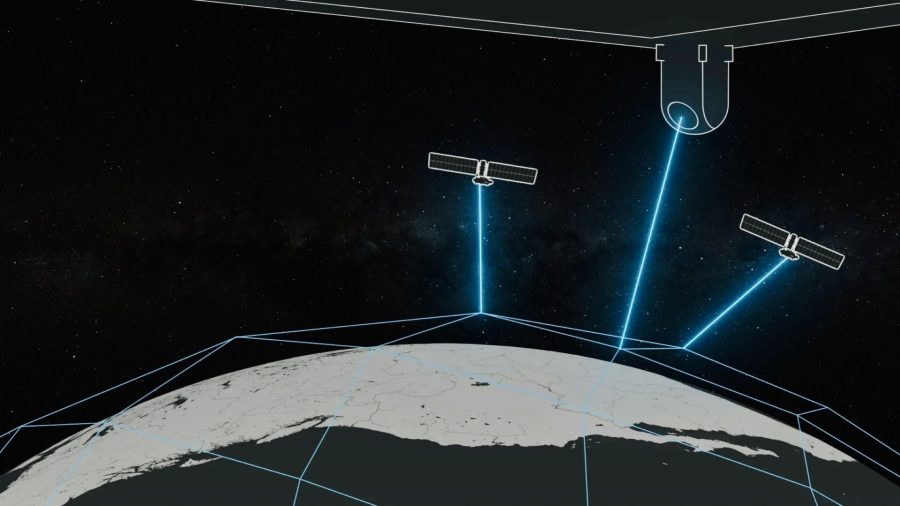



Satellite technology is changing the way the world communicates, but its role now extends far beyond connecting people to the internet. SpaceX, the aerospace company founded by Elon Musk, has developed Starshield, a satellite system designed to support military and intelligence operations, offering governments secure communications and advanced space-based capabilities.
Starshield is a military-focused system developed by SpaceX for the US government, particularly the Pentagon. Although it shares much of the underlying technology of Starlink, the company’s commercial satellite internet service, the two systems serve different purposes.
Starlink provides broadband internet to households, businesses, ships and airlines. Its network consists of more than 11,000 satellites in low Earth orbit and serves approximately 13 million subscribers worldwide.

Starshield, meanwhile, is designed for sensitive government operations. Its capabilities include encrypted communications, Earth observation and the integration of specialised sensors and other equipment. Dedicated terminals and additional security features help distinguish it from the commercial service.
The Pentagon is Starshield’s largest customer and has invested billions of dollars in SpaceX’s satellite services. The US government has also acquired dedicated satellites for missile-warning missions and intelligence gathering. Britain has adopted Starshield, while New Zealand has been testing its potential for military use.




Starshield has attracted renewed attention amid concerns over the use of satellite networks in the Russia-Ukraine war. Ukraine has relied heavily on Starlink for battlefield communications and drone operations. Recent restrictions affecting military-related services have raised questions about the distinction between commercial connectivity and specialised defence systems.
Musk has stated that Starshield is owned and controlled by the US government, with decisions regarding its speed and usage made by American military authorities or the president. Starlink, by contrast, remains a commercial service controlled by SpaceX.
The distinction highlights a growing challenge in modern warfare: military operations increasingly depend on technology developed and operated by private companies.
As countries expand their reliance on satellite networks, Starshield demonstrates how commercial space innovation can become an essential part of national security. However, it also raises questions about technological dependence, government control and the influence private companies can have on conflicts.