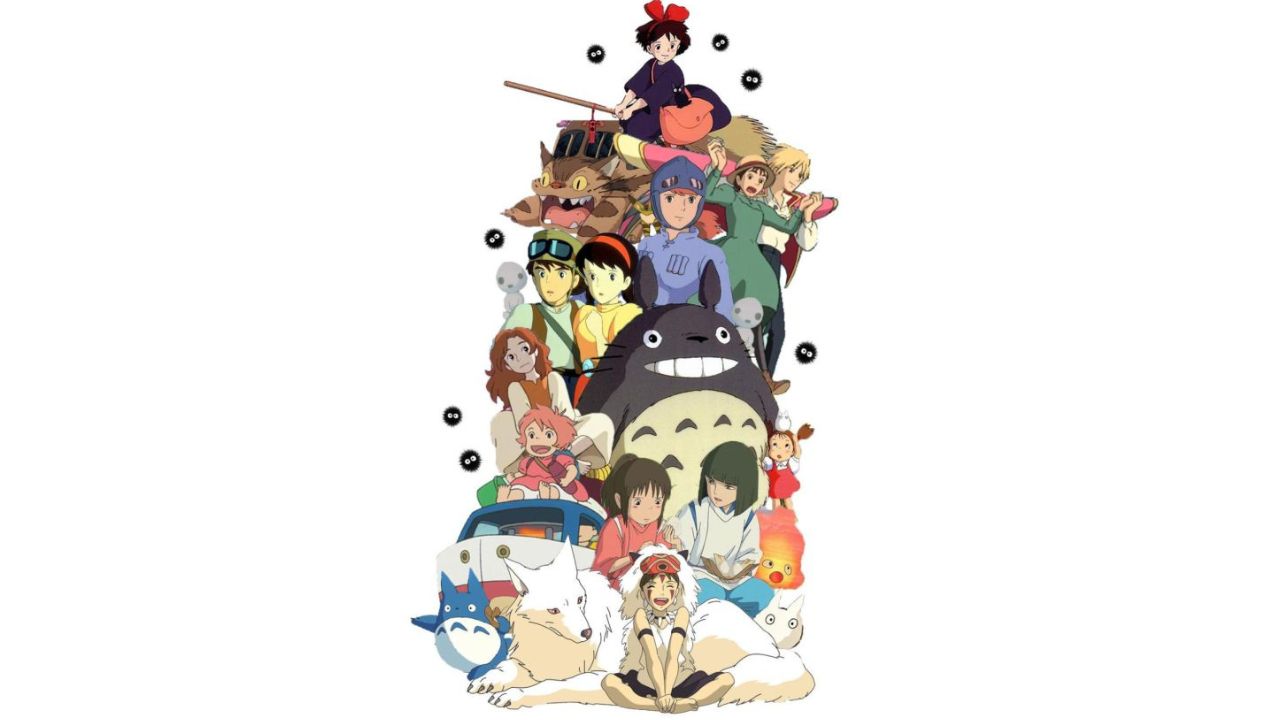



Totoro is nearly four decades old. Chihiro first stepped into the spirit world more than 20 years ago. Ponyo arrived in cinemas in 2008. Yet these animated icons continue to achieve what many modern blockbusters cannot — fill cinemas, win over young audiences and keep Studio Ghibli thriving.
In an industry driven by sequels and franchise reboots, the legendary Japanese animation studio has built a different business model. Instead of relying on a steady stream of new releases, Studio Ghibli has turned its timeless classics into an enduring success. Streaming has introduced the films to younger viewers, while cinemas have transformed them into annual family events.
The studio’s latest feature, The Boy and the Heron (2023), won the Academy Award for Best Animated Feature. Yet it is the older films that continue to drive the studio’s popularity.
The strongest example comes from the United States.

Now in its 10th year, Studio Ghibli Fest has evolved from a niche re-release programme into one of America’s most successful annual repertory cinema events. Running from June to October, the festival continues to attract lifelong fans and first-time viewers, with My Neighbour Totoro, Spirited Away and Ponyo returning to cinemas year after year.
For many younger fans, the journey begins on streaming services such as HBO Max. But families increasingly choose to experience the films where they first belonged — on the big screen. A recent screening of Hayao Miyazaki’s 1988 classic My Neighbour Totoro played to a full house.
The numbers underline the trend.




According to AP, When GKIDS and Fathom Entertainment launched Studio Ghibli Fest in 2017, it featured five films and earned about US$5 million at the box office. Organisers expected interest to fade. Instead, attendance has continued to grow.
The festival set a record in 2024 with US$16.4 million from 14 films. Last year, eight titles generated another US$10.6 million, while Ponyo and My Neighbour Totoro have already enjoyed successful five-day runs this year.
GKIDS president Dave Jesteadt said the festival had surpassed every expectation, with attendance continuing to reach new highs. Shannah Miller, vice-president of marketing at Fathom Entertainment, said participating cinemas had grown from around 640 in the early years to more than 1,100 this year, prompting longer screening runs.
The growth has come despite Studio Ghibli arriving on HBO Max in 2020. Rather than reducing cinema demand, streaming introduced the films to millions of younger viewers who later sought them out in theatres.
Streaming data reflects the same pattern. Outside North America, Netflix ranks Howl’s Moving Castle as its most-watched Studio Ghibli title, followed by Spirited Away. My Neighbour Totoro, Ponyo and The Boy and the Heron also continue to attract large audiences.
Industry observers say the festival helps cinemas fill quieter periods while introducing younger audiences to hand-drawn Japanese animation. After acquiring North American distribution rights in 2011, GKIDS expanded Studio Ghibli screenings from independent theatres into multiplexes, reflecting the studio’s long-standing commitment to the theatrical experience.
This year’s festival features Tales from Earthsea, Only Yesterday, a 40th anniversary screening of Castle in the Sky, a 4K restoration of Princess Mononoke and a 25th anniversary screening of Spirited Away.
For many fans, the appeal extends beyond nostalgia. Angela Lector, who often attends screenings dressed as Studio Ghibli characters, said the shared cinema experience cannot be replicated through streaming. Many also hope future festivals will include more of the studio’s lesser-known works.
Parents who grew up with Totoro, Chihiro and Ponyo are now introducing those same characters to their children. Streaming creates the first connection. The cinema strengthens it. For Studio Ghibli, its greatest success may not be producing more films, but creating stories that every generation wants to pass on.