





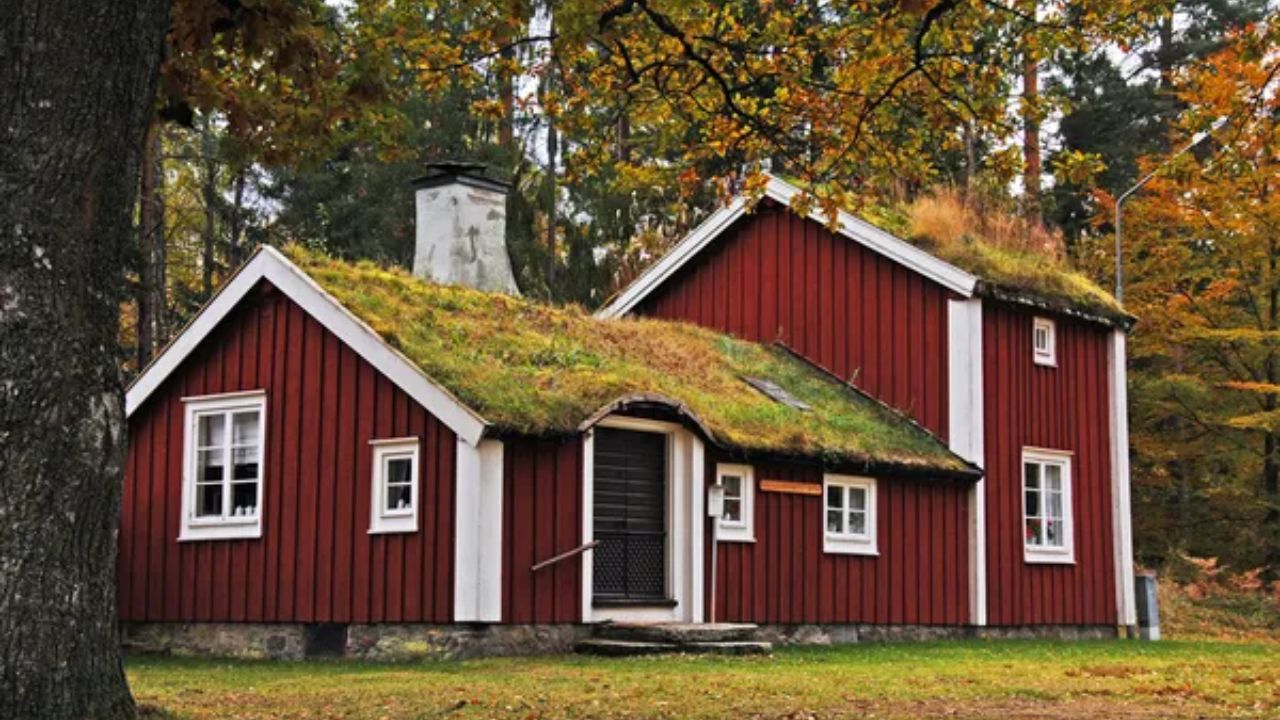
Across the Swedish countryside, red wooden cottages trimmed in white punctuate forests, lakesides and snowy fields. They appear timeless, almost inevitable, as if the landscape itself demanded this colour. Yet the story of Sweden’s iconic red houses begins deep underground, in a copper mine that shaped not only an industry, but a national aesthetic.
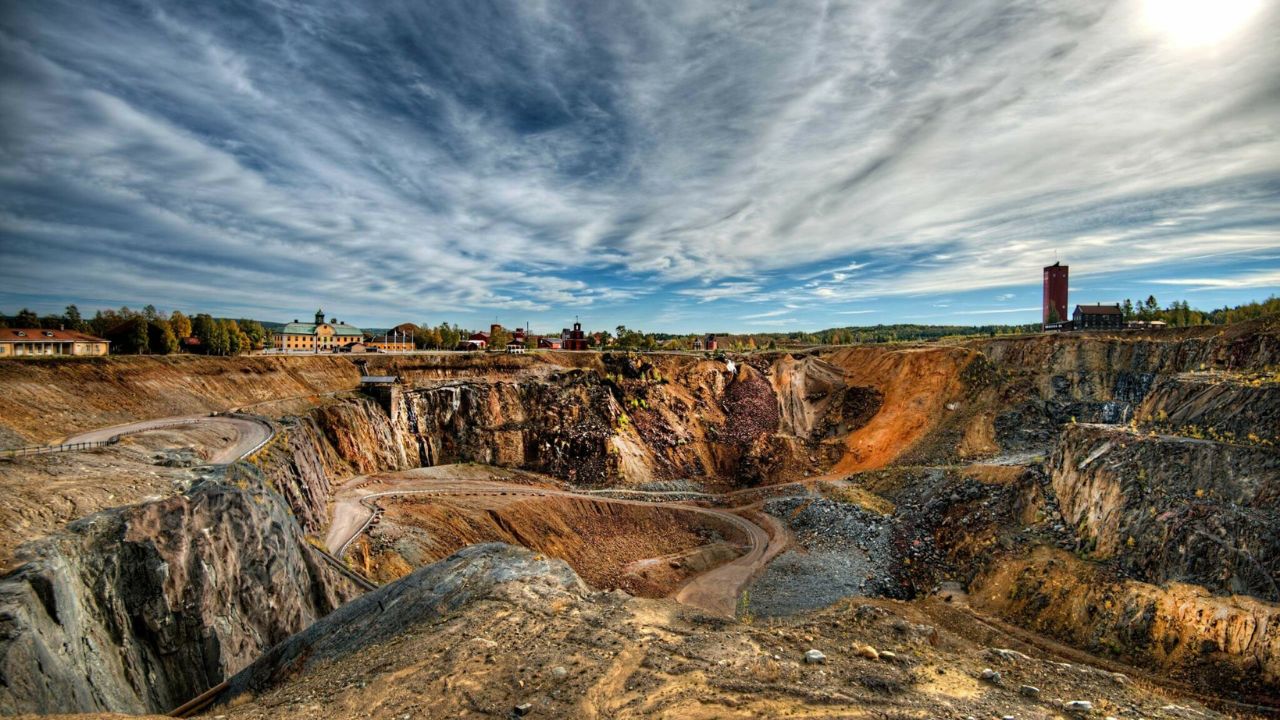
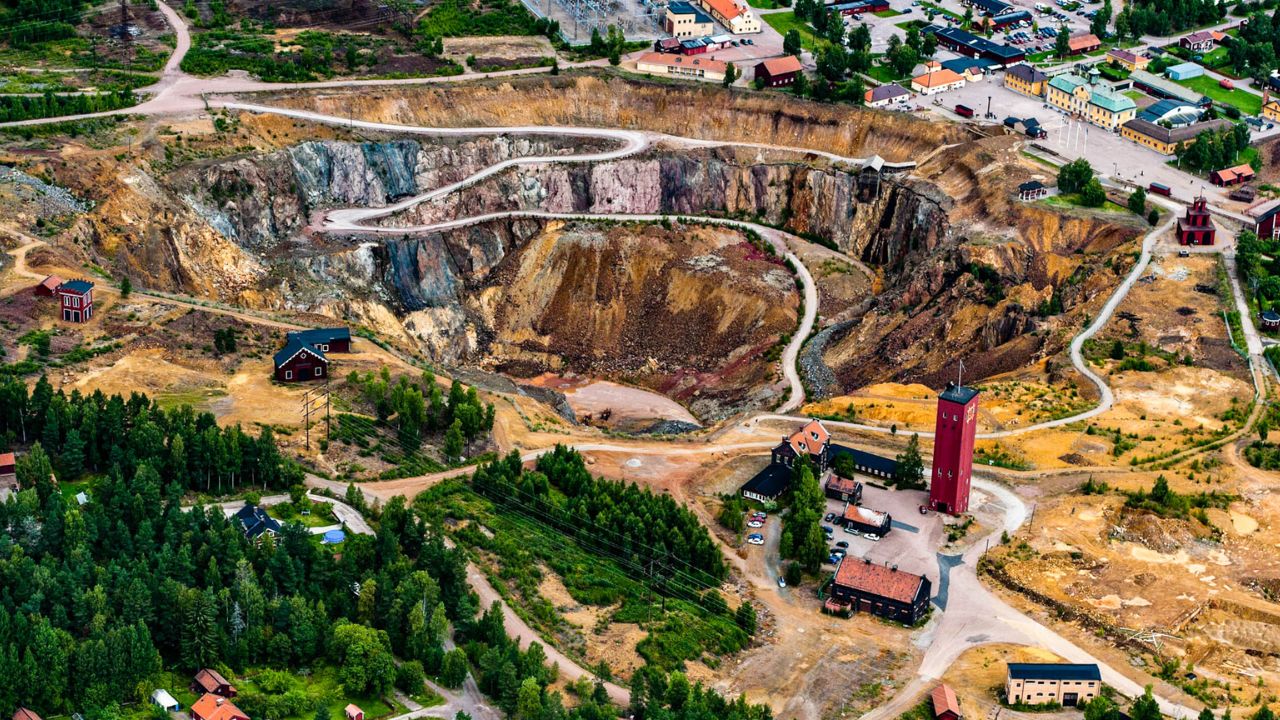
Copper production in central Sweden’s Dalarna region dates back to at least the 9th century, long before Sweden emerged as a modern state. At the heart of this activity stood the Falun copper mine, which would later become one of the most important industrial sites in Europe. For centuries, Falun supplied copper far beyond Sweden’s borders, helping the country rise as a dominant player in the European and international copper trade.

The mine remained in continuous operation for around 250 years, finally closing in 1992. Its historical, technological and cultural significance later earned it recognition as a UNESCO World Heritage Site. But alongside copper, the mine produced wastes which were rich in iron oxide, the material that would eventually give Sweden its most recognisable colour.

The transformation of mining refuse into cultural symbol began in 1573. After travelling through Europe, King Johan III returned to Sweden inspired by the grand brick and marble buildings he had seen abroad. Determined to replicate that sense of prestige at home, he instructed his master painter to whitewash the walls of his castle so they resembled marble. The roofs, however, were to be painted red, using “mine bran” from the Falun copper mine.
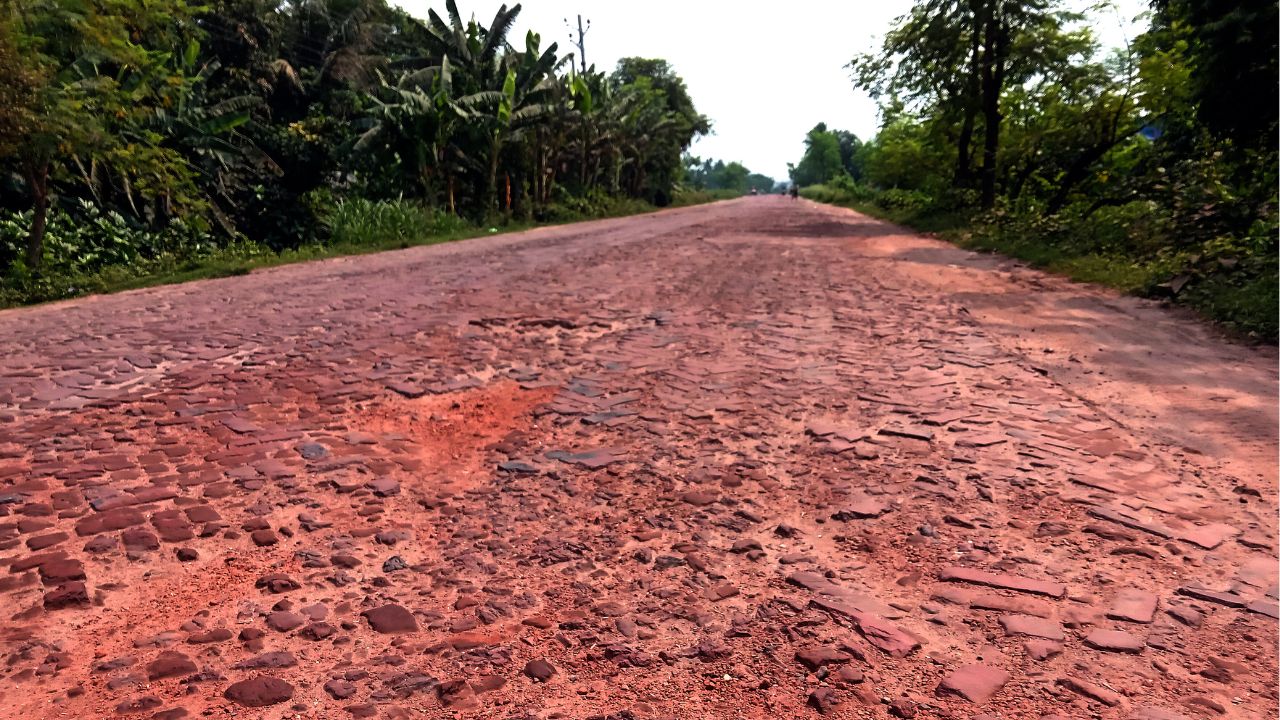
This byproduct of mining, rich in iron compounds, produced a deep red pigment that resembled brick or copper. In an era when brick construction was rare and expensive in Sweden, the colour alone evoked continental wealth and sophistication.
The King’s choice quickly became fashionable. Painting a building was itself a luxury at the time, and the red colour became a marker of social status. Members of the nobility followed the royal example, coating their homes in the same distinctive shade. Officers and priests soon adopted it as well, reinforcing its association with authority and prestige.
Because the paint was costly, it was often applied selectively. Many houses were red only on the front, while the sides and backs remained untreated.
By the mid-19th century, the story of the red cottage took a decisive turn. As production methods improved and the pigment became more affordable, red paint was no longer limited to elites. Ordinary farmers and rural households began to use it.
This period coincided with broader social and cultural shifts. Artists and writers romanticised rural life, presenting the red-painted wooden house as a symbol of simplicity, tradition and closeness to nature. What had once represented wealth now came to embody modest prosperity and rootedness.
The enduring popularity of the red cottages owes much to practicality as well as symbolism. The paint, now known as Falu Rödfärg, is still produced using refuse from the Falun mine pigment is mixed with water, rye flour and linseed oil.
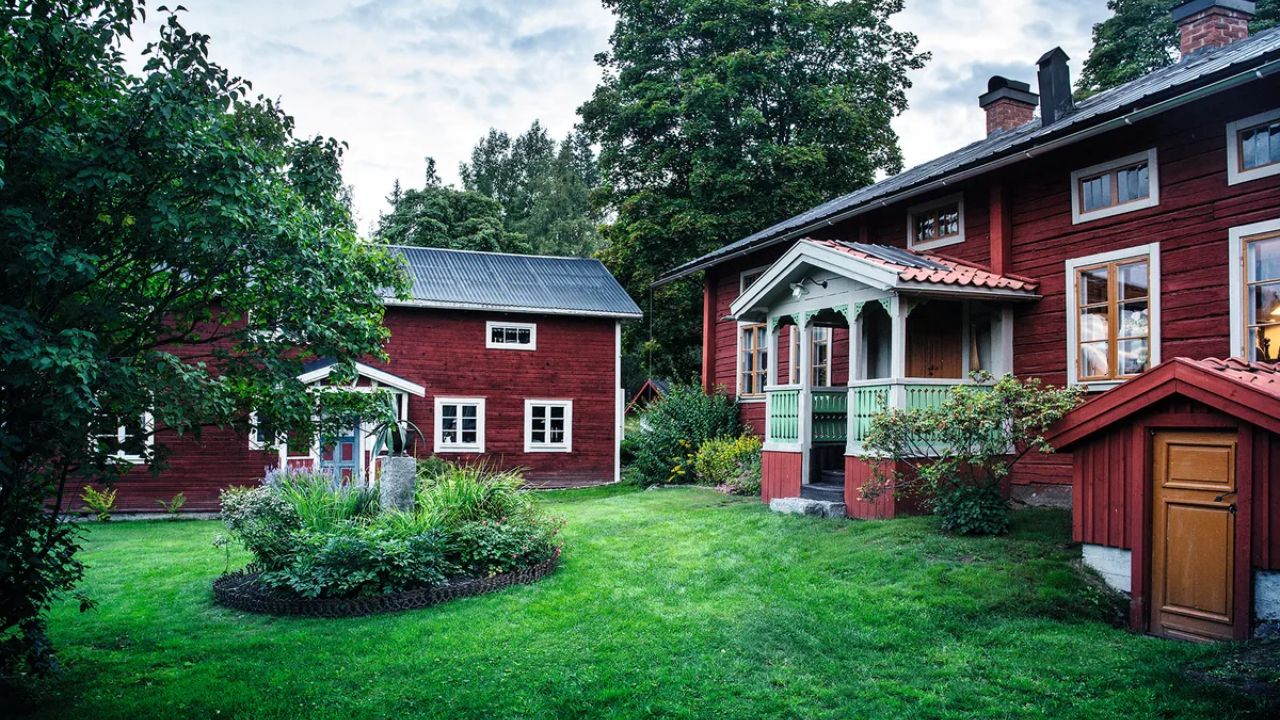
The iron oxide in the pigment acts as a natural preservative, protecting wooden buildings from harsh weather conditions. Durable, sustainable and breathable, the paint proved ideally suited to Sweden’s climate. Over time, it became widely available, and today it can be purchased in local hardware stores across the country.
In the early 20th century, a home ownership movement spread across Sweden, reinforcing the red cottage as a national ideal. The red rural cottage came to symbolise “the good life” at a moment when a new Sweden was being imagined and built. The colour fit perfectly into this vision – traditional, resilient and distinctly Swedish.
Against white snow, the deep red walls stood out vividly, embedding themselves further into the national consciousness. Red and white cottages became visual shorthand for the countryside, seasons and a slower pace of life.
Today, red cabins remain a beloved feature of rural Sweden and other Scandinavian countries. Once reserved for wealthy landowners and churches, they are now a shared cultural inheritance. Renting a red-painted holiday house is, for many visitors, part of the quintessential Swedish experience – an invitation into landscapes shaped by history, industry and tradition.
From iron-rich waste at the bottom of a copper mine to a defining symbol of Swedish identity, the journey of the red cottage tells a larger story. It is a reminder that national heritage is often built not only from grand ideas, but from practical solutions, local materials and the quiet spread of everyday choices across generations.


