Bangladesh’s tourism numbers tell an interesting story: The government is targeting 55.7 million tourists and 2.19 crore jobs in the sector by 2040 under its new Tourism Mega Plan. But current safety infrastructure lags well behind that ambition: There are just 1,400 tourist police officers covering roughly 1,600 tourist spots nationwide. Solo travellers, and solo women in particular, feel that gap most acutely.
The throughline across most of Bangladesh’s tourism challenges is this: The country already has more of the pieces than its reputation suggests: A tourist police force, a helpline, an app, a revised national policy, private operators building solo-safety products.
What is missing is less invention than visibility and scale, making travellers actually aware these things exist, and expanding them enough that they are reliably present rather than concentrated in Dhaka and Cox’s Bazar. That is a much more solvable problem than “Bangladesh isn’t safe,” which is the perception the country is actually fighting.
At the government and policy level, several steps could make a significant difference. The Tourist Police force is currently spread too thin to be a reliable presence anywhere. Even where they do exist, surveys have found only about 30% of aware travellers actually encounter them: Visibility, not just headcount, is the problem. More officers stationed at attractions in recognisable uniforms would do more for perceived safety than the raw number suggests.
The Bangladesh Tourist Police already runs a 24/7 helpline and an app for this purpose. Yet, most travellers, foreign or domestic, have never heard of either. A basic awareness campaign – airport signage, hotel check-in materials, SIM card vendors handing out a card with the number – would make an existing resource actually usable.
The 2025 revision of the National Tourism Policy moves toward regulating tour operators and online travel agencies properly. Enforcing it (licensing requirements, published safety standards, a public complaints registry) would reduce the current situation where a solo traveller has no way to vet an operator before booking.

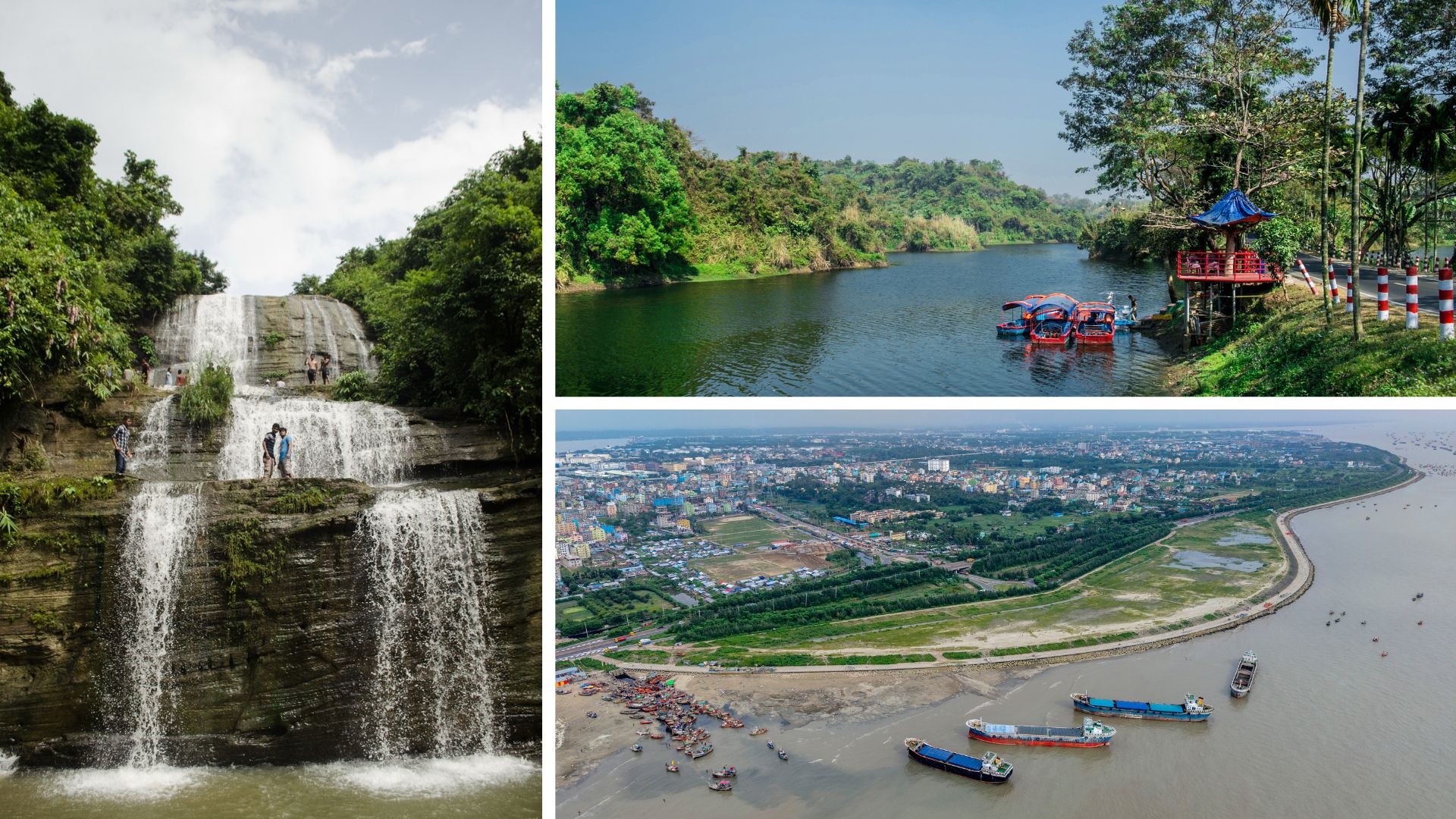

For hotels and accommodation, single-occupancy pricing that is not punitive is essential. Many properties price rooms per-room rather than per-person, quietly discouraging solo travel by making it disproportionately expensive. More hostels and social accommodation, especially outside Dhaka, would help fill the gap: Sylhet, Sreemangal, Cox’s Bazar, and Bandarban are obvious places to start, given they are already flagged as the more tourism-ready regions.
Female-staffed floors or verified-safe listings for women travellers, along the lines of what women-focused hotel chains do elsewhere in South Asia, would offer an option that is clearly signposted for travellers who want it.
At tourist sites, CCTV and better lighting have been flagged by research on Bangladesh’s tourist police interventions as one of the more effective, low-cost trust-builders. Posted emergency contacts and clear signage in English and Bangla at every major site is currently inconsistent outside a handful of well-known spots.
Community-based tourism models, like the Bangladesh Tourism Board’s ILO-backed project in Jaflong’s Khasia Punjee area, are worth replicating elsewhere. They give local communities a direct stake in a site staying safe and well-kept for visitors, rather than tourism happening around them.
Road accidents, not crime, are consistently flagged as the highest actual risk to travellers in Bangladesh. Stricter enforcement on unregulated intercity buses and CNGs, and encouraging verified ride-hailing over street hailing, would address the thing most likely to actually hurt a solo traveller.
A solo-friendly culture would also help. Smaller portion options in restaurants and normalised single seating would make solo diners feel less conspicuous. Basic staff English or multilingual menus in tourist-frequented areas would ensure a foreign solo traveller is not dependent on a local companion just to order food.
Finally, Bangladesh’s tourism marketing skews toward families and groups. A campaign built around its actual advantages for solo travellers – genuinely low costs, an intensely hospitable culture that repeatedly comes up in traveller accounts, and destinations like Sylhet and Sreemangal that are already considered easier and safer – would target a growing global travel segment that current messaging mostly ignores.
The pieces exist. The challenge now is making them visible, accessible, and scaled, so that Bangladesh can welcome not just 55.7 million tourists, but the kind of traveller who might just come alone.