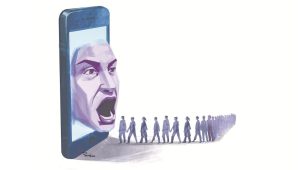



Politics is supposed to evolve with people. But in Bangladesh, the public has moved faster than the political playbook. Citizens- especially the young- think, communicate, and decide in a very different way than they did even 10 years ago. Yet, many political actors are still using the same old tools: loud slogans, long speeches, and familiar promises. Here’s the thing. This gap is now costing trust, relevance, and engagement. If politics wants to connect with today’s Bangladesh, it needs a real marketing strategy, not just noise.
At its heart, marketing is about understanding people and shaping value around their needs. At least in principle, politics aims for the same thing. The problem begins when political communication stops paying attention to how people actually live their lives, absorb information, or form opinions. Modern marketing offers something politics desperately needs- a structured way to listen, understand, and respond.
Think of any strong brand. It doesn’t assume the audience will accept whatever it delivers. It studies behaviour, it segments its audience, it crafts tailored messages instead of blanket statements, and, most importantly, it adapts quickly. Politics in Bangladesh rarely works this way and that’s exactly why a strategic shift is overdue.
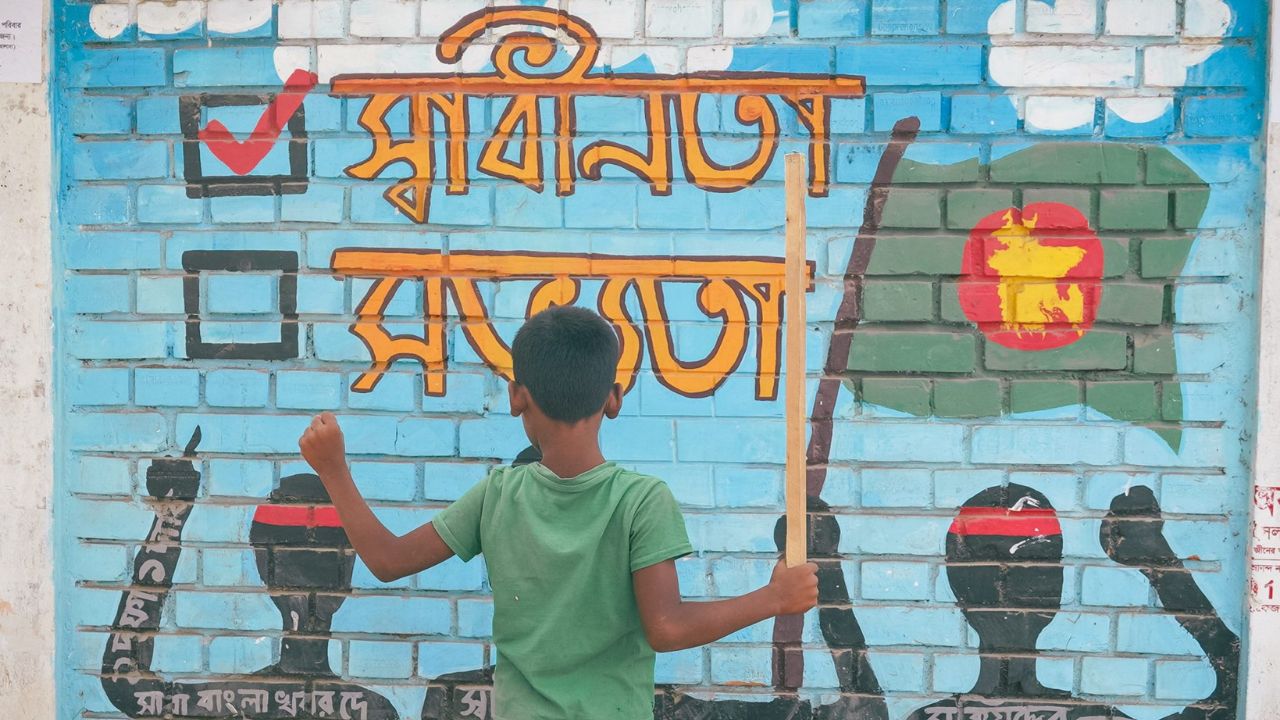
More than 40 percent of our population is under 25. This group isn’t engaged by monologues at rallies. They’re digital natives. They think visually, they want evidence, and their attention moves fast. They’re used to global content, global leaders, and global comparisons. They don’t accept vague rhetoric. They ask questions: What’s the plan? How will this affect my job, my income, my safety? Why should I believe you? A political party can’t answer these questions with slogans alone. It needs proper research, sharp positioning, and clear communication. That’s marketing.
Every political party in Bangladesh carries a brand identity; whether they manage it or let it drift. Over time, public perception becomes cluttered with stereotypes, nostalgia, or frustration.

Good marketing forces a party to ask what they stand for today, what problems are we uniquely positioned to solve, and how do we differentiate ourselves in a noisy landscape?
Without a coherent position, communication becomes scattered. Leaders sound different from one another. Social media teams push content without direction. Policy messages fail to land. People get confused and tune out. A well-defined political brand gives clarity. It becomes the anchor for every statement, every policy, every campaign.
Look at political campaigns across the world. Elections are now won on data: voter analytics, behavioural insights, sentiment tracking, community mapping. Parties know exactly which message works with which demographic and why. Bangladesh cannot run political engagement on gut feeling anymore.


Data-driven political marketing helps answer the issues that matter the most to young urban voters, perceiving economic change in rural communities, narratives and causes of fatigue towards building hope, and why is trust declining. Good data doesn’t manipulate public sentiment. It clarifies it. And clarity leads to smarter decisions, both for campaigns and policymaking.
The days of long press conferences and repetitive slogans are over. People scroll. They skim. They multitask. Political communication must meet the public where their attention already is short crisp and contain meaningful messages. They should also be visually attractive with a consistent digital presence, rapid response systems, fact-checking and myth-busting, and have a real-time community engagement.
Right now, Bangladesh’s political communication is often one-directional. Leaders talk and the public listens or ignores. Marketing flips this dynamic. It builds conversation, not instruction. It listens first, then responds. That shift alone can rebuild enormous goodwill. Policies may be technically sound, but people don’t vote on technicalities. They respond to stories. They connect with lived examples. They understand how a policy touches their daily life. The best political communicators in the world are master storytellers. They take complex ideas and translate them into simple human language.
Bangladesh needs this more than ever. Whether it’s job creation, education, security, or economic reform, people want stories that explain how change will feel, not just how it looks on paper.
Public trust is one of the biggest casualties in the current political climate. People trust institutions less. They trust leaders less. They’re tired of promises. They’re skeptical of intentions. Trust won’t return through dramatic speeches. It returns through consistent communication, transparent actions, and explanations that feel honest.
Marketing provides the tools of continuous listening, human-centered messaging, policy storytelling, building a community relationship, and providing regular updates instead of last-minute announcements. When people feel seen and heard, trust slowly returns. Politics becomes less confrontational and more collaborative.
Bangladesh stands at a turning point. The population is young, ambitious, and more connected to the global world than ever before. They want leadership that understands them, speaks their language, and respects their intelligence. Marketing isn’t about selling politics. It’s about making politics more human, more structured, and more accountable.
If political actors embrace this shift, three things will happen. Firstly, citizens will feel more engaged with the leaders. Secondly, the policies made by the leaders will make more sense. Finally, the trust in the political system will bring itself back on track.
From slogans to strategy- that’s the journey ahead. The political future belongs to those who understand people, listen with intent, and communicate with clarity. That’s the new marketing playbook. And it’s time Bangladesh put it to work.
The writer is a Marketing Management Expert, Policy Consultant & Political Analyst