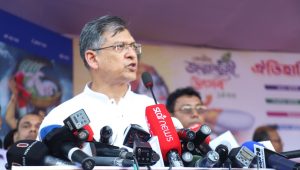
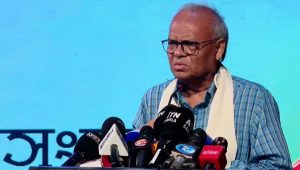
The political landscape of Bangladesh has undergone a seismic shift following the “Gen Z” uprising of July 2024, yielding a result that few analysts anticipated – the significant revival of Islamist politics.
In the wake of the student-led uprising that ousted prime minister Sheikh Hasina Wajed, the country’s largest Islamist party, Jamaat-e-Islami, has transitioned from a banned organisation to the nation’s primary opposition.
Securing approximately one-third of the total vote in last month’s election, the party has staged a historic comeback by strategically distancing itself from its traditional religious platform.
According to an analysis by The Economist, this resurgence is built upon a deliberate “political facelift” led by the party’s current Ameer Shafiqur Rahman.
By downplaying its theological roots, Jamaat has successfully positioned itself as an anti-establishment alternative to the two dynasties that have dominated Bangladeshi politics for decades – the election-winning BNP and the now-ousted Awami League.

Jamaat’s campaign focused heavily on themes of anti-corruption, change, and good governance, contrasting itself with what it describes as the “family business” models of its rivals, which have long been associated with industrial-scale graft.
A pivotal element of this strategy was executed on university campuses. Last autumn, Jamaat’s student wing dominated major student-union elections through a pragmatic approach to student welfare.
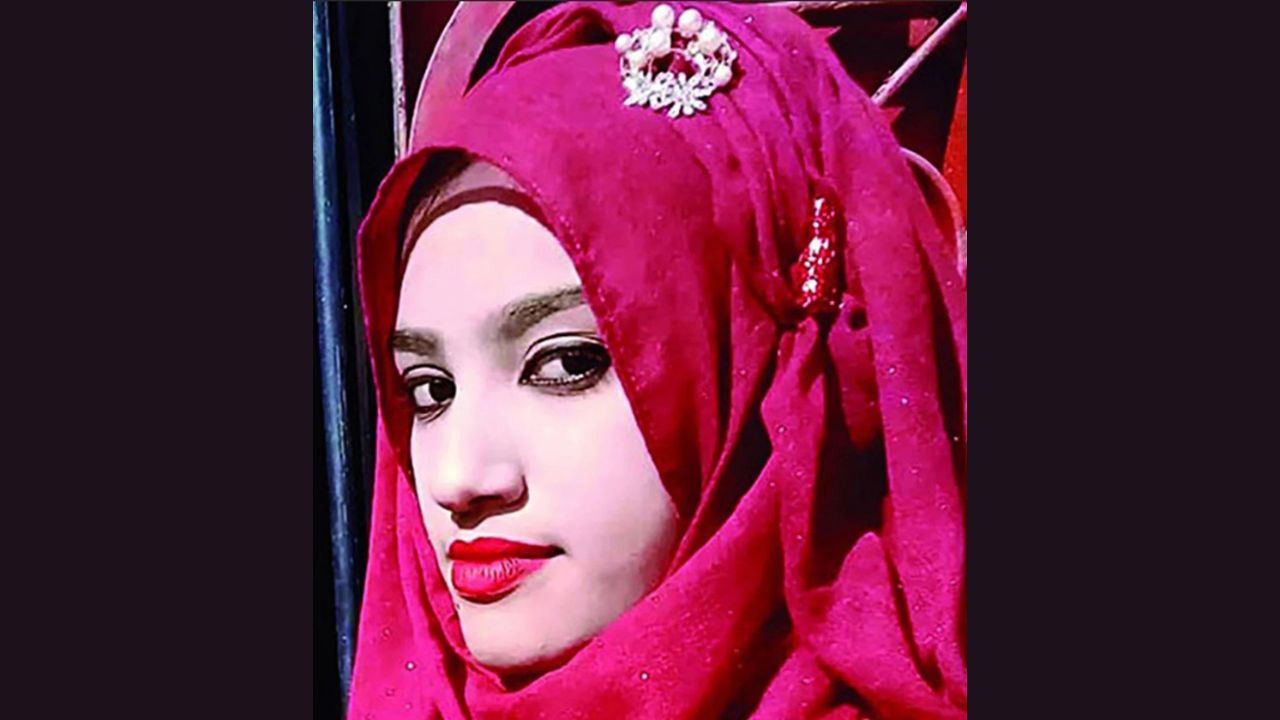



Rather than focusing on religious proselytising, activists gained support by organising study sessions and addressing practical concerns, such as repairing infrastructure in dormitories.
This cultural shift was further evidenced by a “hijab rally” at Dhaka University, which attracted numerous women without Islamist leanings who view the headscarf as a countercultural expression of identity.
Despite this successful rebranding, the party’s internal cohesion and long-term philosophy remain subjects of intense debate.
While Jamaat forged an electoral pact with the amateurish party of the Gen-Z revolutionaries, the alliance saw a departure of star candidates, with only six students eventually securing parliamentary seats.
The party remains divided between moderate and hardline factions.
Shafiqur himself has proven to be an unpredictable figure; his occasional off-script remarks, such as suggesting that biological factors like breastfeeding hinder women’s political leadership, have sparked protests in a nation accustomed to female heads of government.
As Jamaat-e-Islami looks toward future governance, its public rhetoric has shifted toward boilerplate centre-right policies.
Shafiqur suggests the party would focus on supporting businesses, reforming education to meet labour-market demands, and purging the bureaucracy of partisan corruption.
When questioned on the role of Sharia – to which the party remains theoretically committed – Shafiqur insists the concept is defined by “justice, welfare and restraint of power.”
However, as noted by figures such as the BNP’s new finance minister, Amir Khasru Mahmud Chowdhury, the true nature of the Bangladesh that Jamaat intends to build remains an open and ambiguous question.