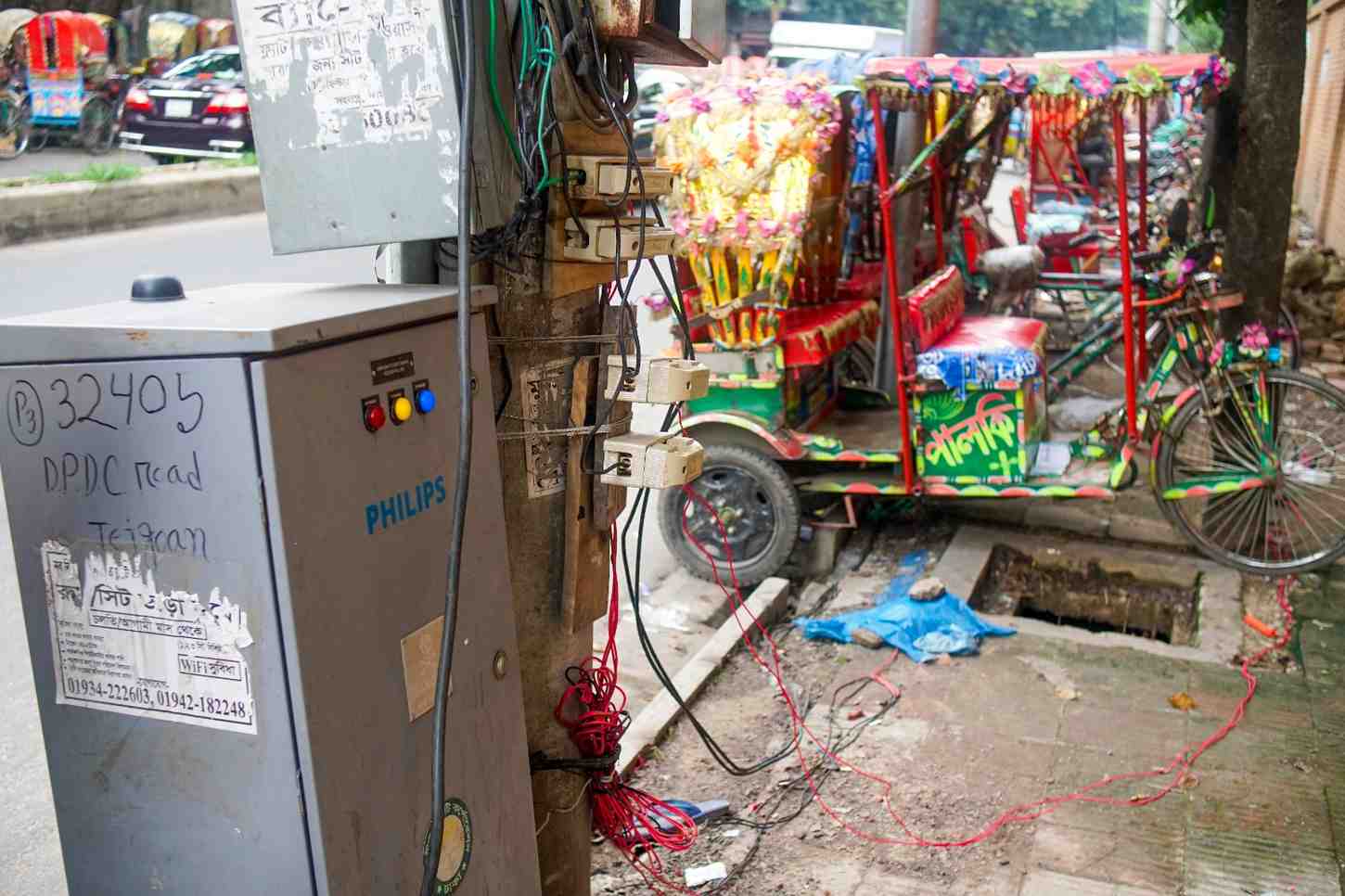
On Tejgaon’s busy streets, the footpaths are no longer just for pedestrians. Between roadside tea stalls and small workshops, tangled bundles of electrical wires hang from utility poles, stretching across walkways to rows of battery-powered rickshaws quietly charging.
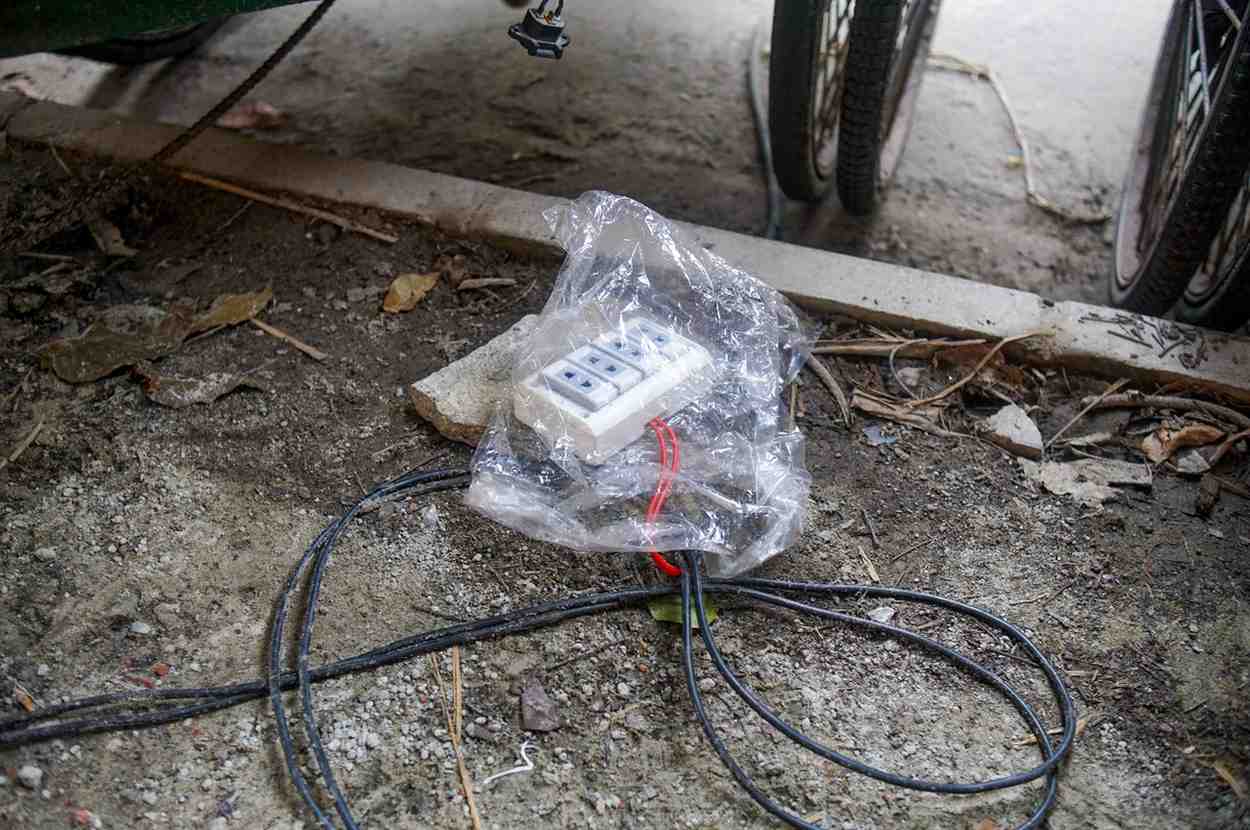
What appears to be an ordinary scene is, in reality, an illegal practice that is draining the national power grid while putting lives at risk.
The government continues to urge citizens to use electricity wisely, especially during periods of high demand. Yet on these same streets, stolen electricity flows openly through makeshift charging points that operate with little fear of enforcement.

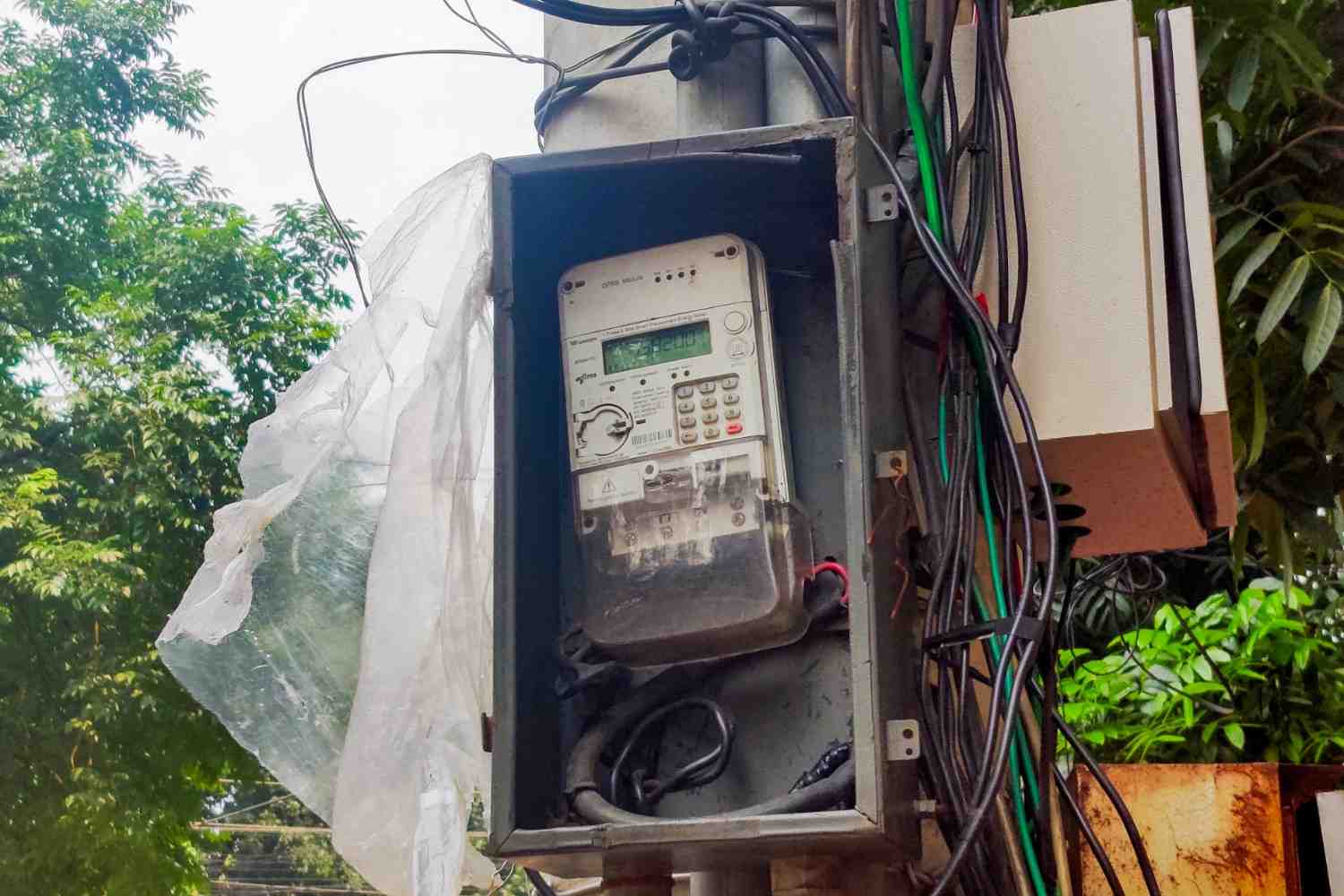
Exposed wires crisscross sidewalks, forcing pedestrians to step around cables that could become deadly during rain or accidental contact.
According to Dhaka Metropolitan Police, there are more than 48,000 unauthorized battery-rickshaw charging points across the capital, with Tejgaon emerging as one of the worst-affected areas. The impact goes far beyond blocked footpaths.




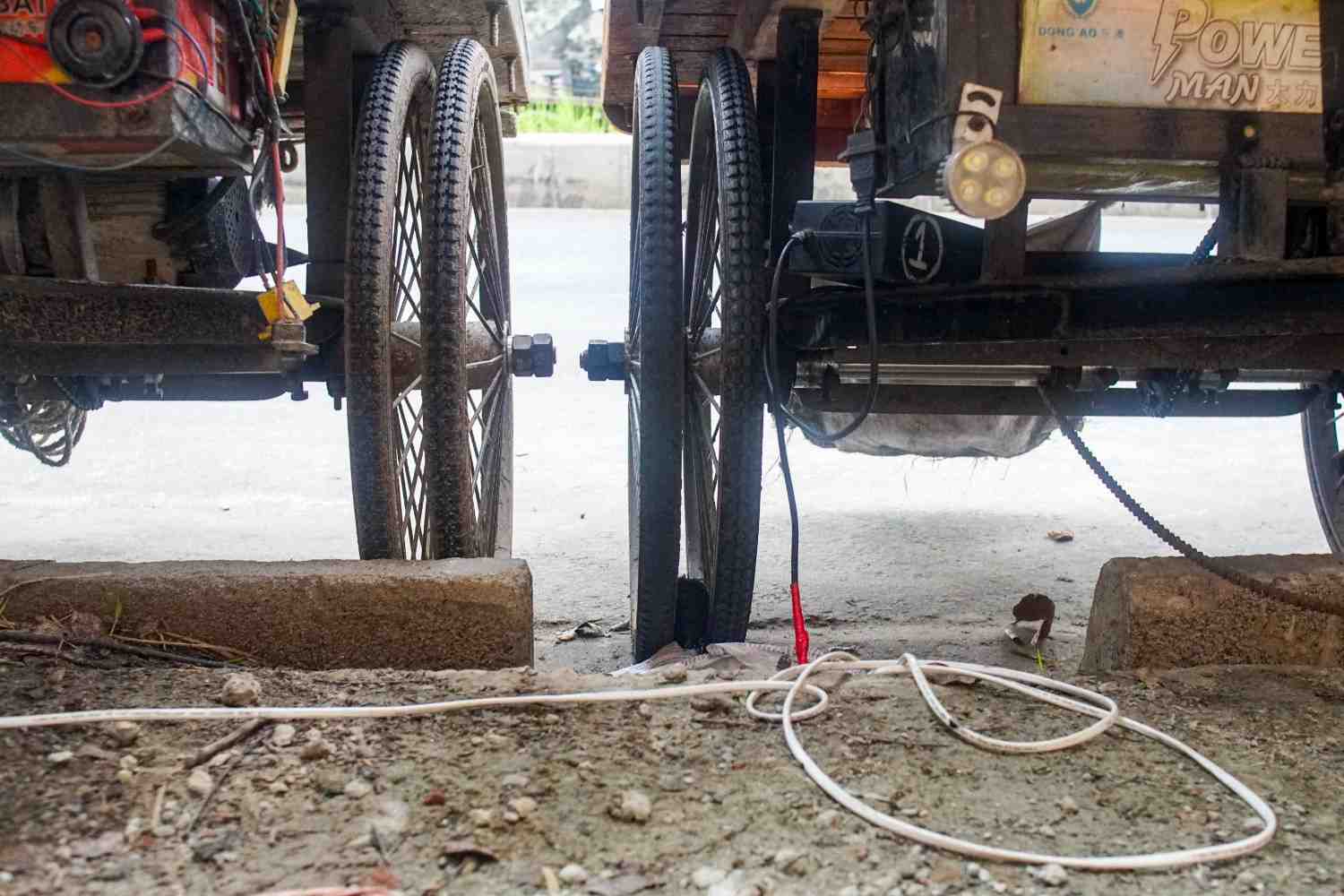
Authorities estimate that electricity worth nearly Tk 4,000 crore is lost every year through these illegal connections, placing additional pressure on an already strained power system.
Energy experts say the growing number of battery-operated rickshaws is becoming increasingly difficult to sustain. Dr Ijaz Hossain, former professor at Bangladesh University of Engineering and Technology (BUET), notes that each electric rickshaw consumes around 6 to 8 kilowatt-hours of electricity every day.
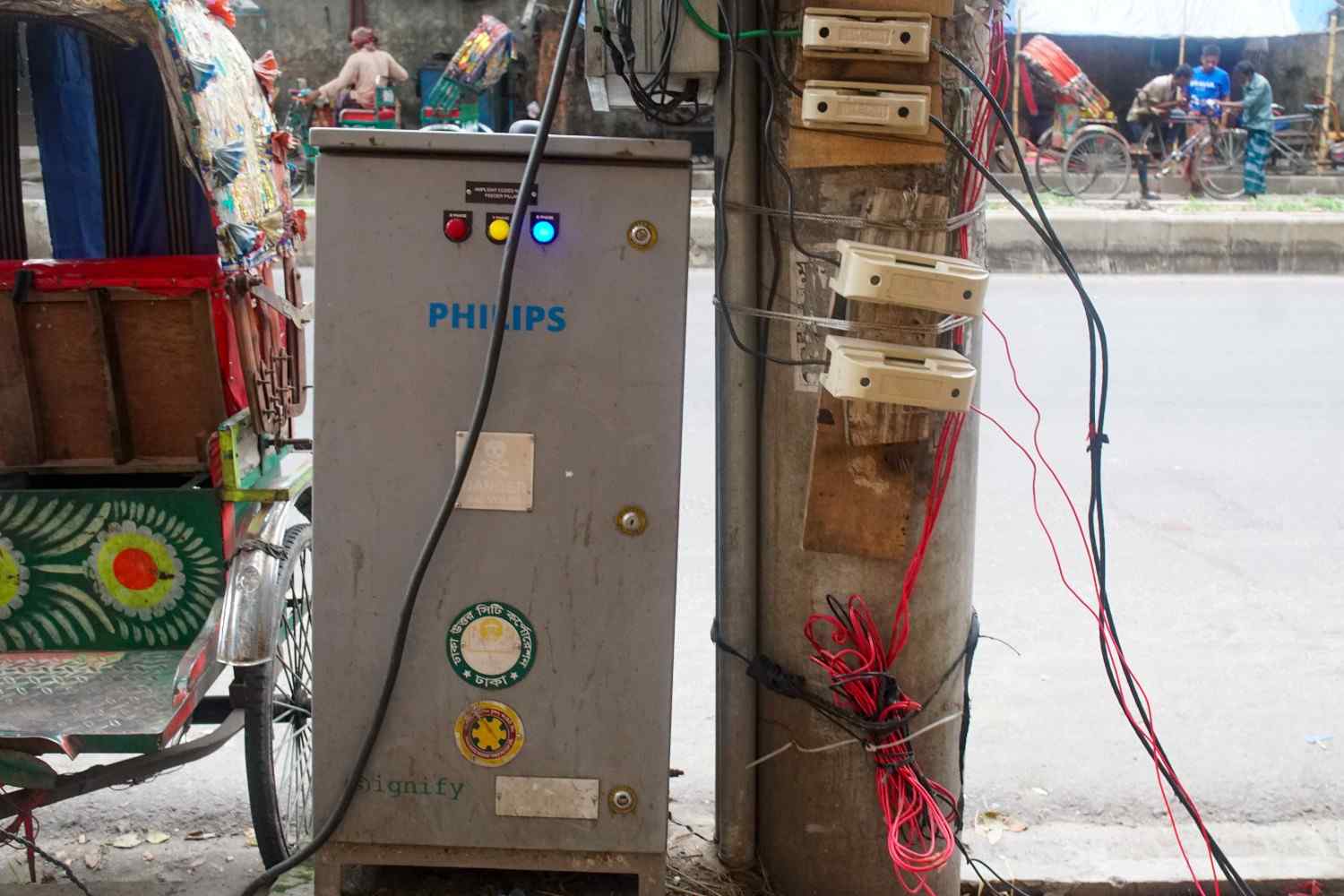
When thousands of these vehicles are charged through unauthorized connections, the cumulative demand weakens the grid and fuels widespread power theft.
For residents, however, the crisis is more immediate than statistics. Children walk past exposed live wires on their way to school, shoppers weave through charging cables, and commuters navigate footpaths that have effectively been turned into open-air garages. Every loose wire is a potential accident waiting to happen.

The government has approved 2,201 legal charging stations to provide a safer alternative. But without stronger enforcement against illegal connections, these initiatives have had little visible impact.
Until authorities reclaim the footpaths and stop the theft of electricity, Tejgaon’s sidewalks will continue to symbolize the gap between policy and reality, where every illegally charged battery comes at the expense of public safety and the nation’s energy security.