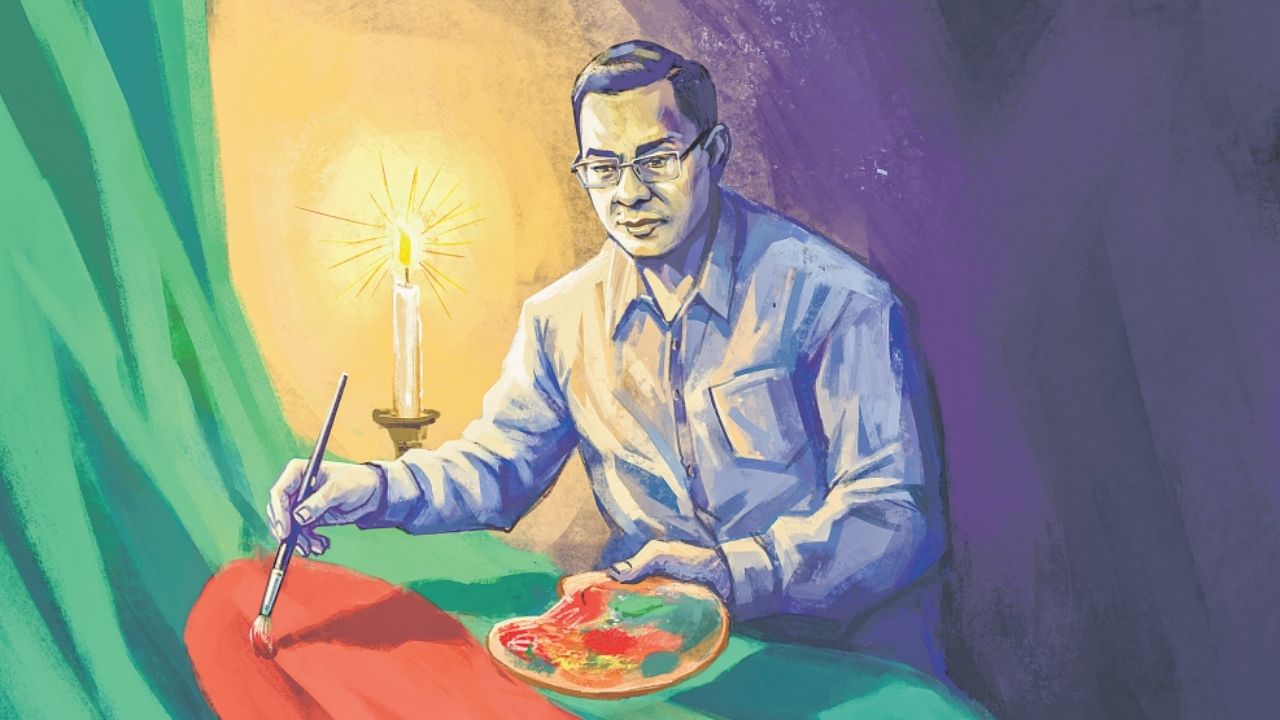



Sheikh Hasina had something Tarique Rahman now has: an overwhelming political mandate.
Hasina wasted it.
Six months into his term, Bangladesh’s new prime minister leads a government with a landslide electoral victory of a scale similar to Hasina’s, a public still willing to give him room, and an opposition more plural than the one Hasina spent fifteen years flattening.
But Tarique faces a challenge his predecessor never fully solved: he has to win at home and with India simultaneously, or he risks losing both.
He has also inherited a country under severe strain: a security apparatus struggling to control mob violence and settle scores, an energy grid too fragile to keep factories running at full capacity, a currency and reserves position with very little room for policy mistakes, and an increasingly assertive Jamaat-e-Islami opposition eager to outbid him from the right. And hanging above all is India, a neighbour that Dhaka cannot ignore, cannot appease indefinitely, and cannot afford to fight.
This is like a trap. Fail domestically, and no relationship with New Delhi can help him. Mismanage India, and no amount of domestic goodwill will be enough to keep the economy and his government stable. Tarique needs to hold both fronts. Losing either one means losing the war.
What really doomed Hasina?
Begin with the lesson that everyone in Dhaka professes to have learned but few have absorbed correctly. Sheikh Hasina was not ousted as a result of India’s loss of support; India backed her to the very end and continues to shelter and protect her. She was toppled because fifteen years of a captured judiciary, a security state that killed and disappeared people with impunity, and an economy that stopped delivering for the young finally exhausted the country’s patience.

Her closeness to Delhi only proved disastrous after domestic legitimacy had already collapsed. It didn’t trigger the collapse; it simply meant that when she needed somewhere to run, she had somewhere to run to.
That is the irony Tarique should sit with: the same relationship that insured Hasina against accountability for over a decade became, in the end, her only remaining asset — a border to flee across rather than a government to save. Dependency on a foreign patron does not prevent domestic failure. It just affects what happens after.
The India test he cannot dodge
None of this suggests India is a side issue. It is the only external relationship that Bangladesh cannot design around. A 4,096-kilometer border, shared rivers, energy imports, and commerce routes make disengagement a fiction, not a strategy, regardless of who holds the prime minister’s office.
Tarique’s own advisers seem to grasp this: rather than rushing the long-promised visit to Delhi, they have reportedly told their Indian counterparts there is no hurry, even though Prime Minister Narendra Modi’s invitation has sat unanswered since February.
That patience is the right impulse, and it should persist.
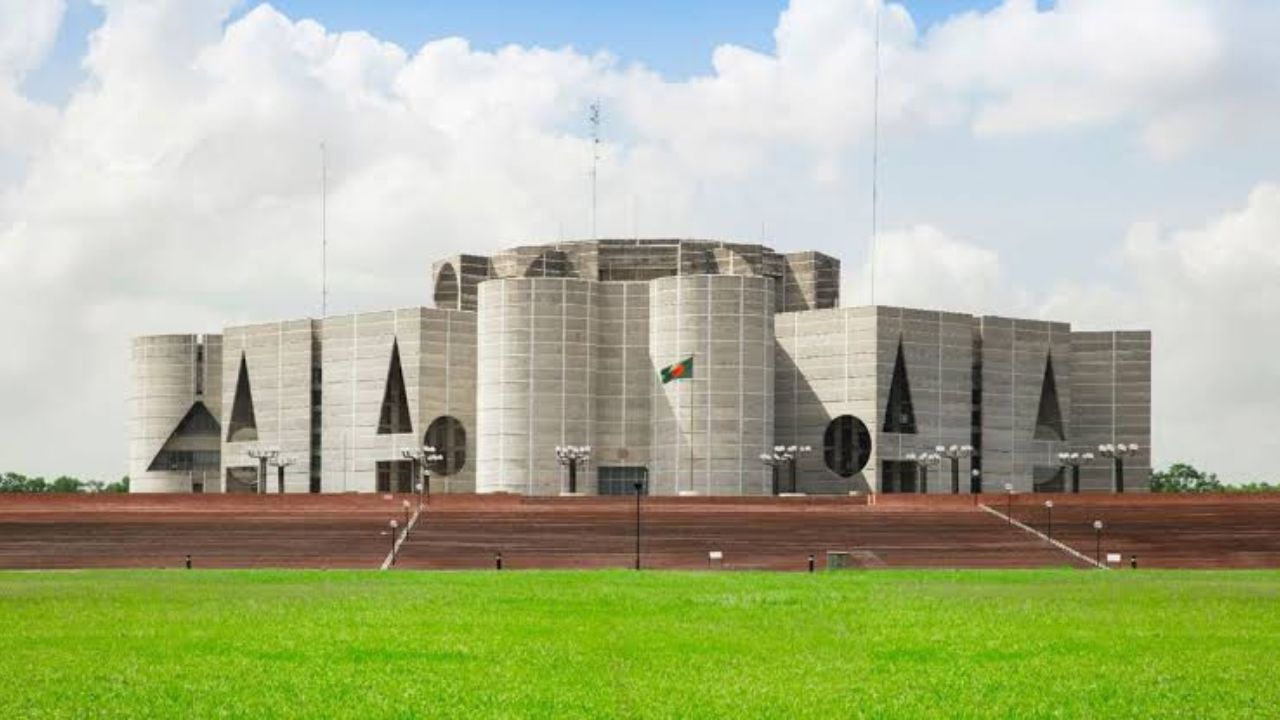


Rushing to New Delhi while Sheikh Hasina is still allowed to give political press conferences on Indian soil and Dhaka’s extradition request for an ousted leader convicted and sentenced to death in absentia has been “under consideration” for 18 months would hand Jamaat and other critics a ready-made grievance that Tarique also needs India more than he lets on.
He cannot allow the Hasina question to dominate the relationship, but he also cannot let it go unanswered. The test is sequencing — extracting something real on transboundary rivers, border killings, trade access, or deportation practices before staging a summit as a victory lap.
Nor can he fall into the opposite trap: performing nationalism for a domestic audience by unnecessarily antagonising Delhi or treating a tilt toward Beijing as a costless alternative. China will gladly play flatterer if Tarique allows it, but a foreign policy based on hedging for its own sake — rather than on what Bangladesh’s economy and security truly require — leaves Dhaka with fewer viable options. India, for its part, also has an interest in a stable, functioning Bangladesh; that provides Tarique leverage, as long as he uses it to bargain rather than to posture.
The distinction he needs to maintain in each of these negotiations is between compromise and dependency.
Every Bangladeshi leader makes concessions with India on rivers, trade, security, and the border. That is not weakness; geography leaves no other option. What is weakness is relying on Delhi’s goodwill to survive politically, as Hasina eventually did.
Managed interdependence, not dependency, is the only durable posture: engage India as a partner whose interests overlap with Bangladesh’s, not as a patron whose comfort must be bought with political concessions, and not as an adversary whose disapproval must be used to gain domestic points.
The front that will ultimately determine Tarique’s fate
Here is the harder truth Tarique’s government has to accept that relationship with India or other global players will not be what determines whether he survives. The economy, stability and employment will.
Investors’ confidence has not returned. Energy shortages continue to throttle the ready-made garment sector that Bangladesh’s entire growth model depends on. Inflation and law-and-order failures are the things ordinary people actually feel, long before they feel anything about river-sharing negotiations or a stalled state visit.
A prime minister who restores basic policing, keeps the lights and gas on for factories and homes, and provides the generation that drove Hasina out with an economic stake in the new order establishes a political base no single diplomatic issue can shake or break.
A leader who ignores any of this, who blames the previous government rather than fixing it, will find that no relationship with India or any other country, no matter how expertly managed, buys him time. It didn’t end up buying Hasina anything.
Two fronts, one war
Bangladesh’s prime minister cannot choose between managing external actors and managing Bangladesh. They are not sequential problems; rather, they are the same problem viewed from two directions.
A government that rules credibly at home walks into any negotiation with any country in a strong position, wanting nothing and capable of bargaining hard. But a government that performs poorly at home will discover that even its friendliest neighbour cannot paper over its weaknesses or resolves its internal fractures.
He has what his predecessor eventually lost: public patience, a plural opposition, and the chance to demonstrate that a democratic mandate is a sturdier foundation for a relationship with India than repression ever was.
Whether that opportunity is seized or squandered will be determined less by what happens on a tarmac in the Indian capital than by the price of essentials, the reliability of the electricity grid, the revival of investment, job creation, the restoration of confidence in democratic institutions and whether the courts are seen to serve the law rather than the party in power.
At the same time, the government must navigate complex diplomatic relations with regional and global players.
Get those right, and India becomes easier to deal with. So do the other players.
Get them wrong, and no amount of diplomacy will matter.