BNP acting chairman Tarique Rahman on Saturday visited the graves of the slain army officers of the 2009 Pilkhana tragedy at the Banani Military Graveyard in the capital.
He offered fateha and paid hounbumage to the military officers who were killed during the 2009 BDR mutiny at Pilkhana in Dhaka.
Tarique also joined a munajat, seeking salvation of the departed souls of the martyrs of the Pilkhana carnage.

On 25 February, 2009, several hundred mutineers of the then Bangladesh Rifles (BDR), now Border Guard Bangladesh (BGB), launched an armed rebellion at the Pilkhana Darbar Hall, killing 74 people, including 57 army officers.
Earlier in the same graveyard, Tarique Rahman also offered fateha at the grave of his father-in-law, Rear Admiral Mahbub Ali Khan.
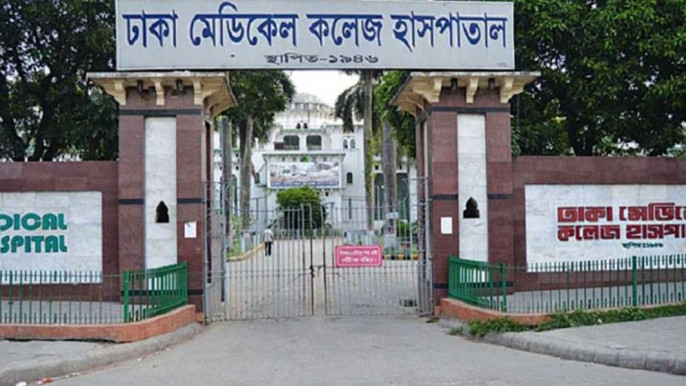
Before that, Tarique visited the grave of his younger brother, Arafat Rahman Koko, at the Banani Graveyard.
He arrived there at Koko’s grave around 1:50 pm after completing the National Identity Card (NID) registration and voter enlistment process at the Election Commission’s National Identity Wing in the city’s Agargaon area.
He offered fateha at his brother’s grave and joined a munajat, seeking the salvation of Koko’s departed soul. From there, he went directly to the Banani Military Graveyard.
Arafat Rahman Koko, a sports organiser, died of cardiac arrest in Malaysia on 24 January, 2015, at the age of 45. His body was brought back to Bangladesh on 27 January and buried at the Banani Graveyard.
This was the first time Tarique Rahman offered fateha at his brother’s grave, as he had been living in exile in London for the past 17 years.
Tarique Rahman returned to Bangladesh on Thursday morning after nearly 17 years abroad.