Sandwip, an island upazila located just 35 kilometres from Chattogram city, has become one of Bangladesh’s most difficult, risky and expensive transport routes.
Passengers often spend an entire day crossing the 13‑kilometre Sandwip Channel due to rough seas, poor infrastructure and alleged syndicate control.
The crisis deepened at the start of Eid‑ul‑Adha holidays, when thousands of homebound travellers crowded Bashbaria ferry terminal amid adverse weather. Speedboats, the fastest and most popular option, were suspended, leaving ferries and larger vessels as the only lifeline.
On Monday, nearly 10,000 passengers were forced to rely on BIWTC ferry “ST Kapotakkho” and passenger vessel “MV Malancha”. Both operated only twice due to tidal limits, stranding thousands for hours.
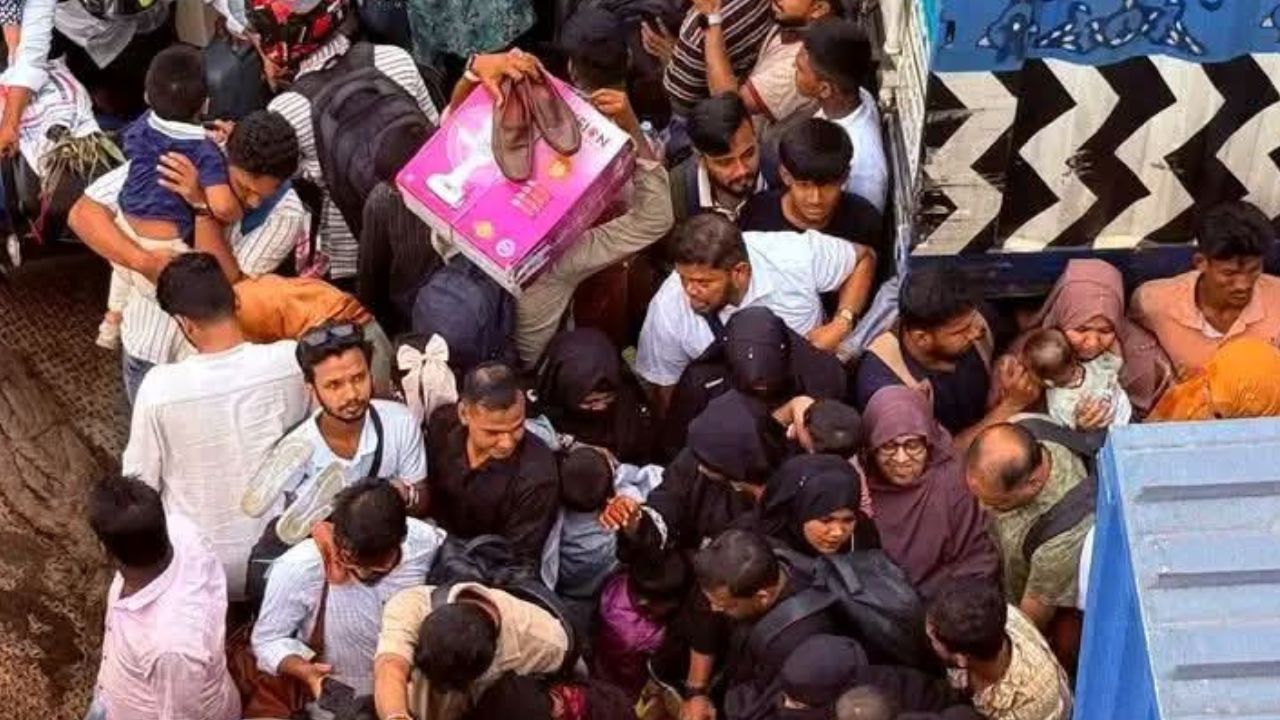
Similar scenes unfolded Tuesday at Kumira and Bashbaria ghats, where women, children and elderly passengers waited under dark skies with no sheds, toilets or drinking water.

Passenger Sheikh Farid, said, “I arrived at 11am but no vessel left because of low tide.”
“Finally, MV Malancha departed at 4:30pm with nearly 3,000 passengers. We reached Sandwip around 7pm. This is not a journey — it is punishment.”
BIWTC Director (Commerce) SM Ashikuzzaman admitted Sandwip is the most hazardous of the corporation’s island routes. “The channel suffers from severe navigability problems and turbulent sea conditions simultaneously,” he said.




Only a few years ago, conditions were worse. Small wooden boats and overloaded trawlers were the only options, leading to multiple fatal accidents. Locals claim dozens of passengers have died or gone missing in separate incidents over the past decade.
Following the Padma Bridge inauguration, idle ferries from the Mawa route were reassigned to Sandwip and Hatiya. Safety improved somewhat, but incomplete infrastructure created new failures.
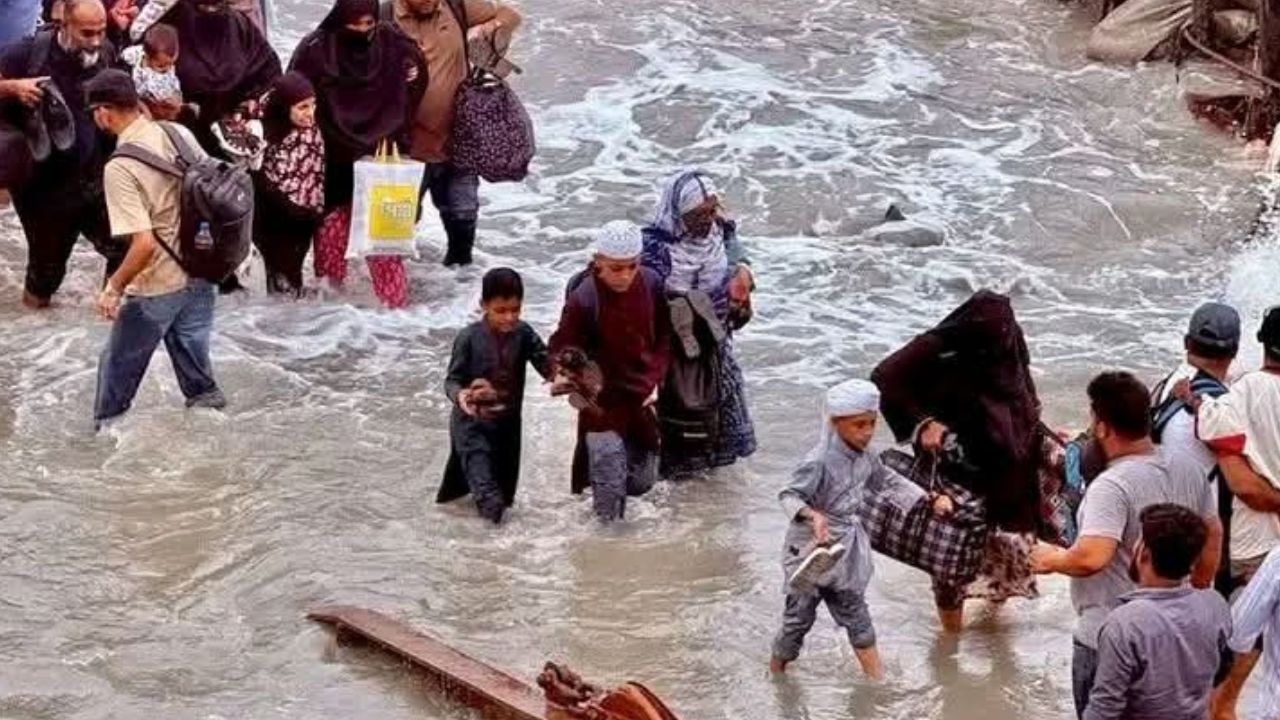
Ferry pontoons often go underwater during high tide, while docking becomes impossible at low tide. Passengers must wade through mud and unsafe structures to board.


“We change transport four to five times to reach Sandwip from Chattogram, spending Tk1,000–1,200 per trip,” said garment worker Mohammad Mishu. “Travelling nearly 300 kilometres to Dhaka often costs half that.”
Despite Tk200 crore spent over the past decade on jetties, ferry terminals and embankment roads, safe boarding remains elusive. BIWTA engineer Ashraful Islam said construction is ongoing and sufferings should ease once projects finish.
Passengers allege syndicates manipulate services. Khademul Islam said, “Speedboat syndicates control the route.”
He added, “They suspend larger vessels whenever weather improves slightly, forcing passengers onto speedboats where profits are higher. Safety is secondary.”
Women and families face inhumane conditions. “There are no proper waiting facilities, toilets or shelter. It feels like a humanitarian crisis,”
Porters at Bashbaria terminal were also accused of extortion. “They grab luggage and demand excessive money. If anyone protests, they are harassed. There is almost no monitoring,” said Omar Faisal.
Sandwip, home to nearly 400,000 people, remains dependent on water transport as its only mainland link. Residents argue ferries alone cannot solve the crisis. They demand deep‑sea jetties, modern terminals, weather‑resilient vessels, stronger management and strict action against syndicates.
Without structural reforms and sustainable investment, the Sandwip Channel will continue to symbolise isolation, uncertainty and suffering for Bangladesh’s coastal communities.