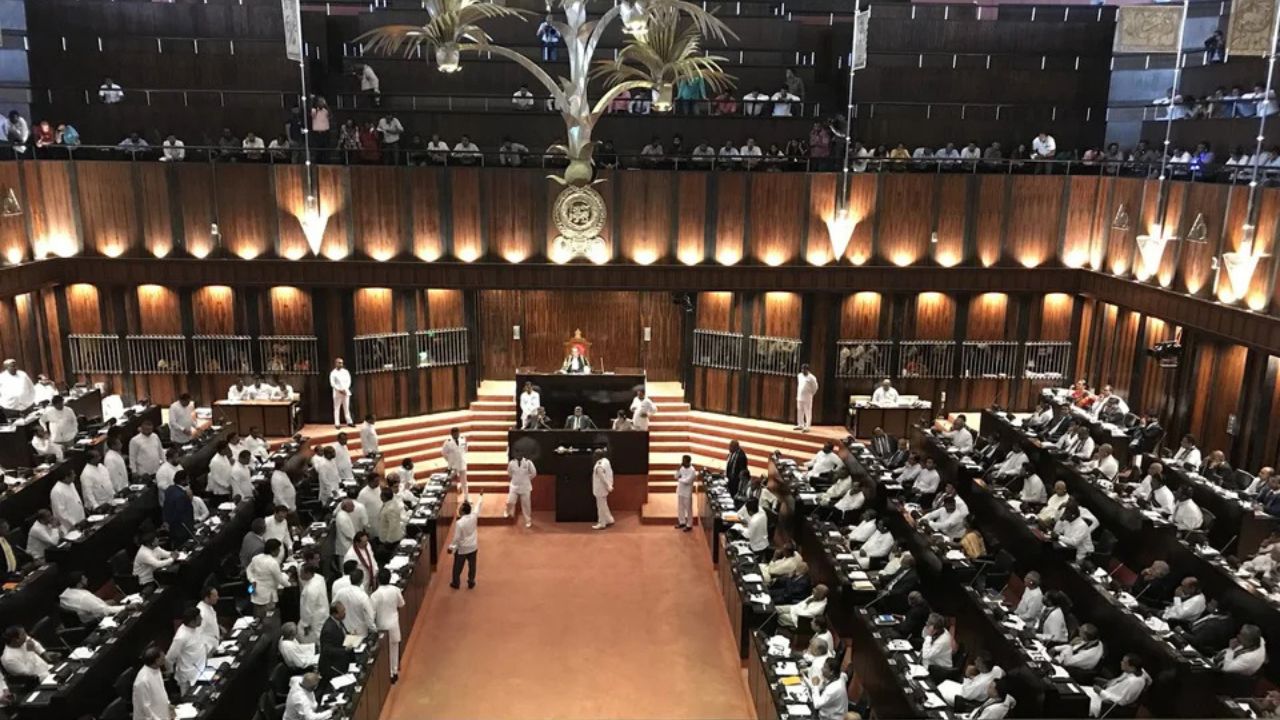

Sri Lanka’s Parliament has voted to abolish pensions for legislators, delivering on a key election promise by the ruling government amid public anger over the country’s economic crisis.
Lawmakers approved the bill on Tuesday by 154 votes in the 225-member House. Only two members voted against it, while the rest were absent during the vote.
Under the previous system, a member of Parliament became eligible for a lifetime pension after completing a five-year term. The new law ends payments for those already receiving the benefit as well as for those who would have qualified in future.

President Anura Kumara Dissanayake, elected in 2024, had pledged during his campaign to end the pension scheme as part of broader efforts to cut political privileges and restore public trust.
In September, his government also withdrew state benefits for former presidents following strong public demand. The decision ended government-funded housing, allowances, pensions and transport. Offices and staff for former presidents and their widows were also discontinued. Sri Lanka currently has five living former presidents and one widow.



Dissanayake came to power on a wave of public resentment against political leaders blamed for the country’s worst economic collapse in 2022. The crisis caused severe shortages of food, fuel, medicine and electricity and triggered mass protests that forced then president Gotabaya Rajapaksa to resign.
Justice Minister Harshana Nanayakkara presented the bill in Parliament, saying the government had honoured its election pledge. He said lawmakers had no moral justification to draw pensions while the country was still struggling to recover from the crisis.
Sri Lanka declared bankruptcy in April 2022 with total debt exceeding $83 billion, more than half owed to foreign creditors. The country secured a four-year $2.9 billion bailout from the International Monetary Fund in 2023, which required debt restructuring.
Authorities later said they had completed the restructuring process after reaching agreements with bilateral and multilateral lenders as well as private bondholders. The country is seeking about $17 billion in debt service relief.
The economic collapse stemmed largely from policy mismanagement, compounded by the impact of the Covid-19 pandemic and the 2019 terror attacks that severely hit the tourism sector. The pandemic also disrupted remittance inflows from Sri Lankans working abroad.