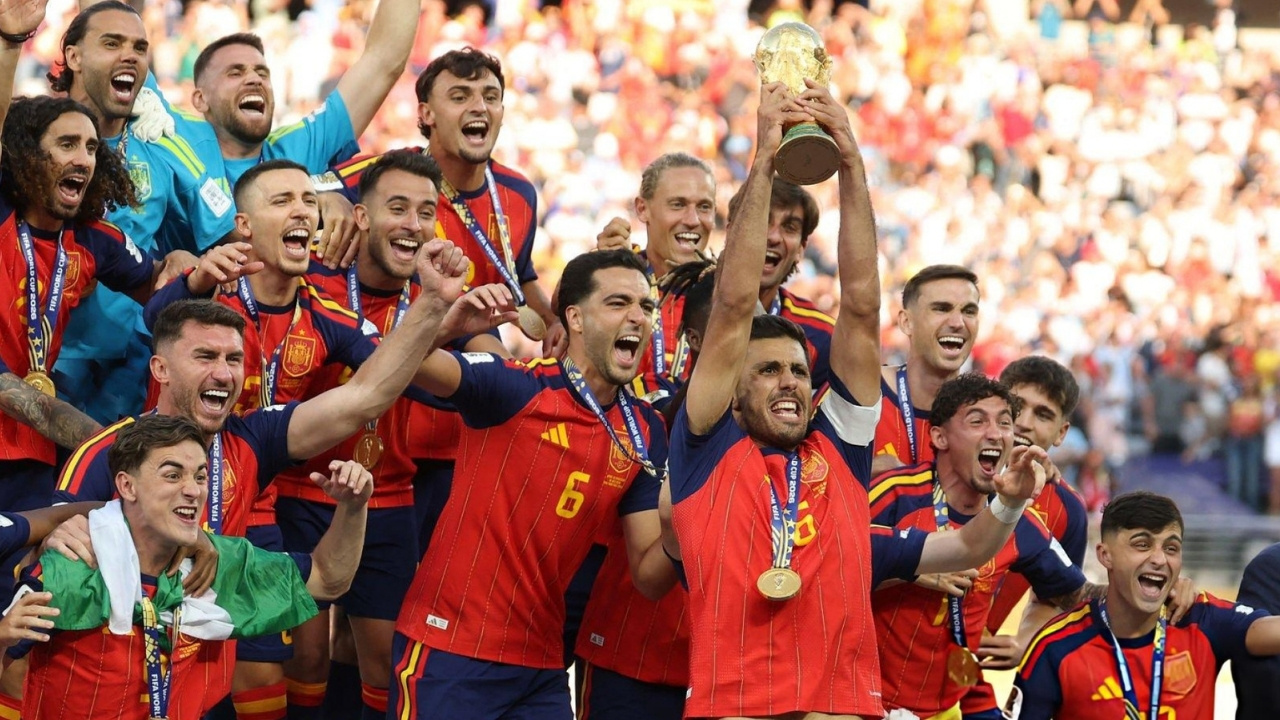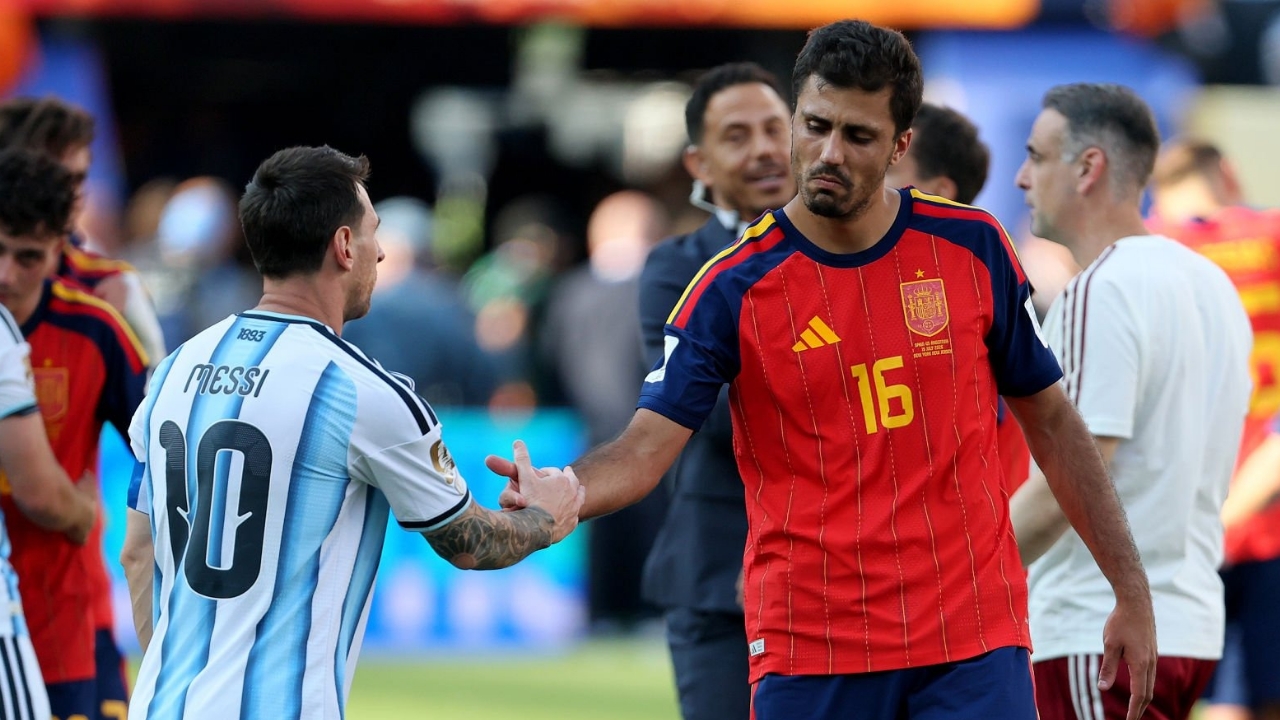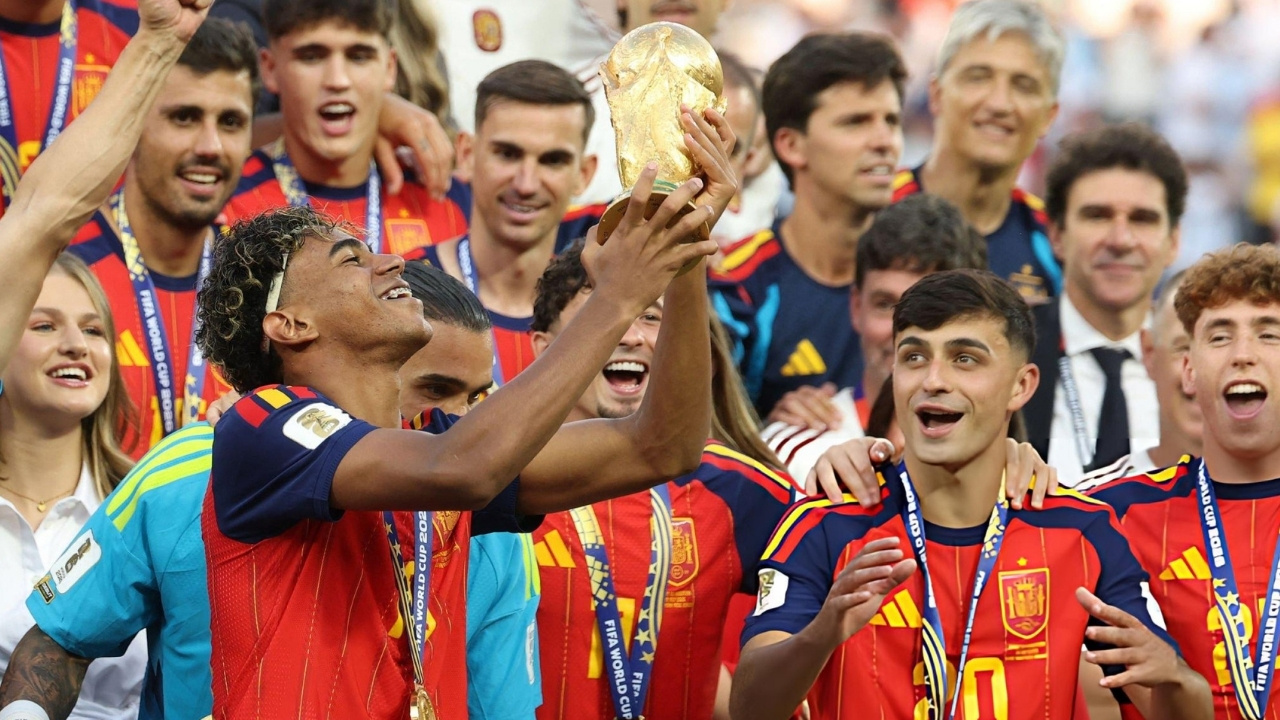

Spain went full circle on Monday, from silk to sludge, from purity to persistence, and still ended up exactly where they wanted to be, World Cup champions, with the ball at their feet and belief in their bones.
Their 1-0 win over Argentina was not a departure from their identity but a muddier reaffirmation of it. Spain passed, probed and protected the ball as though it were national treasure, refusing to panic as Argentina dug in and the clock ticked towards the end of extra time. Fittingly for a side built on the idea that no player is bigger than the whole, the winner came from the bench, set up and scored by substitutes Nico Williams and Ferran Torres, the third time in the knockout rounds that a replacement had struck the decisive blow for Spain.
Spain finished with more than 65 percent possession, 12 shots on target and more than twice as many completed passes as Argentina, who did not manage their first effort, off target, until near the end of extra time. It was domination, though not total destruction. Spain still had to work for it, with their familiar weakness, the absence of a classic centre forward, exposed by the number of chances they created without finishing. That remains close to the only exposed part of a team otherwise wrapped in collective certainty.

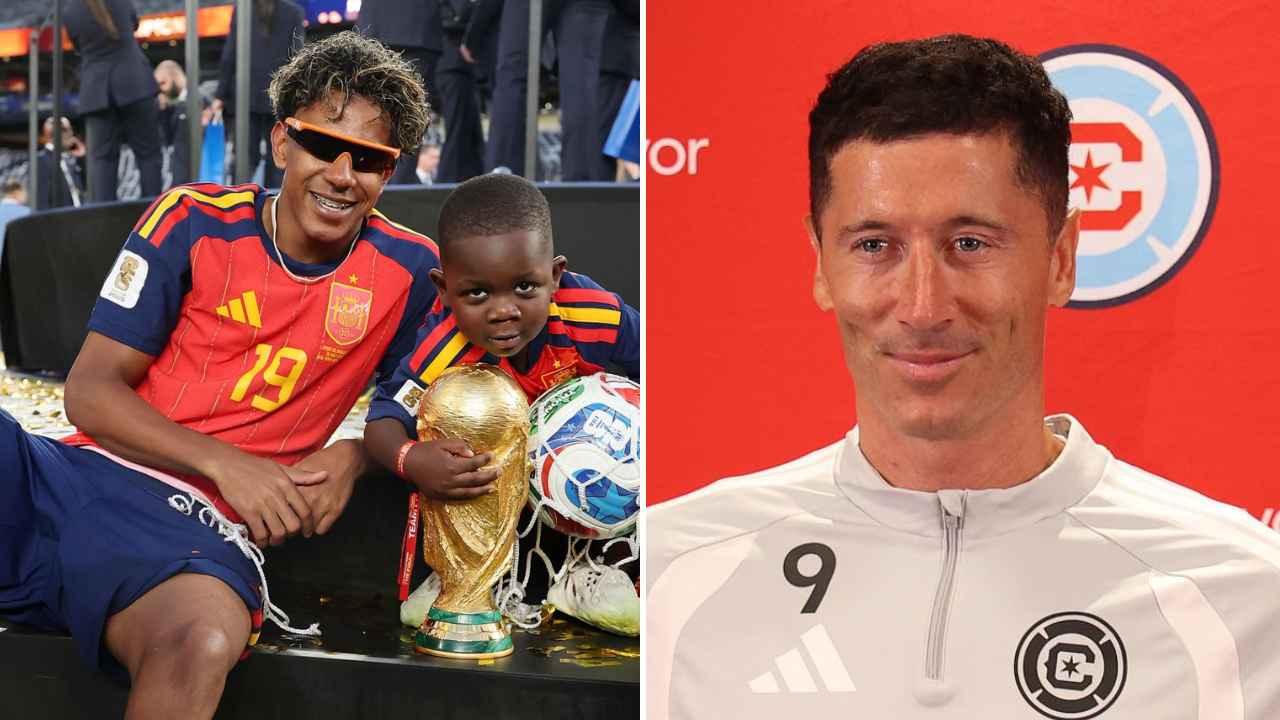
Spain’s dominance came even without their brightest individual talent at his best. Lamine Yamal started the tournament carrying an ankle injury that kept him out of the opener against Cape Verde, before scoring on his first start in a 4-0 win over Saudi Arabia. He finished the tournament with just that single goal, a quiet campaign by his standards, yet Spain won regardless. Sweden great Zlatan Ibrahimovic said the result spoke to the strength of the team as a whole. “He came into the tournament and he wasn’t 100 percent,” Ibrahimovic said. “He didn’t have his best tournament, and still Spain dominated every game. That says how good they are as a team, even if Yamal didn’t perform. They won the World Cup without this guy performing like he normally does.”
Ibrahimovic pointed to Spain’s suffocating style of possession football as the deciding factor throughout the tournament. “That says how good Spain is, because when they start to play and do those passes, they take your spirit away. They take your hope away,” he said. “I know as a player, if I don’t touch the ball, if the opponent always keeps the ball, I get crazy. I lose patience. You want to start running after them. You want to start kicking. That is what they did with every team in this tournament. In the end, they are the best nation in the world.”
Spain swept the individual tournament awards, with Pau Cubarsi named best young player, Unai Simon best goalkeeper and Rodri the tournament’s most valuable player. Only the Golden Boot escaped them, going to France’s Kylian Mbappe. Even that felt fitting. Spain’s triumph was never about one prolific scorer, their 14 goals across eight matches shared among eight different players, echoing their European Championship win in 2024, when they scored a tournament record 16 goals through 10 different players.
The victory over Argentina stretched Spain’s unbeaten run to 38 matches, moving them past Italy’s previous record and underlining three years of dominance in international football. It was also personal vindication for Luis de la Fuente, once dismissed by sections of the Spanish media as Luis de la “Who” after spending much of his coaching career in the Spanish federation’s youth ranks, and who has now turned that patient apprenticeship into the biggest prize in the sport.
This Spain side is also a reflection of the country itself, stitched together from different regions, accents and identities. Players from the Basque Country such as Mikel Oyarzabal, Simon and Mikel Merino shared the stage with Borja Iglesias from Galicia, Torres from Valencia, Rodri from Madrid, Fabian Ruiz and Gavi from Andalucia and Pedri from the Canary Islands. Cubarsi and Marc Cucurella were two of nine players born in Catalonia, while Yamal and Williams represented the success of immigration and a newer Spain. The country’s richness has always rested in being made up of smaller nations, each with its own history. On Monday, those differences did not disappear. They simply stopped being obstacles.