Somali piracy is experiencing a significant revival as the intensifying conflict in the Middle East compels commercial vessels to take high-risk detours, inadvertently sailing into established pirate strike zones.
As regional instability chokes traditional maritime corridors, the Somali basin has once again become a volatile flashpoint for international trade, according to a CNN report.
The high cost of rerouting
The crisis in the Middle East has severely restricted traffic through the Strait of Hormuz, a critical artery for approximately 20% of the world’s oil, natural gas, and raw materials. To bypass this danger, carriers are rerouting around the southern tip of Africa.
This detour extends travel times by several weeks and incurs an estimated $1 million in additional expenses per vessel due to inflated fuel, insurance, and operational costs.
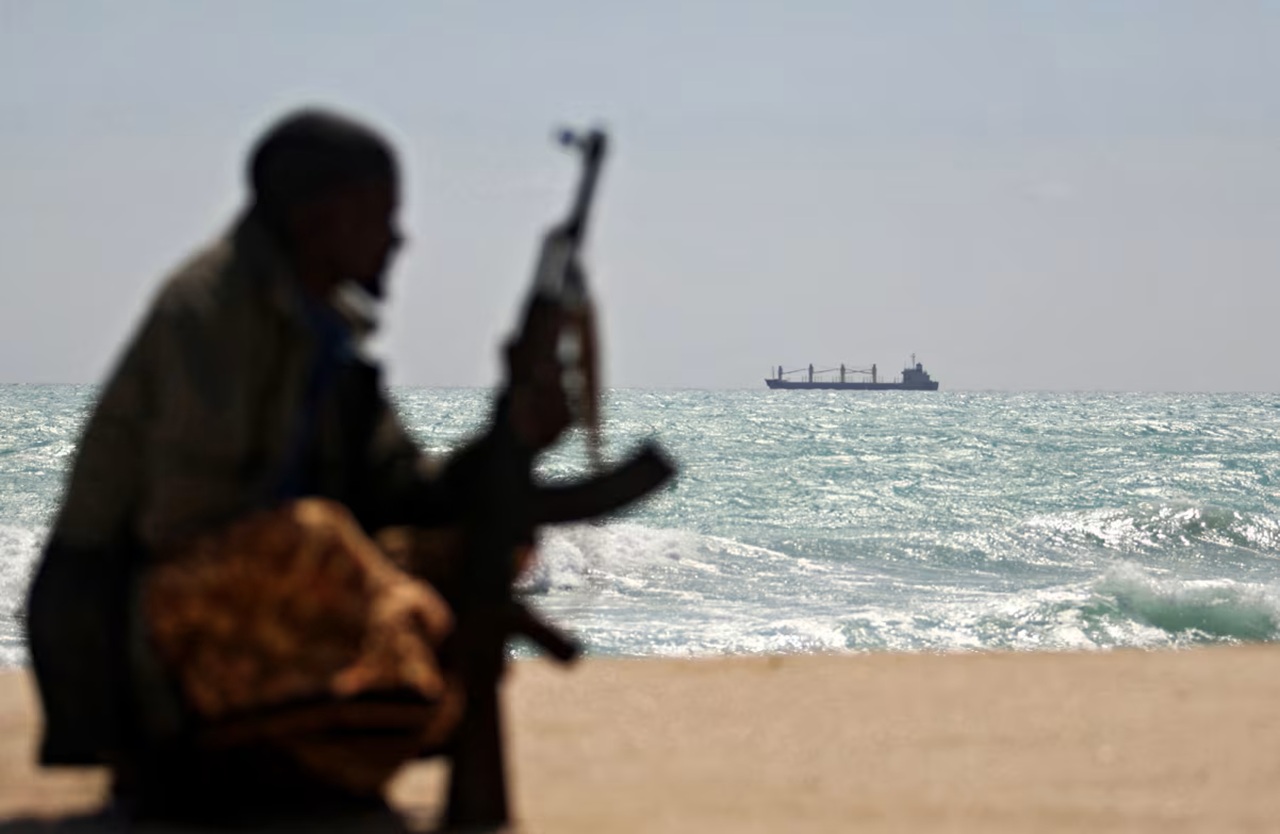
However, this strategic shift has provided Somali pirate networks with a lucrative opportunity to remobilise. Following years of relative inactivity, a recent wave of back-to-back hijackings has shattered the calm along the coastline.

According to a United Kingdom Maritime Trade Operations (UKMTO) advisory dated 12 May, at least three vessels—two oil tankers and a general cargo carrier – are currently being held. The agency has warned that the piracy threat level remains “severe” along the Somali coast.
A geopolitical security vacuum
Analysts suggest the resurgence is fuelled by a combination of external conflict and internal fragility. Mohamed Dini, a Somali lawmaker, characterised the spike in activity as “opportunism” driven by shifting shipping routes.



He noted that the Middle East crisis provides a “pretext” for pirate networks to reorganise, while also warning of emerging alliances between these networks and Yemen’s Houthi forces.
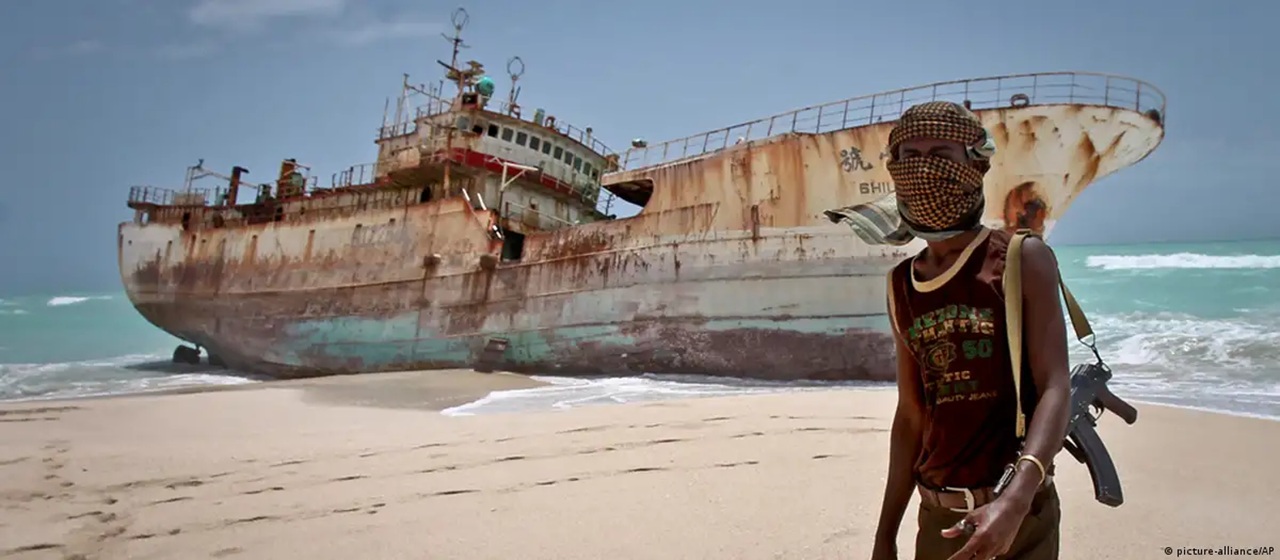
The situation is further complicated by what experts call a “security vacuum”.
Manu Lekunze, an international relations lecturer at the University of Aberdeen, told CNN that naval assets previously dedicated to suppressing piracy have been redeployed to the Persian Gulf to protect the Strait of Hormuz.
This shift in focus has activated pirate networks capable of executing specific missions.
International response and naval presence
Despite these observations, the European Union’s naval force, Operation Atalanta, maintains that its anti-piracy operations remain robust. The force recently reported the successful liberation of an Iranian-flagged vessel after forcing pirates to abandon the dhow.
The EU Naval Force currently believes that three pirate action groups are active in northern Somalia, supported by both land and sea elements.

While the ICC International Maritime Bureau recorded only a small number of incidents in early 2025, attributing the low figures to a “strong deterrent effect” of naval presence, the recent escalation suggests a troubling trend.
History looms large over the current crisis; at the peak of Somali piracy in 2011, 237 incidents cost the global economy an estimated $7 billion.

As long-term domestic instability continues to leave Somalia’s 3,000-kilometre coastline vulnerable, international maritime authorities have urged transiting vessels to maintain “heightened vigilance.”
The crisis serves as a stark reminder that geopolitical shifts in one region can rapidly reignite security threats in another.