Rashtriya Swayamsevak Sangh (RSS), the ideological architect of India’s ruling Bharatiya Janata Party (BJP), has initiated an international lobbying campaign to rehabilitate its global image following escalating Western criticism regarding the treatment of religious minorities in India.
During a rare briefing with foreign media at the organisation’s new 12-storey headquarters in New Delhi on Friday, RSS General Secretary Dattatreya Hosabale detailed recent tours of the United Kingdom, United States, and Germany, reports Al Jazeera.
Hosabale stated the objective was to “dispel certain misgivings and misconceptions,” specifically refuting claims that the RSS is a “paramilitary organisation” promoting “Hindu supremacist” agendas that relegate others to “second-class citizens.”
Sanctions and ‘damage control’
This diplomatic push follows a November report by the US Commission on International Religious Freedom (USCIRF), which accused the RSS of involvement in “extreme violence and intolerance” against minority groups for decades.
Raqib Hameed Naik, executive director of the US-based Center for the Study of Organized Hate (CSOH), characterised the outreach as a “knee-jerk reaction” to USCIRF’s recommendation for targeted sanctions against the organisation and its leadership.

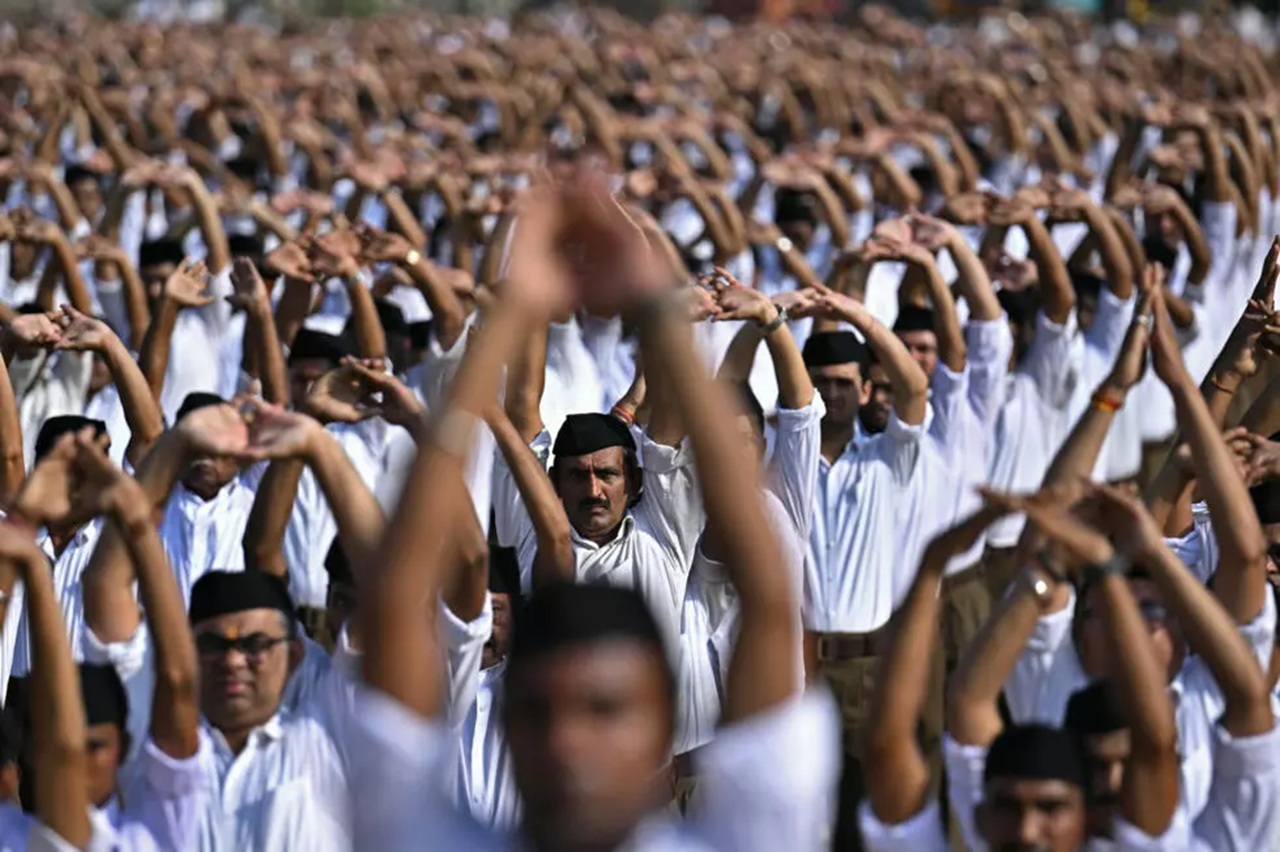
Naik suggested that the RSS has “no option” but to engage in “damage control,” as potential sanctions could render the group a “pariah” and disrupt the vital financial support it receives from the Indian diaspora.
Rising Hate Crimes The international scrutiny coincides with a reported rise in domestic tensions.
According to the India Hate Lab, incidents of hate speech against minorities, including Muslims and Christians, rose by 13 per cent in 2025. Specifically, hate speech targeting Christians surged by 41 per cent.




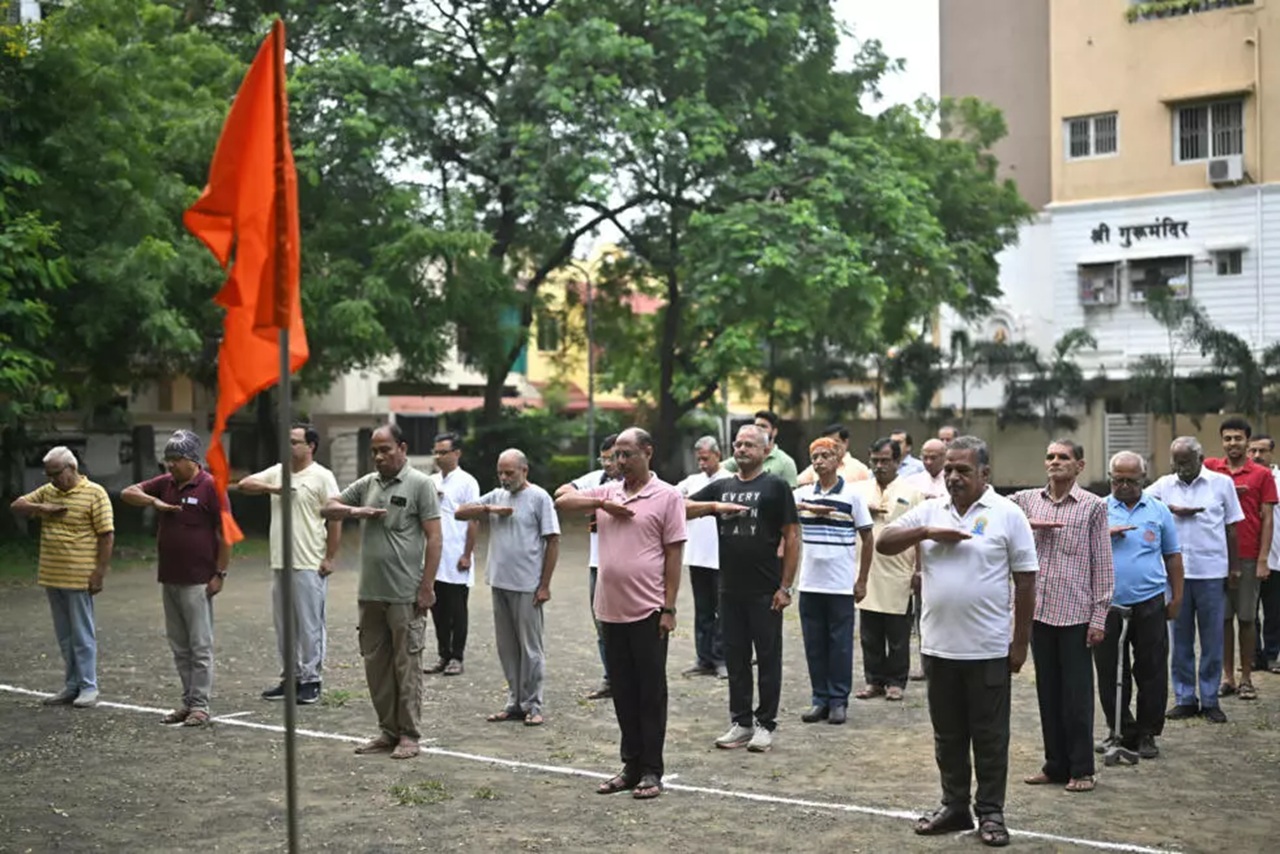
Critics, including Naik, have highlighted a “disturbing escalation” in violence, “bulldozer demolitions,” and discriminatory laws.
Concerns have also been raised regarding the special intensive revision (SIR) of voter rolls, which opponents claim has disproportionately removed minority communities from the electorate. The RSS and BJP have consistently denied responsibility for these trends.
Ideological roots and political ties
Founded in 1925 by physician Keshav Baliram Hedgewar in Nagpur, the RSS — or National Volunteer Organisation — advocates for Hindutva. This ideology seeks to transform India from a constitutionally secular state into a Hindu one.
The organisation currently leads a network of over 2,500 right-wing groups known as the Sangh Parivar.
Historical links have long been a point of contention. Apoorvanand, a professor at the University of Delhi, told Al Jazeera that early RSS ideologues, including MS Golwalkar and BS Moonje, drew inspiration from European fascist movements in Italy and Germany.
The RSS has faced multiple bans in India, most notably in 1948 following the assassination of Mahatma Gandhi by a former member.
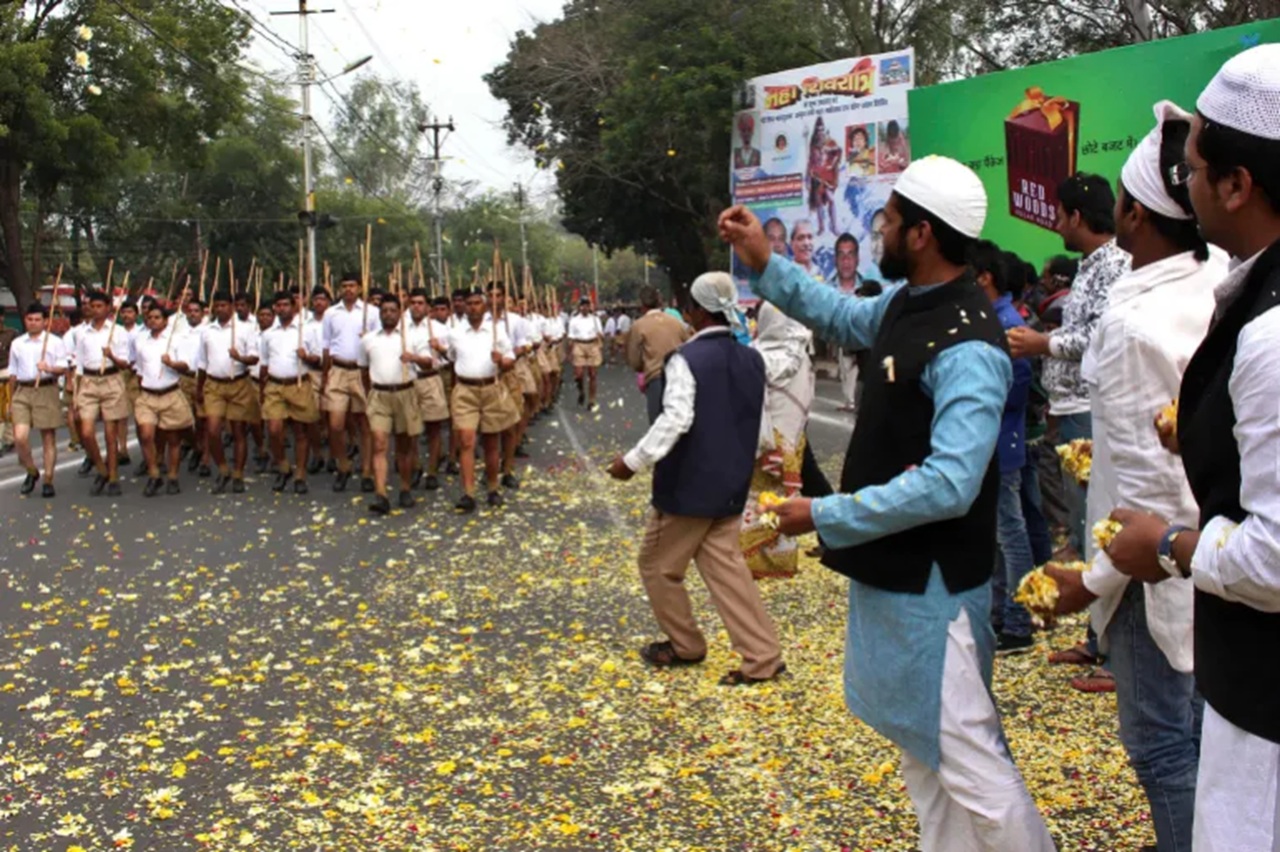
The organisation remains the “ideological mothership” of the BJP. Prime Minister Narendra Modi, who was recently sworn in for a third term, has been a member of the RSS since 1972.
International Engagements In April, Hosabale met with academics, policymakers, and business leaders across Europe and North America.
In the UK, he engaged with Chatham House and attended a dinner with Members of Parliament from the Conservative, Labour, and Liberal Democrat parties. In the US, he held discussions with the Hudson Institute, while his German itinerary included the Konrad Adenauer Foundation.
Hosabale indicated that the RSS intends to continue these outreach efforts, with future visits planned for Southeast Asia and other regions to further promote the organisation’s narrative.