




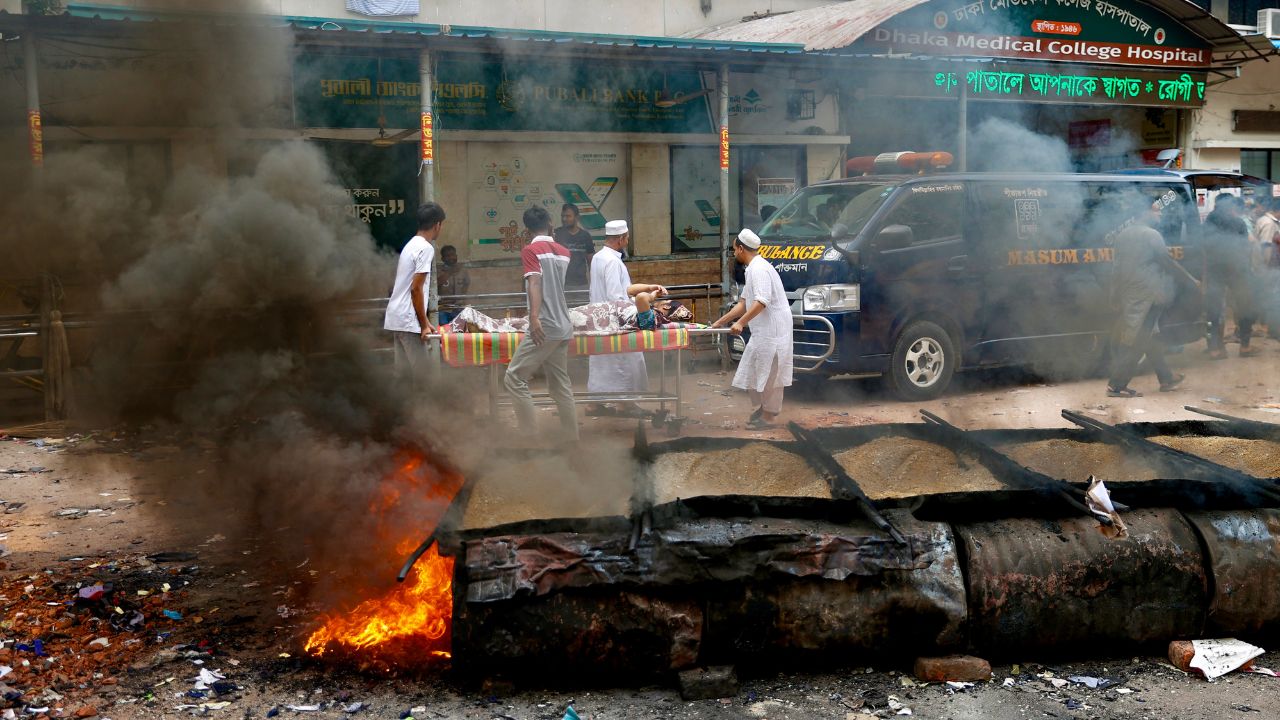



Thick, acrid smoke from burning pitch engulfed parts of Dhaka Medical College Hospital (DMCH) on Saturday, as ongoing road repairs exposed patients, attendants and staff to hazardous air inside the hospital compound.
On one side stands the Casualty Department, on the other the country’s largest burn treatment facility. Between them, iron drums boil black bitumen over open fires, filling the air with choking smoke.
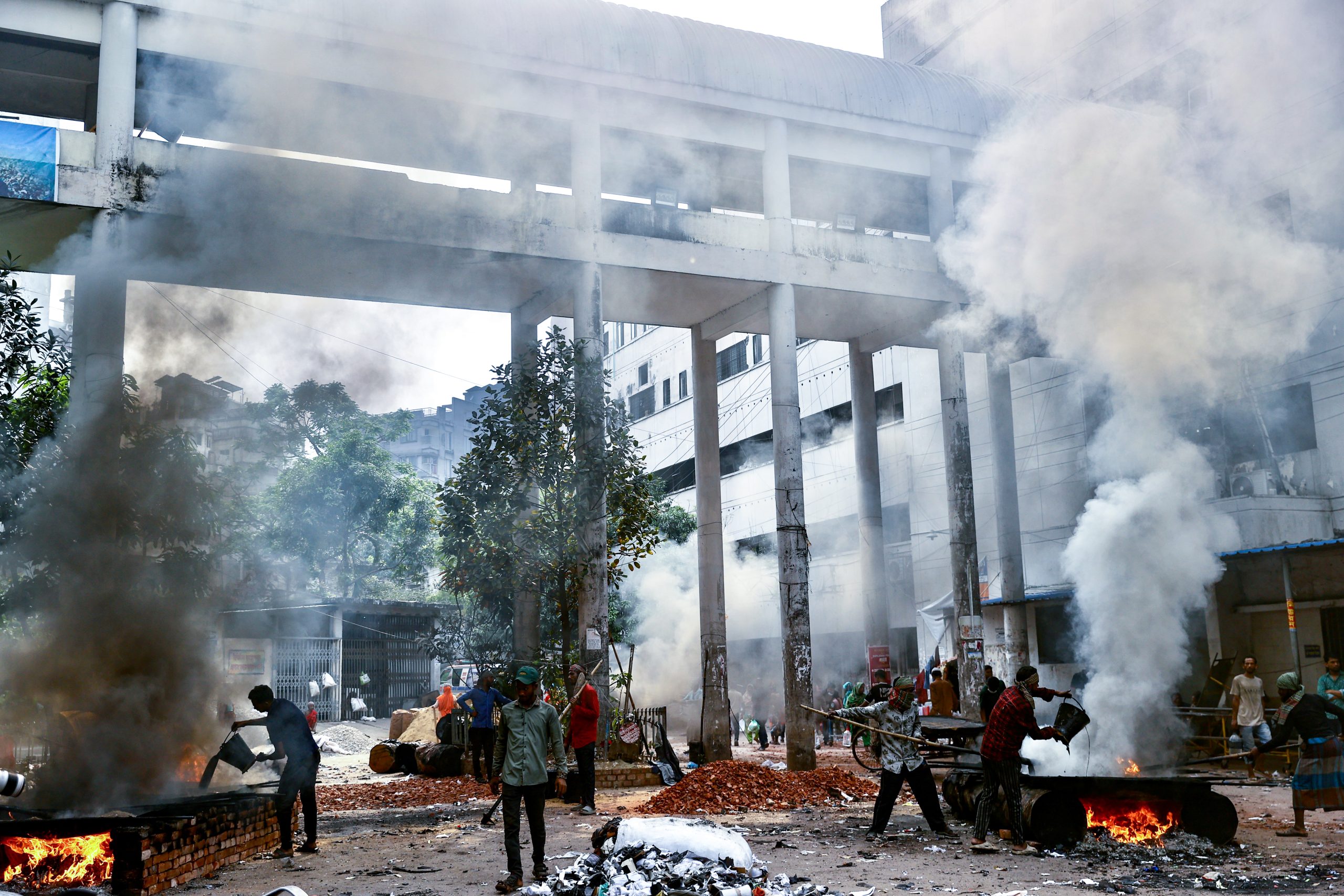
Since last Friday, amid intense summer heat, the hospital grounds have resembled a construction zone where treatment and vulnerability exist side by side.
Columns of grey and black smoke rise high enough to resemble a fire emergency from a distance. Workers heat pitch in open drums before spreading it across damaged roads, an old but widely used method, carried out without visible safety barriers or rerouted pathways inside one of the country’s busiest medical facilities.

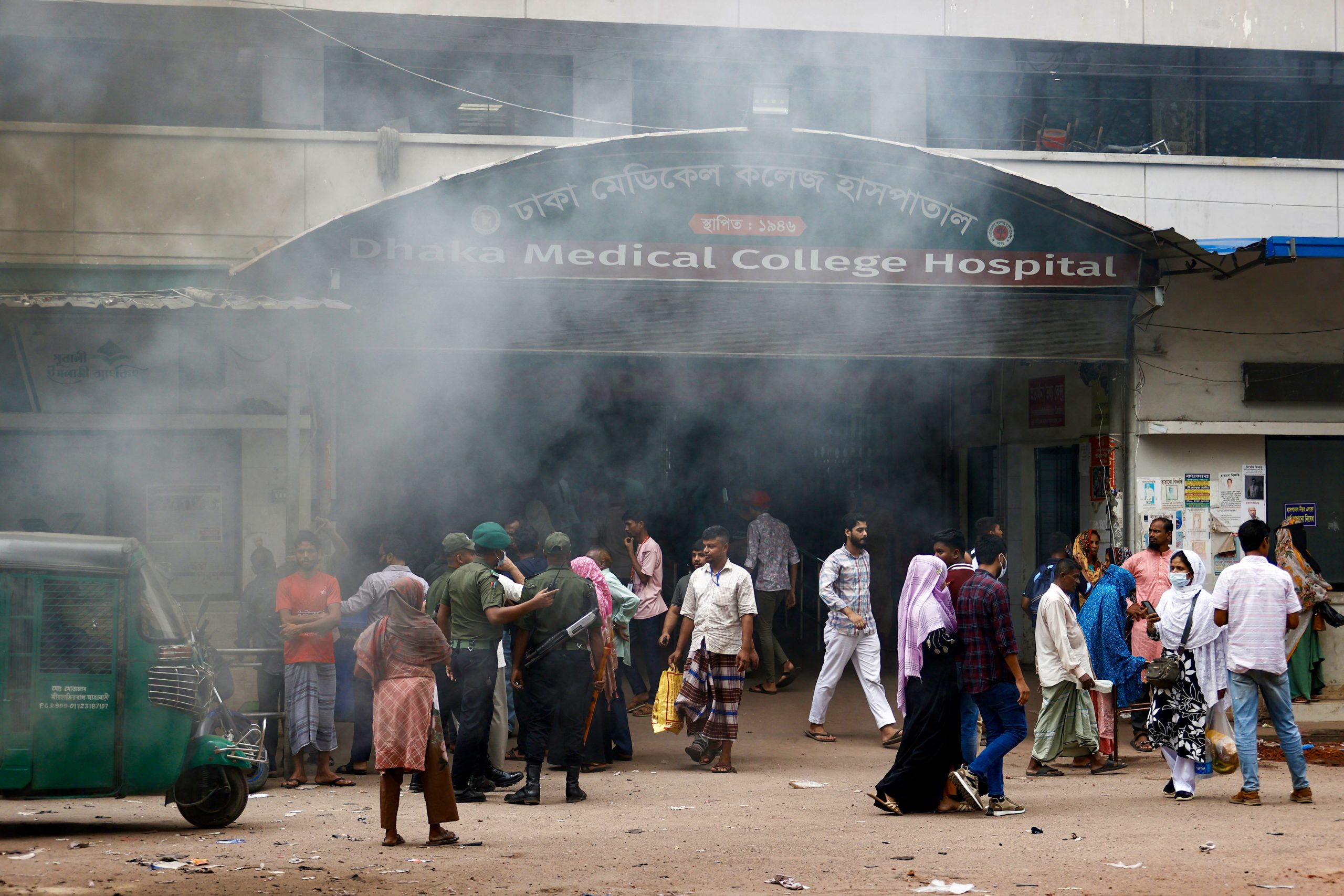
DMCH handles more than 5,000 outpatient visits and over 1,300 emergency cases daily. Stretchers roll past smoking drums as families escort patients through the compound, many covering their faces with cloth.
The fumes drift under walkways and into open ward windows, mixing with the sharp scent of antiseptic and raising concerns about indoor air contamination.




Patients must pass through a curtain of smoke before reaching care. Some cough as attendants pushes wheelchairs and emergency trolleys forward.
Health risks are significant. Hospitals house patients suffering from respiratory illness, heart disease, pneumonia, and asthma, those most vulnerable to polluted air.
Bitumen fumes contain polycyclic aromatic hydrocarbons (PAHs), compounds linked to respiratory irritation and long-term health risks.
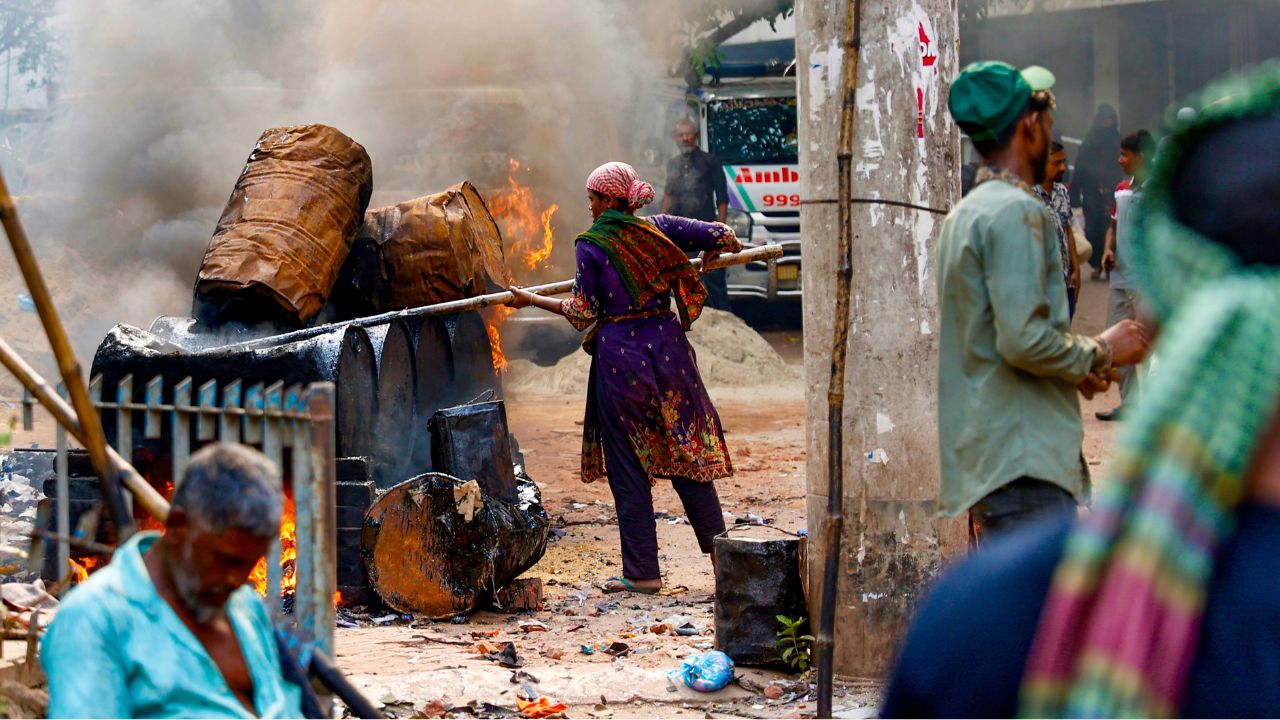
Environmental Regulations in Bangladesh, including the Bangladesh Environment Conservation Act, 1995, require activities to limit air pollution and protect public health, particularly in sensitive locations like hospitals. However, such safeguards were clearly not visible on site.
DMCH Director Brigadier General Md. Asaduzzaman said the pitch burning is part of an internal road renovation project implemented by the Public Works Department (PWD) in coordination with hospital authorities. He noted the roads had long been severely damaged, disrupting ambulance movement and patient transport.
“The hospital operates 365 days a year,” he said. “There may be temporary inconvenience, but without repairs, movement would become even more risky.”
Authorities say onsite pitch preparation is intended to accelerate construction, with work expected to be completed quickly.







