A wave of political controversy has gripped Bangladesh following comments by Israel’s ambassador to India, Reuven Azar, who suggested that the Palestinian armed group Hamas may have a presence or activities extending into Bangladesh and Pakistan.
His remarks have coincided with a domestic debate over the display of black-and-white flags bearing Islamic inscriptions, triggering sharply divergent interpretations from political parties, security analysts, and law enforcement agencies.
The episode has rapidly evolved beyond symbolism into a wider contest over national security narratives, foreign influence, and political legitimacy.
Ambassador Azar recently said Israel has been closely monitoring possible Hamas-related activity in Bangladesh and Pakistan following the 7 October 2023 attack on Israel. The claim has added a geopolitical dimension to an already sensitive domestic debate.
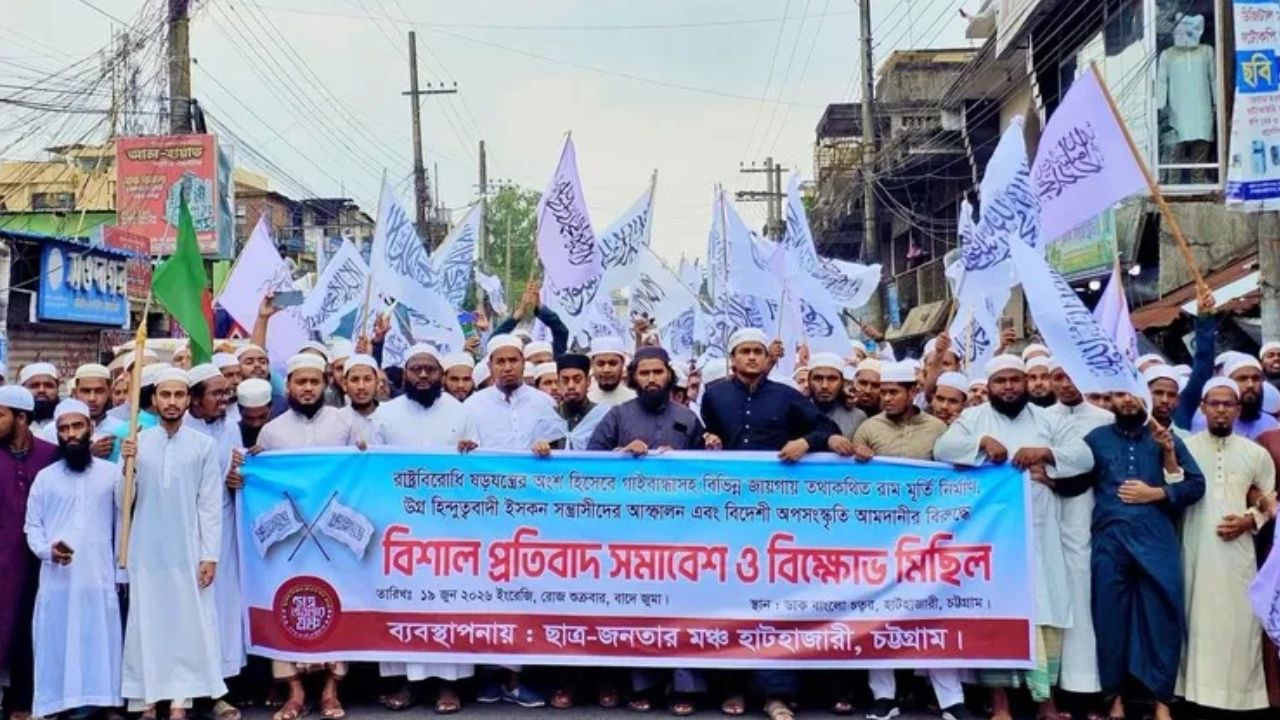
The immediate spark for the controversy inside Bangladesh appears to be calls from religious figures encouraging the display of flags bearing Islamic inscriptions during global football events, instead of national flags.
Among those making such appeals was Hefazat-e-Islam leader Mufti Harun Ijhar, who urged his supporters to raise such flags as an expression of Islamic identity.

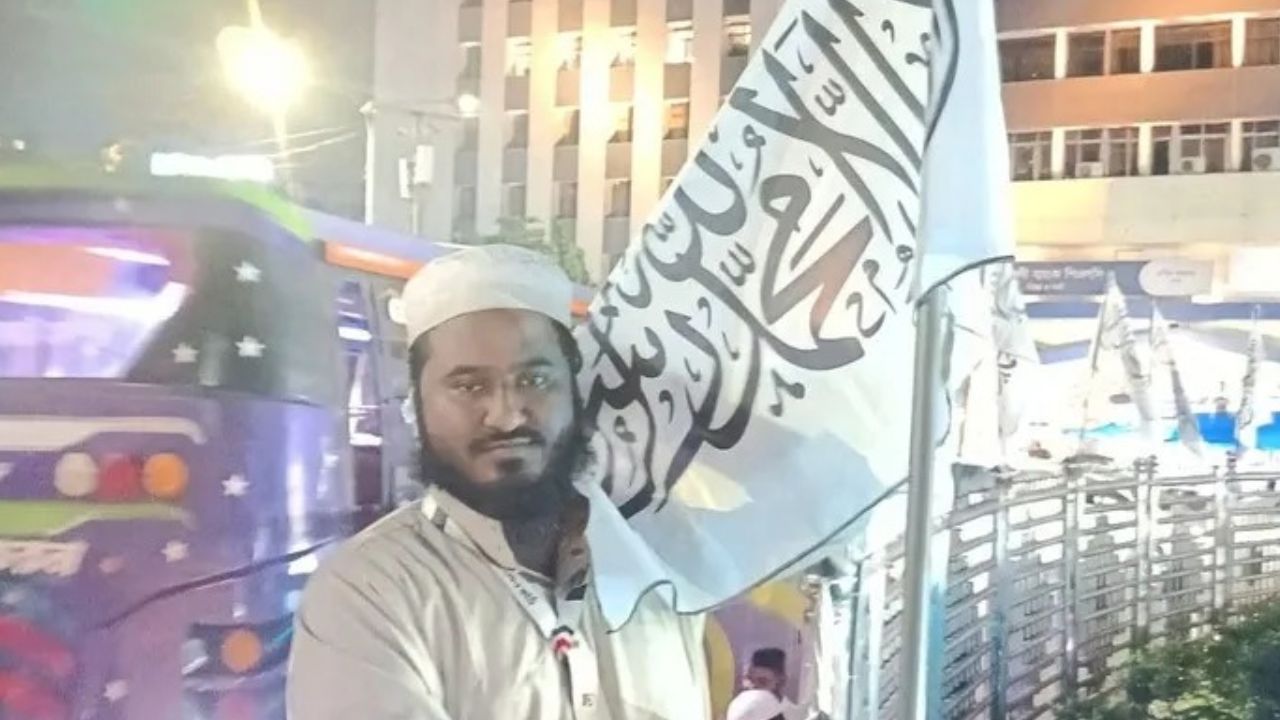
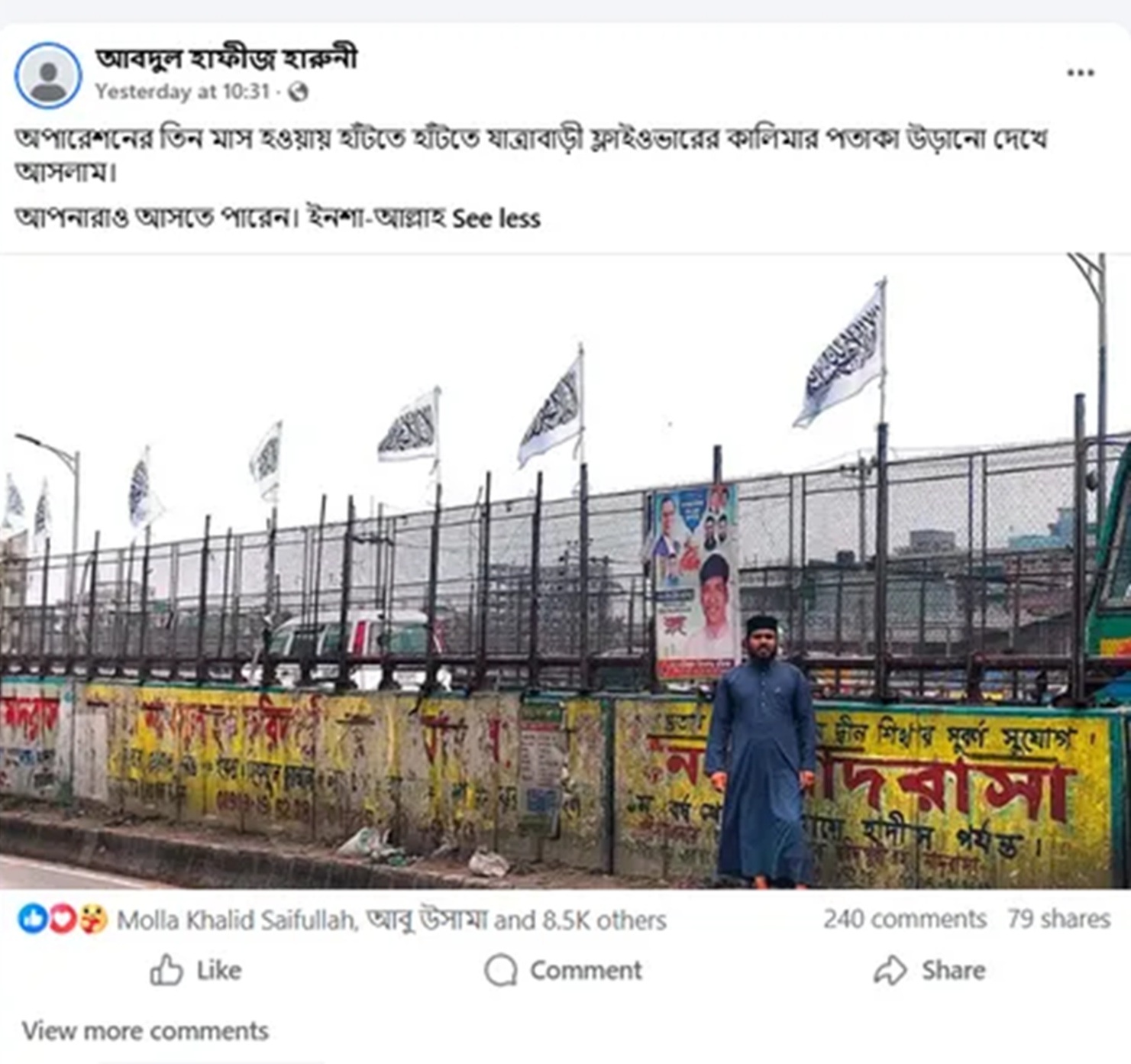
Following that, public rallies in parts of the country began featuring similar black-and-white flags.
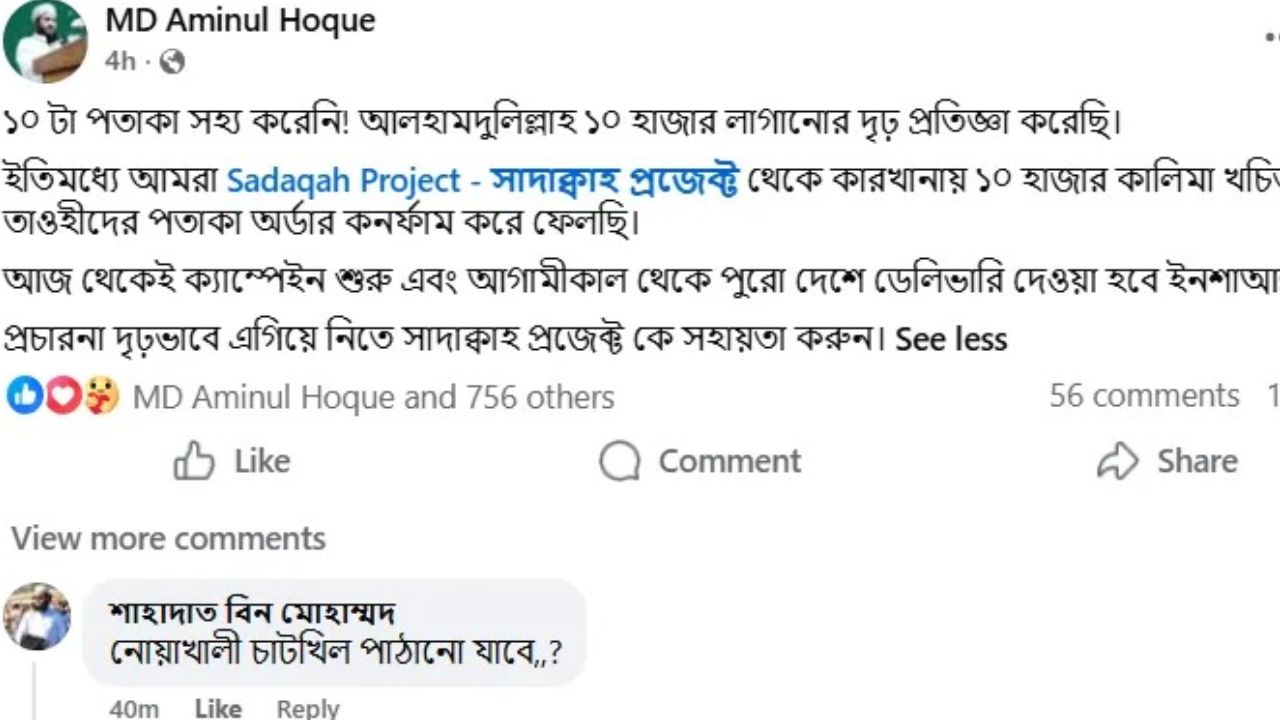
Separately, Md Aminul Haque, a teacher at Jamia Arabia Imdadul Ulum Arabic University in Dhaka’s Jatrabari area, announced a nationwide distribution of 10,000 “Tauhidi flags” under a programme titled the “Sadaqah Project”. He is also said to run a Facebook page called “July Revolutionary Caravan”.
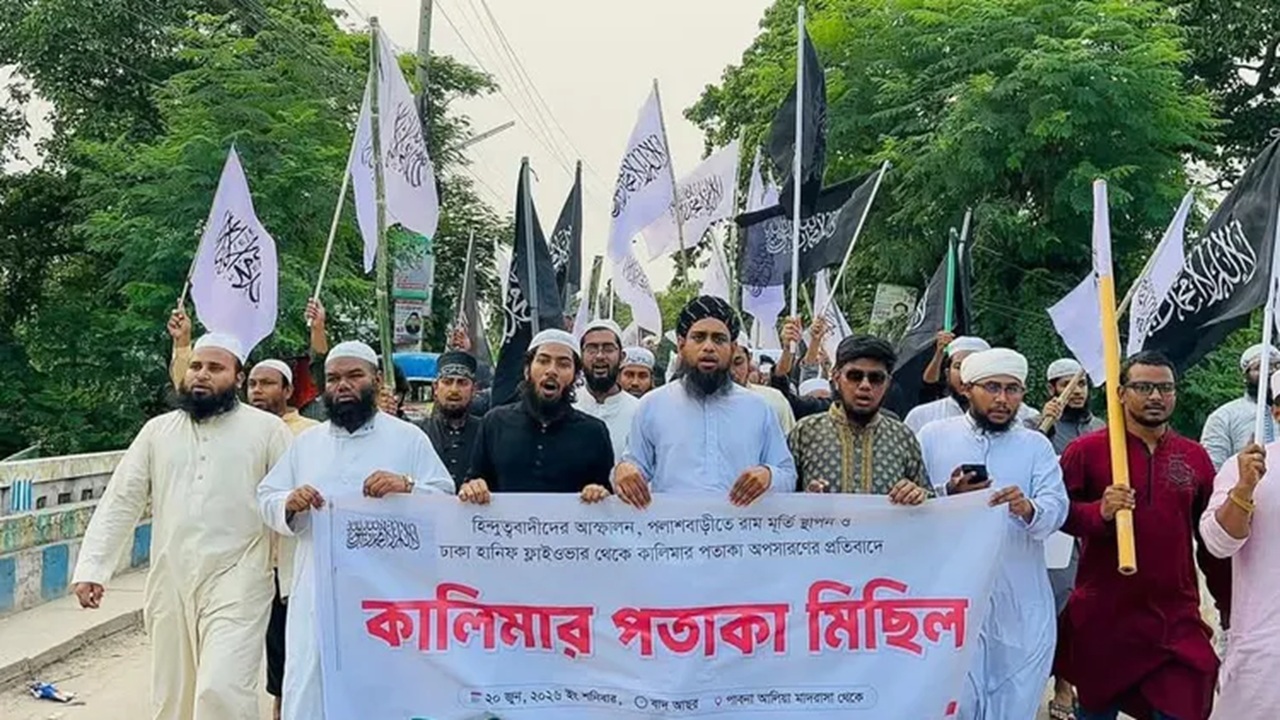
Security analysts and diplomats have warned that the spread of black-and-white flags resembling militant iconography could be misinterpreted internationally and damage Bangladesh’s image.
Some experts argue the phenomenon should not be seen in isolation. They warn that such symbolism, if amplified, could become part of a broader narrative questioning Bangladesh’s internal security environment.



Brigadier General (retd) AF Jaglul Ahmed suggested the situation may be deliberately amplified to create political pressure. He believed it was an intentional attempt by a group to mischaracterise the issue and trigger false alarms within the government. He added that the government should not overreact, but remain watchful of those attempting to destabilise the political environment.
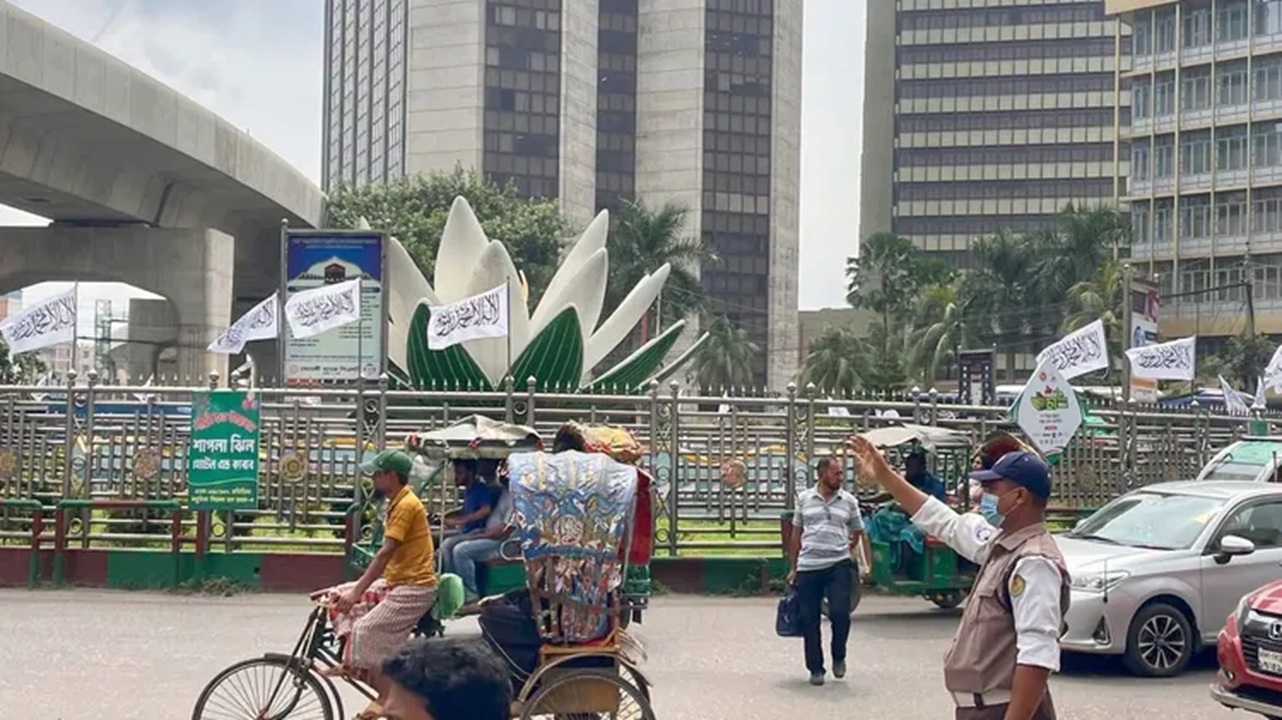
However, other analysts warn that Bangladesh’s strategic location makes it vulnerable to competing geopolitical interests, and that narratives around extremism can be exploited by multiple actors.
Former ambassador Md Abdul Hye said such activities could create a negative global image of Bangladesh, warning that the rise of fundamentalist forces is detrimental to any country.
He said such developments could harm Bangladesh’s economic interests by discouraging foreign investment and affecting trade prospects.
“At the end of the day, our competitors will benefit from such activities,” added the former ambassador. He also urged the government to handle the issue politically with broad public support and, where necessary, take lawful measures to bring perpetrators to justice.
Dhaka Metropolitan Police’s Detective Branch (DB) has taken a more restrained view.
DB Additional Commissioner Shafiqul Islam told TIMES of Bangladesh that police had spoken with individuals involved in promoting the flags. According to him, they described the initiative as a symbolic counter to the widespread display of national flags during football events such as those of Argentina and Brazil.
He added that those involved did not anticipate the scale of the reaction and have since stepped back from their initial position. Importantly, he said the ongoing investigation has found “no evidence of militant involvement or foreign funding”.
The issue has quickly become politicised, with major parties trading accusations.
Jamaat-e-Islami leader Shafiqul Islam Masud accused the former ruling Awami League of repeatedly using the fear of extremism for political gain, including in international messaging. He claimed there is now an attempt to revive a similar narrative after the party’s fall from power, while insisting that ordinary religious citizens do not support militancy.
Jamaat’s political ally, National Citizen Party (NCP) leader Atiqur Rahman Mujahid described the flag-related activity as part of an anti-state conspiracy. He also alleged involvement of the ousted Awami League and neighbouring India in shaping a narrative of rising extremism in Bangladesh, and urged swift action based on intelligence inputs.
The ruling BNP, however, has pointed fingers at Islamist groups.
BNP chairman’s adviser Fazlur Rahman alleged that those displaying the flags are linked to banned organisations and accused “a fundamentalist group” of attempting to portray Bangladesh as unstable. He also alleged that Hizb ut-Tahrir was being used to project Bangladesh as a “militant state”.
Shamsuzzaman Dudu, vice-chairman of BNP echoed similar concerns, claiming Jamaat-e-Islami and its student wing were behind the unrest. He argued that post–5 August 2024 political shifts have encouraged a culture of mobilisation that risks destabilising the country.
Mufti Harun Ijhar, one of the figures calling for the flag displays, rejected suggestions of militant links. Speaking earlier to TIMES, he said the initiative was a response to what he called the “provocative” display of foreign flags and was intended as a cultural and religious expression.
He denied any involvement of Hizb ut-Tahrir or other organised groups, saying the interpretation was part of a broader misinformation campaign.