


The United Nations is set to host a high-level conference on the situation of Rohingya Muslims and other minorities in Myanmar at its headquarters in New York later in the day.
The objectives of the conference are to mobilise political support and sustain international attention on the Rohingya crisis. It also seeks to review the overall situation and address its root causes, including human rights violations and structural discrimination.
Participants will share perspectives on the ground reality, focusing on the challenges faced by Rohingya and other minorities in Myanmar. The conference will further highlight humanitarian issues within Myanmar and across the region that continue to affect displaced communities.
Ultimately, the goal is to propose a comprehensive, innovative, and concrete plan for a sustainable resolution of the crisis.

This includes creating conditions for the voluntary, safe, sustainable, and dignified return of Rohingya Muslims and other minority groups to Myanmar in a timely manner.
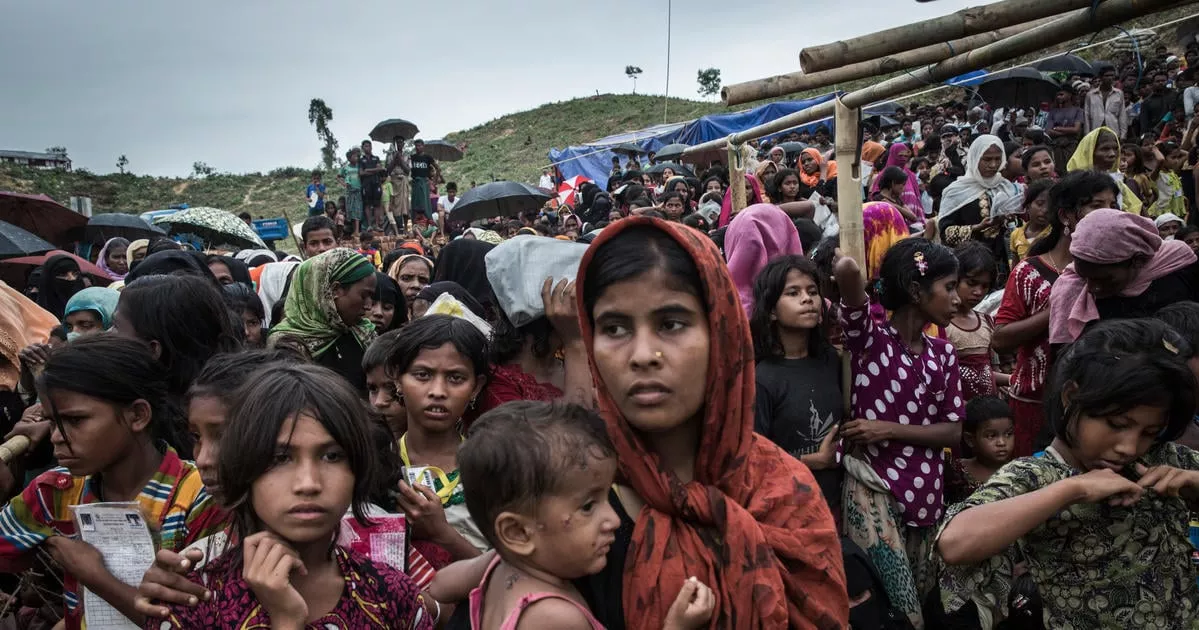
According to a UN resolution adopted earlier this year, the one-day event aims to mobilise political support and international attention on the protracted crisis, which has left more than a million Rohingya refugees stranded in Bangladesh and many others facing persecution inside Myanmar.




The conference will bring together member states, humanitarian agencies, civil society, and minority representatives to address root causes of the crisis, including structural discrimination, denial of citizenship, and lack of security guarantees.
Participants are expected to propose a time-bound plan for voluntary, safe, and dignified returns of Rohingya and other displaced minorities.
Diplomatically, the meeting carries weight as over 100 countries endorsed the resolution, with Malaysia and Finland playing key roles in pushing it through the General Assembly.
For Bangladesh, which hosts the world’s largest refugee settlement, the conference is a vital opportunity to seek stronger international commitments for a sustainable solution.
Observers note that the presence – or absence – of Myanmar’s representatives, as well as the degree of inclusion of Rohingya voices, will shape the credibility of the meeting.
With humanitarian aid shrinking and donor fatigue deepening, the outcome will be closely watched as a test of the global community’s resolve to translate pledges into concrete action.