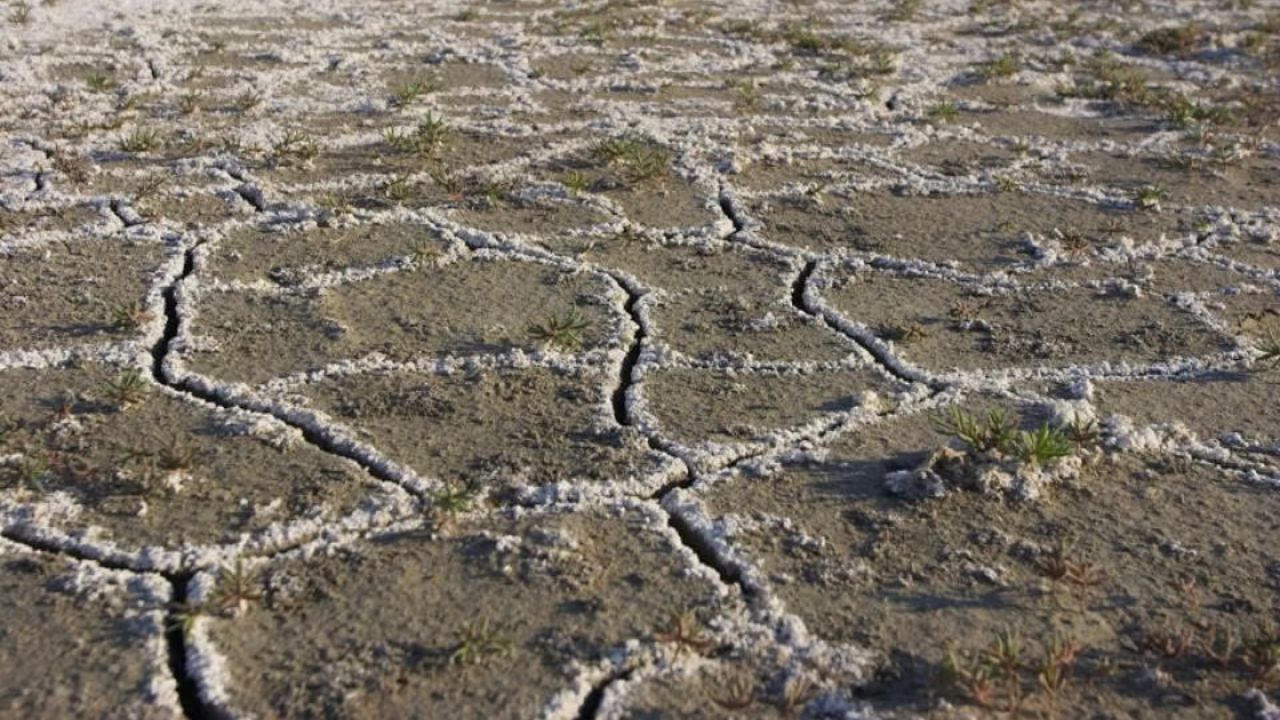

Along the southern coast of Bangladesh, significantly in areas such as the Sundarbans and its nearby districts, rising salinity is no longer only an environmental issue.
It is becoming a serious public health concern. While discussions often focus on agriculture and drinking water shortages, another crisis is emerging, its impact on the reproductive health and fertility of women in coastal communities.
In coastal regions such as Khulna Division, freshwater sources are increasingly contaminated by saltwater due to rising sea levels, cyclones and tidal surges. Rivers and ponds that once provided safe drinking water are now often saline.
As a result, families are forced to rely on unsafe or partially treated water for drinking and cooking. Women and girls are usually responsible for collecting water which means they are exposed to these conditions more frequently and for longer periods.
Health pathways: how salinity affects reproductive health
Although research is still developing in Bangladesh, facts highly suggest that long-term exposure to saline water can create serious health stress on the human body. High sodium intake through water may contribute to dehydration, high blood pressure and metabolic imbalance.

And for women, these conditions are especially more concerning during pregnancy. Studies in coastal areas have linked salinity exposure to complications such as hypertension in pregnancy, low birth weight and increased risk of preeclampsia.
These complications directly affect maternal health and can influence long-term reproductive outcomes. Teenage girls, whose bodies are still developing may also be affected by nutritional stress and hormonal imbalance caused by poor water quality and limited access to healthcare.
Many women report chronic pelvic pain, irregular menstruation and unusual discomfort during menstrual cycles. Some describe a constant heaviness or pain in the lower abdomen that affects daily work and mobility.




Local health workers and small-scale studies have observed increased complaints related to uterine complications, including inflammation and long-term reproductive discomfort. While medical science is still investigating direct causal links between salinity and these conditions, the correlation is strongly felt in lived experience.
Beyond physical health, there is also a psychological burden. Many young women grow up accepting water insecurity as a normal part of life. This normalization can reduce awareness of long-term health risks and delay medical attention.
At the same time, reproductive health issues are often not openly discussed due to cultural stigma. This silence means many conditions remain untreated until they become severe, further increasing health risks for women and teenagers
Teenage girls: early menstrual stress and unsafe coping
Teenage girls are entering puberty in an environment of water insecurity and nutritional stress. Many experience painful or irregular menstruation early in life. Because of lack of proper healthcare access and social stigma, these issues are often unmanaged.
In some cases, teenage girls reportedly take hormonal pills or medication to delay or stop menstruation, often without proper medical supervision. This is not a matter of choice but of necessity. It is driven by discomfort, lack of sanitation facilities and mostly the difficulty of managing menstruation in saline-affected conditions.
Men are not exempt
Although women bear the most visible burden, men are also affected. Many men in coastal communities report urinary discomfort, kidney-related issues and general weakness linked to long-term consumption of saline water.
In agricultural work, reduced soil quality due to salinity also affects nutrition and income. It indirectly impacts male health and their fertility as well.
A call to recognize a hidden crisis
Solutions must go beyond water supply. They must include accessible healthcare, reproductive health education, safe menstrual management support, and community-level awareness. Climate adaptation policies must recognize that water quality is directly linked to human fertility and wellbeing.
The silence around this issue must end. What is happening in the coastal belt today is not only about survival. It is about the future health of entire generations.
The author is an assistant professor of Mass Communication and Journalism at Bangladesh University of Professionals.