


The number of registered Rohingya refugees in Bangladesh has risen to 11,84,864, nearing 1.2 million, after an increase of nearly 1,78,757 over the past year.
The United Nations High Commissioner for Refugees (UNHCR) published the updated figures in a report on Monday.
According to the report, the number of Rohingya refugees living in camps stood at 10,06,107 as of 28 February 2025, which rose to 11,84,864 by 28 February 2026.
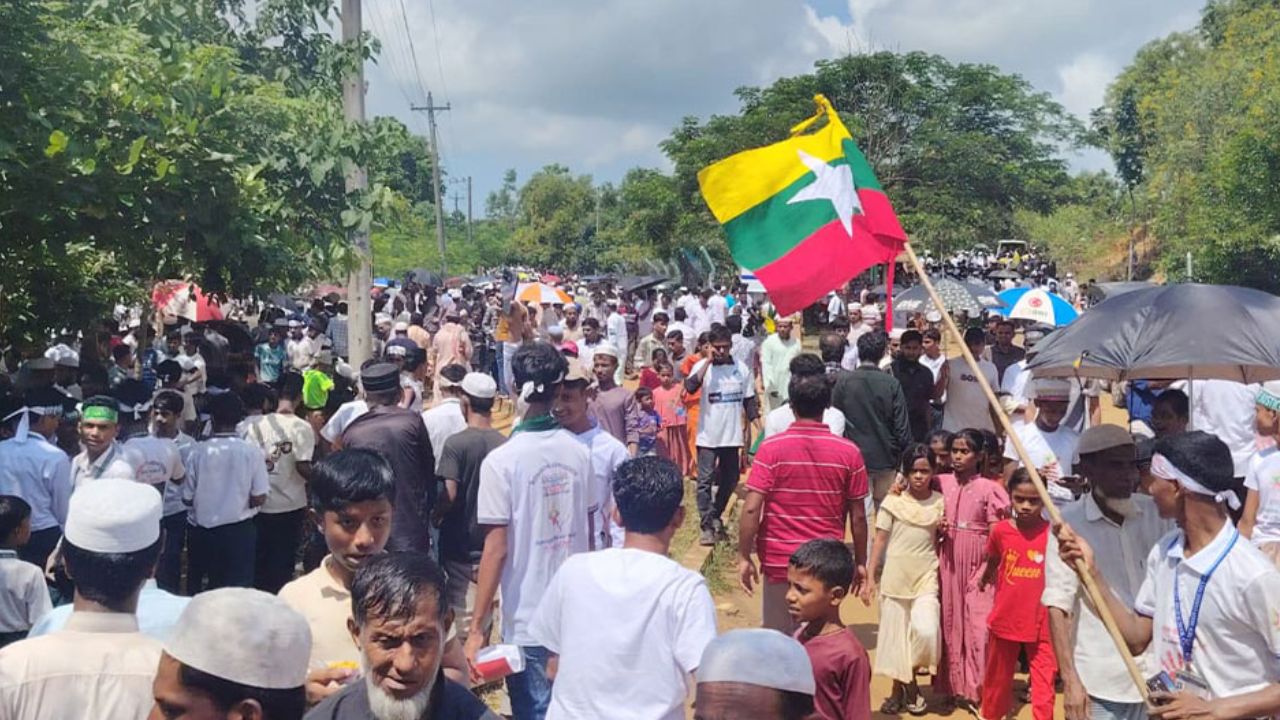
The increase has been driven mainly by births within the camps and new arrivals fleeing ongoing conflict in Myanmar.
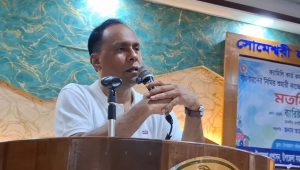
Refugee Relief and Repatriation Commissioner Mohammad Mizanur Rahman said two key factors contributed to the rise: a significant number of births in the camps each year and fresh influxes of Rohingya due to continued violence in different parts of Myanmar.

“The government and relevant agencies are updating records by registering both newborns and new arrivals,” he said.
He said Bangladesh, despite limited resources, continues to provide shelter and necessary assistance to Rohingya refugees on humanitarian grounds.
“The long-term solution to this crisis is ensuring safe, voluntary and dignified repatriation to Myanmar. The government is working with the international community to achieve this,” he added.



The UNHCR report showed that 1,44,456 Rohingya newly arrived in Bangladesh over the past year, while 34,301 children were born in the camps during the same period.
It also noted that ongoing conflict and violence in Myanmar in 2024 displaced many Rohingya, forcing families to cross the border into Bangladesh.
Although new arrivals have been identified through biometric systems, many are yet to be formally recognised as registered refugees. They have been issued family-based identification cards to facilitate humanitarian assistance.
The number of Rohingya refugee families has reached 2,46,415 as of 28 February 2026, up from 2,04,303 a year earlier, marking an increase of 41,912 families. Of these, 37,955 are newly arrived families.
Data show that since 1990, Bangladesh had 39,502 registered Rohingya refugees, but more than 10 lakh entered the country following violence in Myanmar’s Rakhine State after August 2017.
Cox’s Bazar district now hosts one of the largest refugee camps in the world, where ensuring humanitarian assistance, security, education and healthcare remains a major challenge.
Experts said the crisis can only be resolved through safe and dignified repatriation to Myanmar, but the process remains uncertain due to continued instability and conflict in the country.
Chattogram University Political Science Department Professor Akkas Ahmed said the Rohingya crisis is no longer just a humanitarian issue but has evolved into a regional security and economic challenge.
“The prolonged presence of a large refugee population is putting pressure on the local environment, economy and social balance,” he said.
He added that the new government should intensify diplomatic efforts and push the international community to advance a practical repatriation process.
He also stressed the need to strengthen border security, maintain law and order in the camps, and ensure that local communities are not overburdened.