
Dr. Md. Harunur Rashid
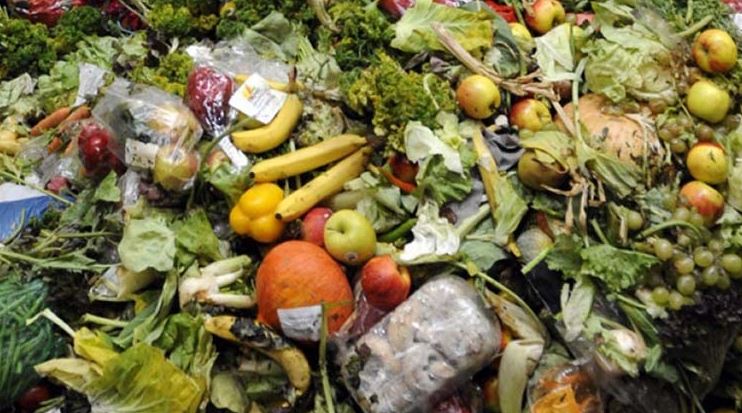
Every year, the world loses or wastes an astonishing 1.3 billion tons of food across the value chain from the farm to our dining tables. According to a Boston Consulting Group report, around 500 million tons are lost at the production stage, 350 million tons at post-harvest, 160 million tons during processing and packaging, 200 million tons in distribution and retail and 340 million tons at the consumption stage. This is not merely a problem of inefficiency, it is a humanitarian, environmental and economic crisis. If food wastage were a country, it would rank as the third-largest emitter of greenhouse gases in the world, trailing only China and the United States.
Bangladesh is not an exception to the global challenge. Annual estimates show that the country loses or wastes more than 21.1 million tons of agro-products, representing 19.4 percent of total food supply. Cereals alone account for 8.3 million tons of loss, while roots and tubers, fruits and vegetables show even higher vulnerability up to 36.9 percent and 40.2 percent of their supply respectively. Fish and seafood face nearly one-third loss, while dairy, meat and other foods also contribute significantly to the overall figure. This wastage interprets into billions of taka in economic loss, heightened food insecurity for vulnerable populations and unnecessary pressure on natural resources. Researchers in Bangladesh have long documented post-harvest losses across crops. Rice, the country’s staple, loses around 10-20 percent during handling and storage. Potato losses can exceed 25 percent, while bananas lose up to 40 percent in some cases due to poor harvesting, packaging and storage. Fruits such as mango, jackfruit, papaya, pineapple and litchi report post-harvest losses between 25 and 40 percent. Vegetables like tomato, brinjal, cauliflower and cucumber show losses ranging from 20 to 30 percent. The underlying causes are harvest in proper time inadequate sorting and grading, lack of proper washing, inappropriate packaging systems, transport bottlenecks and an absence of cold chain infrastructure.

Food loss and waste have multiple consequences. For farmers, it reduces their nutritional intake by preventing their hard-earned harvest from reaching the market. For consumers, it translates into higher food prices, directly affecting low-income households. Particularly, the people of climate vulnerable such as coastal, Barinda and hilly areas are affected in most of the years. For the environment, wasted food means wasted water, land and energy, while decomposing organic matter produces methane, a greenhouse gas far more potent than carbon dioxide. Globally, food loss and waste account for 24 percent of calories never consumed, even as nearly 800 million people remain hungry. In Bangladesh alone, losses from crop production and post-harvest stages emit nearly 10 million tons of carbon dioxide equivalent annually.
Reducing food loss and waste is not just about saving food; it has ripple effects across food systems. First, it increases supply, making more food available for consumption and stabilizing prices. Second, it eases pressure on land, water and energy resources by reducing the need for surplus production. Third, it enhances food security and nutritional diversity, ensuring vulnerable populations can access safe and healthy diets. Fourth, it contributes directly to climate goals by reducing methane emissions and improving the sustainability of agricultural practices.




Despite clear benefits, challenges remain. Inequality continues to define food systems, as smallholder farmers and rural women, the backbone of agricultural labor, are often the most vulnerable to hunger themselves. Climate change is another growing threat, intensifying pest attacks, floods, droughts and heat stress across seasons. In Bangladesh, shifting rainfall patterns and rising temperatures already disrupt planting cycles and storage conditions. Moreover, food security is no longer about quantity alone; access to nutritious and safe food is critical to combat the double burden of malnutrition: undernutrition and obesity.
The challenge of food loss and waste requires coordinated action across the food system. For households, smart shopping, meal planning and proper storage are critical. Restaurants can track kitchen waste to adjust menu sizes and orders. Retailers can measure wastage hotspots and improve stocking practices. Farmers, ranchers and fishers must focus on harvesting at the right maturity and adopting improved technologies to minimize damage. Distributors, processors and manufacturers need to modernize handling, packaging, and storage, while governments must create enabling environments with policies, incentives and awareness campaigns. Bangladesh can learn from global examples. India’s “Compulsory Food Waste Reduction Bill, 2018” and Malaysia’s “Food Loss and Waste Act, 2021” offer statutory frameworks to cut waste by half by 2030. Investing in cold chain infrastructure, adopting quality standards and transitioning toward circular systems, where resources are used efficiently, recycled and reused are essential steps forward.
The way forward lies in making smart investments and strengthening food systems. Research shows that every dollar invested in nutrition yields up to thirty dollars in economic returns through better health, education and productivity. Building resilient, equitable and sustainable food systems means supporting smallholder farmers with access to markets, resources and technology. It also requires community empowerment through local initiatives like urban farming, cooperatives and farmers’ markets. Equally important is promoting sustainable consumption. Consumers must be educated about the impact of their food choices, encouraged to embrace diverse diets and nudged toward local, seasonal produce. Governments, civil society and private sector actors must collaborate to transform food systems, ensuring they are designed not just for profit but for people and the planet.
On World Food Day 2025, as Bangladesh and the global community recommit to the UN Sustainable Development Goals, tackling food loss and waste stands out as one of the most impactful strategies for achieving Zero Hunger by 2030. It is a shared responsibility of every actor in the food chain, from farmer to consumer, has a role to play. By investing in smarter systems, empowering communities and changing consumer behavior, we can build a future where no plate goes empty while food continues to rot unused. The challenge is urgent but the solutions are within our reach.
The writer is a Director at SAARC Agriculture Centre (SAC)