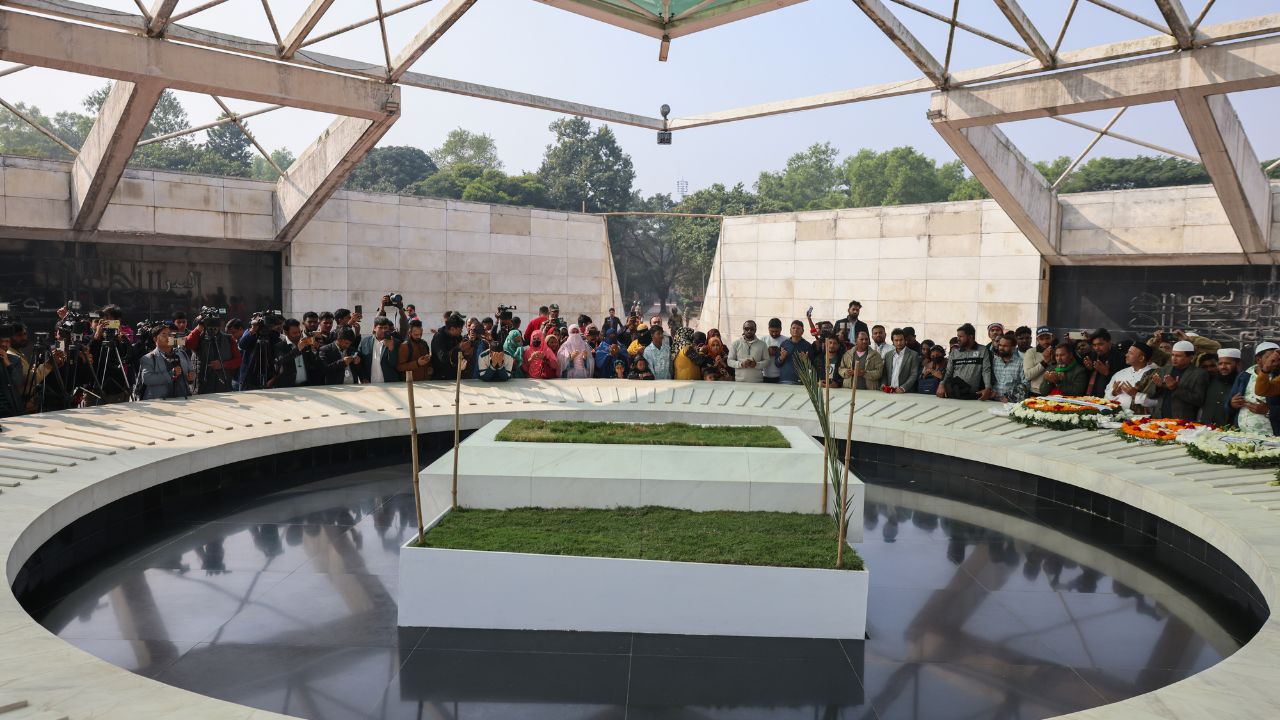

The air around the Sher-e-Bangla Nagar mausoleum complex was not filled with the usual celebratory cheers of New Year’s Day. Instead, it was thick with the scent of roses, the murmur of prayers, and the heavy, collective weight of a nation’s grief.
On Thursday, nearly just twenty-four hours after Khaleda Zia was laid to rest beside her husband late president Ziaur Rahman, the gates to her final resting place were opened to a public that had been waiting in an agonising vigil since the break of dawn.
From the early hours, Bijoy Sarani and its surrounding arteries became rivers of silent mourners. Men and women stood with visible emotional eyes, clutching single stalks of tuberoses or framed photographs draped in black ribbon.
Despite the restoration of traffic at 9am, the crowd remained stationary, held back by security cordons, their eyes fixed on the gates of the mausoleum.
When the gates finally creaked open at noon, the silence broke. The rush toward the grave was not one of chaos, but of desperate, emotional necessity.

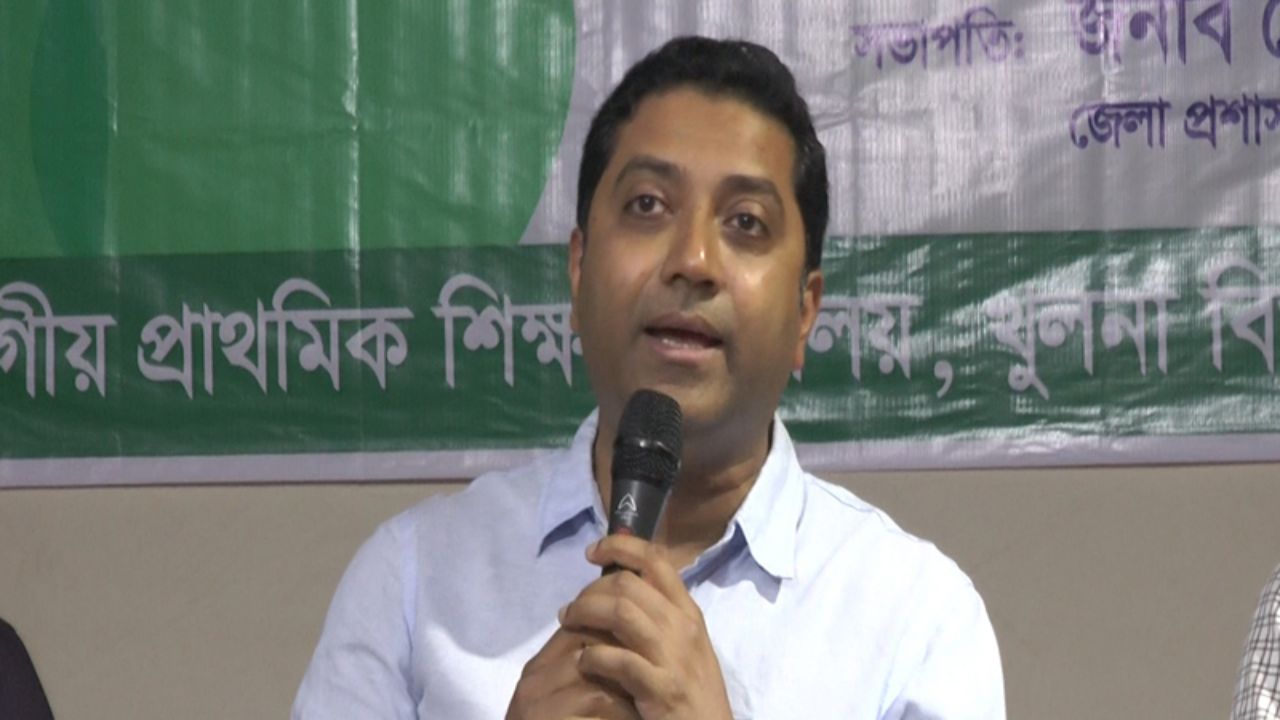
Shahin Talukder, a young activist from Dhaka North Chhatra Dal, stood near the entrance. Having attended the funeral prayers the day before, he felt drawn back to the site.
“Even if I cannot go close, being near her grave brings peace,” Shahin said, looking toward the freshly turned earth. “This soil holds our mother now. Just standing here feels like a final meeting.”
The same sentiment was shared by Ayat Islam, who had waited since morning.



“When we were told we couldn’t enter this morning, it felt unbearable,” he admitted. “We have lost our guardian. This emptiness cannot be filled. No one can replace her.”
The mourners did not just come from the capital, some travelled from the furthest corners of the country, driven by a need to pay their respects.
Mohammad Hujur Abedin, originally from Cox’s Bazar, stood with trembling hands. “She loved this country deeply. Despite her long illness and the opportunities to go elsewhere, she never left it,” he said. “May Allah grant her the highest place in Jannah.”
For Azharuddin Fahim, who travelled from Lakshmipur’s Ramganj, the grief was tinged with a sharp sense of injustice. He reflected on the years of political, legal battles and imprisonment that had weathered the former Prime Minister’s health.
“Years of persecution destroyed her. Without that cruelty, she might still be with us today,” he said softly.
As the afternoon sun began to set, the mausoleum grounds became a tapestry of multi-generational sorrow. Children stood in wide-eyed silence beside parents who were weeping openly. Elderly men, leaning heavily on bamboo canes, bowed their heads in long, silent prayers.
Sultan Mahmud, who travelled from Kurigram, stood among them, reflecting on her choice to remain in Bangladesh until the very end.
“She sacrificed everything for democracy. She never built a life abroad. Her identity was this land.”
Perhaps the most poignant reflections came from the youth of Badda. They stood near the spot where Khaleda Zia used to visit her husband’s grave for decades.
“We used to chant slogans for her whenever she came here to visit Ziaur Rahman’s grave,” one young man recalled, wiping a tear with his sleeve. “Now, she lies here herself. It breaks our hearts.”
As night fell over Sher-e-Bangla Nagar, the crowds showed no sign of thinning. Under the glow of the streetlights, the mausoleum remained a place of quiet whispers and tearful promises—a testament to a leader whose final journey has brought a nation together in a shared, sombre embrace.