


Pakistan talked boycott, criticised the ICC, and then reversed course as the T20 World Cup’s biggest fixture came into focus, with Virat Kohli’s childhood coach Rajkumar Sharma dismissing the entire India match standoff as pure theatre.
The PCB initially took aim at what it called the ICC’s double standards and threatened not to face India in the tournament. That stance did not last long. Financial reality, political pressure, and the scale of the India–Pakistan fixture quickly reshaped the conversation.
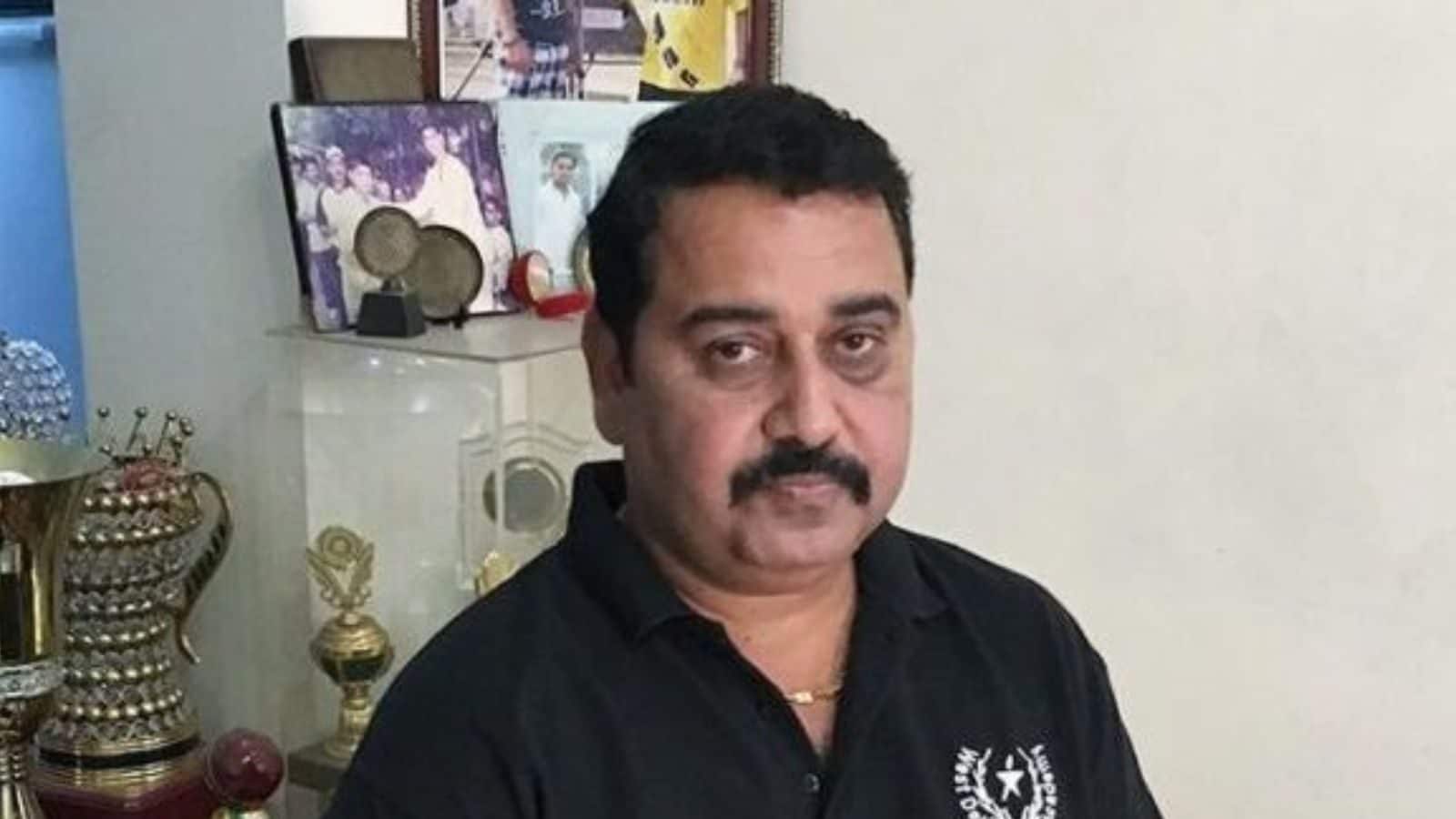
Rajkumar Sharma cut straight through the noise. Speaking to ANI, he said, “This was Pakistan’s usual drama. They supported Bangladesh, then pushed them aside. Now they realise how much they would lose by not playing India. This sort of behaviour is typical of Pakistan.” It was a blunt assessment, and it matched how the episode unfolded.

India vs Pakistan remains the ICC’s most lucrative contest. Broadcasters build schedules around it, sponsors pay premiums for it, and boards rarely walk away from it. Pakistan understood the consequences of a boycott faster than it could sustain the protest.



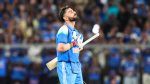
The U-turn arrived on Monday. After meetings in Lahore with the ICC and the Bangladesh Cricket Board, PCB chairman Mohsin Naqvi briefed Prime Minister Shehbaz Sharif. The government then granted permission for Pakistan to face India on 15 February.
The backdrop to the dispute adds another layer. Bangladesh had earlier raised security concerns and asked the ICC to move their World Cup match outside India. The ICC rejected that request, removed Bangladesh from the tournament, and offered the place to Scotland. Pakistan responded by announcing an India boycott in protest, but the stance never looked stable.
During the standoff, Pakistan’s prime minister also held discussions with Sri Lankan President Anura Kumara Dissanayake while engaging with the ICC and other boards. Those talks softened positions, and pragmatism eventually won.