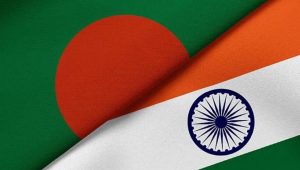



As of this writing, just a few days prior to the operation of representative democracy yet again in Bangladesh, there is both anticipation of the polity being able to deliver the goods to the country’s political existence, as well as building upon it. More than half a century after it had wrested its political independence, however, it continues to struggle with establishing a strong, viable polity to guide it through the travails of a vibrant polity that operates as a matter of course.
And now we are saddled with the latest edition of the polity in the process of operating robustly before, during, and following the process. How well it manages to perform will largely determine the hold of the democratic mindset on Bangladesh’s voting population. And not just for a term or two. Its hold should become repetitive in its ethos (a term that was used as one of persuasion by Aristotle). It has to be ingrained in the people as a matter of course, a kind of behaviour pattern that is easy to talk about, but hard to execute in many people until it becomes a habit almost like an instinctive automaton. Representative democracy admittedly is a difficult habit to acquire as a matter of course, but it is not insurmountable if a healthy political state is to be established as a repetitive phenomenon.
It is not that liberal democracy is a cure-all for all the ills of operational politics, or that it will be free from errors, major and minor operational mistakes, or that it will not face tribulations from quarters who should know better, but abandoning its operation or blaming it for all the ills of representative democracy will not cure politics from various quarters. Democracy is the answer to authoritarianism, a polity that will engulf and subdue the democratic ethos in its gargantuan larder of misrule and human suffering.
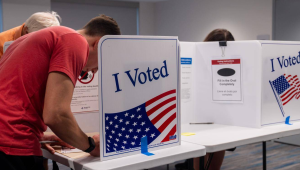
And it can, and does, happen. Just take the case of the United States which is undergoing a turmoil of Donald Trump suggesting changes in the demographic fabric of a country that had leaders like Abraham Lincoln, George Washington, Franklin Roosevelt, James Monroe, Theodore Roosevelt, Barack Obama, Woodrow Wilson, et al. And now the current president has come up with the suggestion in his country’s voting procedures and practices, that experts say, will derail an age-old constitutional practice (if it ain’t broke don’t fix it!). And, notwithstanding bumps on the road to good governance every once in a while, the United States has been able to navigate out of choppy waters most of the time. The point to note here is that at times an undemocratic procedure has been suggested or put in motion, occasionally in the American democratic system, but it has usually prevailed with democracy winning out.
And, if the core of liberal democracy is formally adhered to, then in spite of powerful forces working against it (to usually implement non-democratic/undemocratic programs, more often than not, the democratic ethos will prevail.) To reiterate, the realities of political views, rather than its myths, will have to prevail. And that democratic process will need to be implemented. Political news does not exactly reflect reality, but it helps to scan it and make up one’s mind without coercive pressure applied on it. In the end, it boils down to letting one to make up his/her vote, and then to accept the outcome. Granted, it will contain flaws, including some embarrassingly poor ones, but, in line with the adage of “Rome was not built in a day,” Bangladesh and its people will need to build its polity up into a reliable and robust one, including effecting the upcoming national polls as a viable and nationally reflective one.
The writer is an MALD (Flethcer School of Business and Diplomacy) and PhD (Boston University)