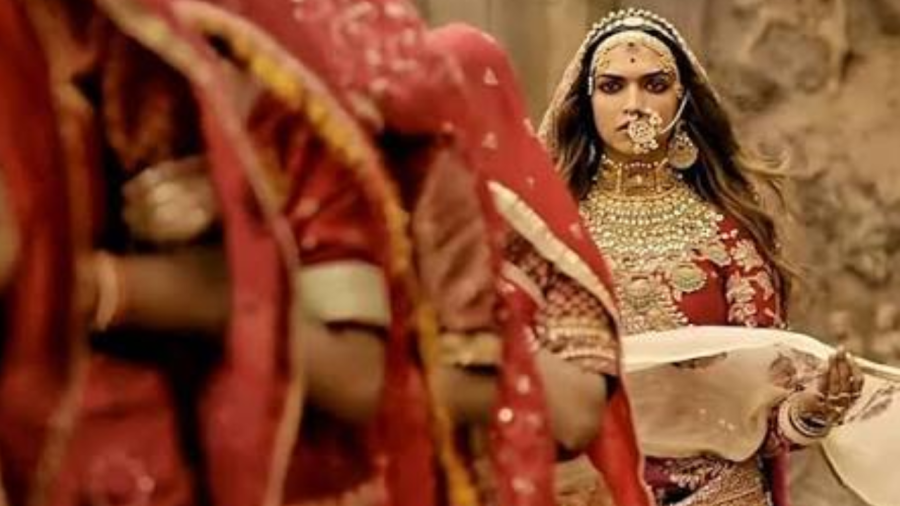

Writer Prakash Kapadia has defended the controversial jauhar sequence in Padmaavat, saying the scene was based on the filmmakers’ research and their understanding of the historical period, writes NDTV.
Kapadia, who co-wrote Sanjay Leela Bhansali’s 2018 period drama, said the team consulted historical material while developing the film.
“We made the film according to our research and what is written in history books,” he told the Hindustan Times.
Addressing criticism of the sequence, Kapadia said viewers could interpret a film in different ways, but he stood by the way the jauhar scene was presented.

“Every person interprets the film differently. What we showed, including the jauhar scene, was the reality of those times; it cannot be changed now,” he said.
He added that the circumstances depicted in the film reflected a “do or die” situation, referring to Rajput warriors who went into battle knowing they might not return.




Kapadia’s remarks came after actor Swara Bhasker recently questioned the portrayal of jauhar in Padmaavat.
The criticism has revived debate over the creative choices made by Bhansali and his team.
The writer also said a viewer’s state of mind could influence how they respond to a film. He recalled that Padmaavat faced protests and objections even before its release in 2018.
“People had raised objections even before watching the film and had protested on the streets. The same conversation is continuing years later, so what can I say? Let people say what they want to,” he said.
Kapadia explained that the reference to kesariya was connected to the Rajput tradition of warriors wearing saffron before entering battles from which they did not expect to return.
Padmaavat starred Deepika Padukone as Rani Padmavati, Shahid Kapoor as Maharawal Ratan Singh and Ranveer Singh as Alauddin Khilji.
The film was inspired by Malik Muhammad Jayasi’s 16th-century epic poem Padmavat.